Inishvickillane, Atlantic island in County Kerry, Ireland
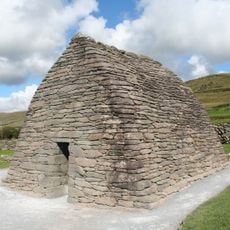
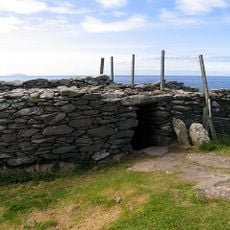
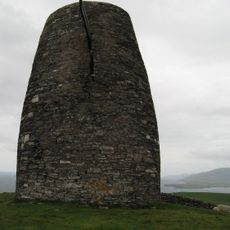
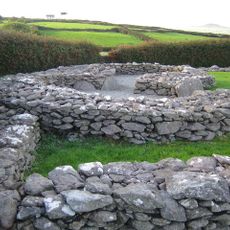
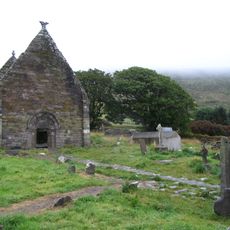
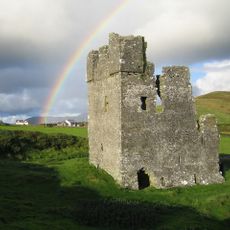
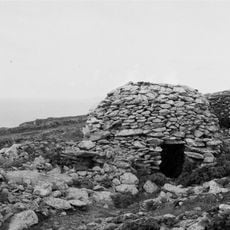
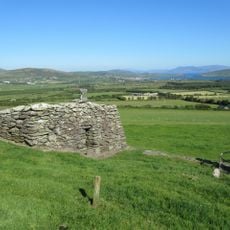
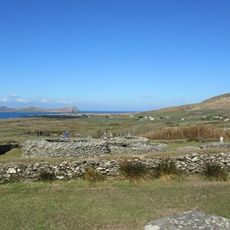
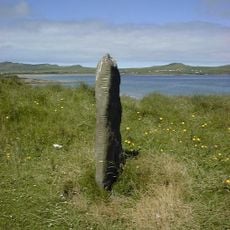
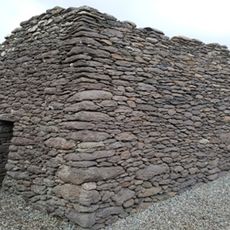
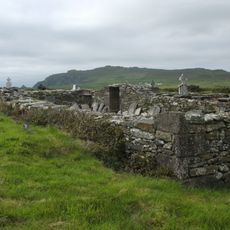
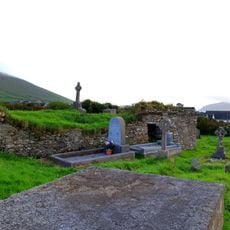
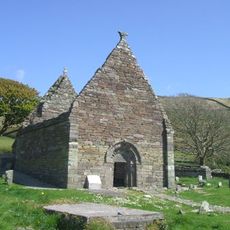
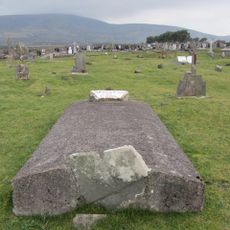
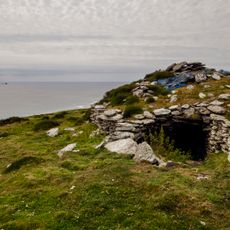
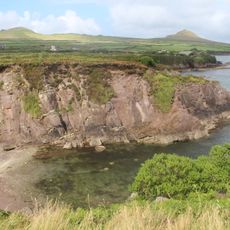
Inishvickillane is a rocky island and mountain in County Kerry, part of the Blasket Islands group off the west coast of Ireland, rising to around 135 meters. The terrain holds the remains of an early stone oratory, an old graveyard, and traces of former stone shelters.
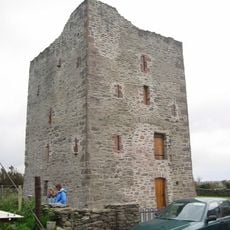
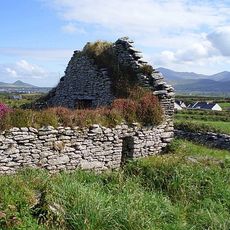
Inishvickillane was intermittently inhabited in the 19th and early 20th centuries by one or more families; the Ó Dalaigh family of Dún Chaoin left a stone cabin with lattice windows. In 1974 Charles J. Haughey bought the island, and in 1980 he introduced a herd of red deer. In 1989, as Taoiseach, he proposed making the Blaskets a national park, a plan struck down as unconstitutional in 1998.
Blasket islanders called it "The Inis", and the name Inis Mhic Aoibhleáin means "Mac Killane's island". The Ó Dalaigh family of Dún Chaoin owned it, and members still cross from Dún Chaoin in summer to graze sheep. Robin Flower recorded islanders' claim that the soil was too rich for potatoes but good for cabbage and onions, and that tobacco was once grown there.
Inishvickillane is privately owned and uninhabited, with no ferry service, landing stage or facilities for visitors; the descriptions of tours from Dingle or Ventry do not apply to this island. The Ó Dalaigh family of Dún Chaoin still crosses in summer to graze sheep, and Haughey introduced red deer in 1980, so landings require the owner's permission. The ruined oratory, graveyard, leacht and holy well stand at the south-east end.
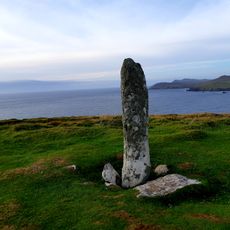
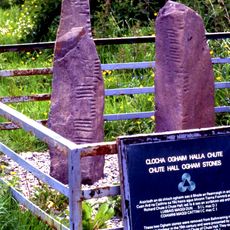
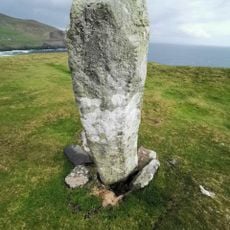
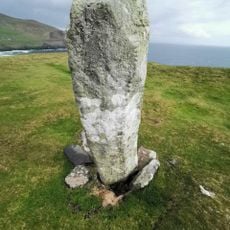
An Ogham stone found at the oratory site in 1902 is one of the oldest examples of Irish writing and is now kept at Trinity College Dublin. Its discovery on such a remote island suggests the site once had a reach well beyond its isolated position.
The community of curious travelers
AroundUs brings together thousands of curated places, local tips, and hidden gems, enriched daily by 93,901 contributors worldwide.