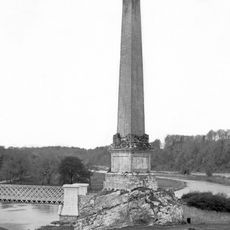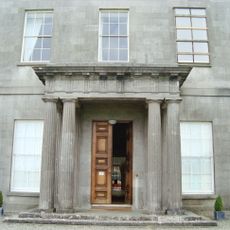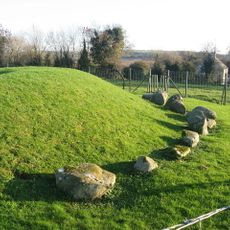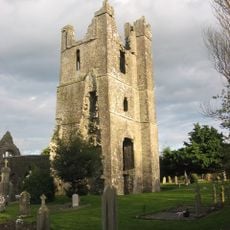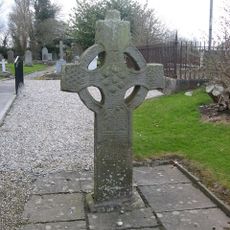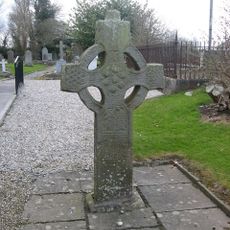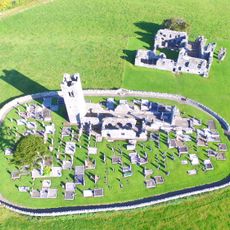
Dowth, Archaeological site in Brú na Bóinne, Ireland.
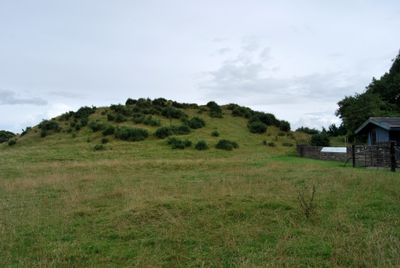
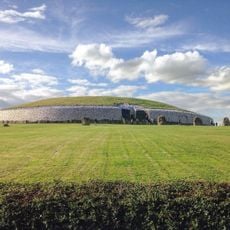
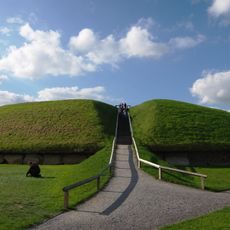
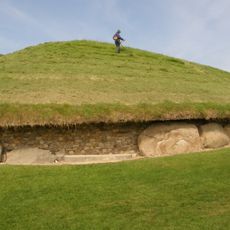
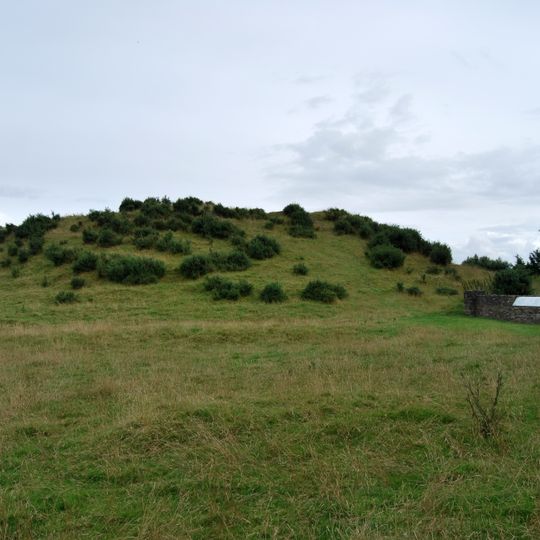
Dowth is a megalithic structure in the Brú na Bóinne region with a large circular mound covering inner chambers below. A central passage connects different internal spaces, and the stone walls display geometric patterns carved long ago.
This site was built in the Stone Age roughly 5000 years ago and served as a burial place for Neolithic people. Its construction shows that these communities possessed impressive technical knowledge and could organize coordinated group effort.
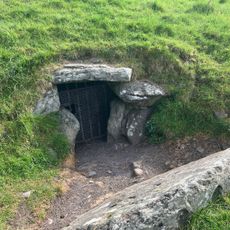
The Irish name Dubhadh means 'darkening', from a Dindsenchas tale in which King Bresal Bó-Díbad forces the men of Ireland to build a tower to heaven in one day; his sister makes the sun stand still, the spell breaks at his incest, and the sun sets. The story is linked to solstice alignments at Brú na Bóinne and to 2020 DNA analysis finding a Newgrange man whose parents were likely siblings. Access to the chambers is restricted and grilles guard the decorated stones.
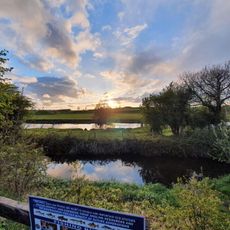
The two passage chambers, Dowth North and Dowth South, are closed to the public and have been since 2007; metal grilles guard the entrances, so no interior tour can be booked. Visitors view the grass-covered mound and its kerbstones from the field, where the 1847 excavation crater is still visible. The mound stands near the River Boyne in County Meath, and the Brú na Bóinne visitor centre on the south bank serves Newgrange and Knowth, not Dowth.
The entrance passage has a rare astronomical alignment that allows sunlight to penetrate deep inside at specific times of year. Few visitors realize this demonstrates how precisely the builders understood the movements of the sky.
The community of curious travelers
AroundUs brings together thousands of curated places, local tips, and hidden gems, enriched daily by 93,147 contributors worldwide.