Mamshit, Archaeological site in Negev, Israel
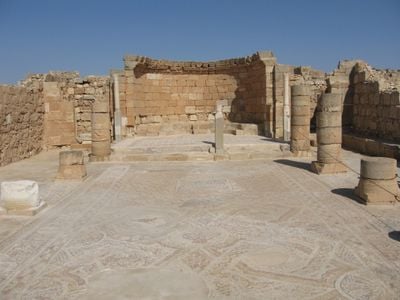
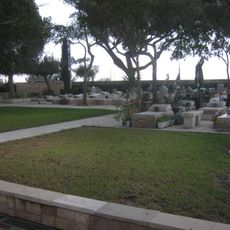
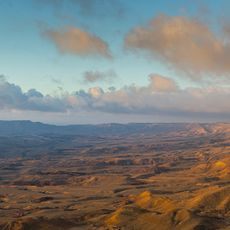
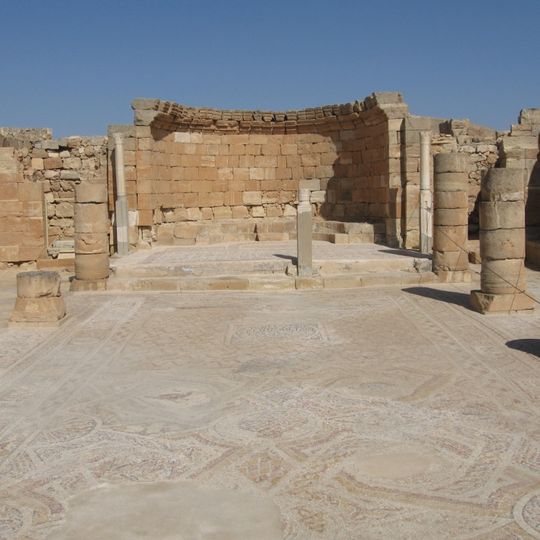
Mamshit is an ancient Nabataean city in the Negev desert, in southern Israel, where streets, houses, churches, and water cisterns are still visible above ground. The buildings were constructed from local limestone and are unusually well standing compared to other sites in the region.
The city was founded in the 1st century BCE by the Nabataeans as a stop on the trade route between Petra and Gaza. After Roman and later Byzantine rule, it continued to grow before being abandoned in the early medieval period.
Mamshit is part of the Incense Route, recognized as a UNESCO World Heritage Site, which means visiting it connects the traveler to a chain of desert cities across the Negev. The mosaic floors inside the churches show geometric patterns where Nabataean craft and Byzantine style meet in a way that is still visible today.
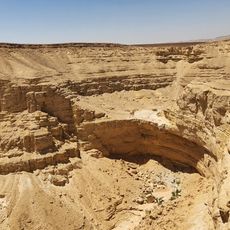
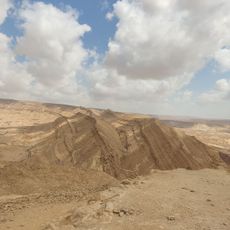
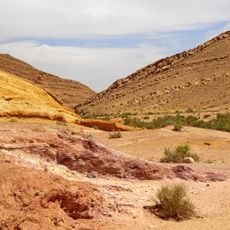
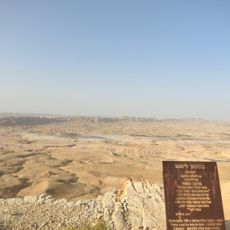
The site is in open desert terrain, so bringing enough water and sun protection is strongly advised, especially in summer. Marked paths lead through the main areas of the ruins and are manageable for most visitors.
The largest silver coin hoard ever found in Israel was discovered here, with around 10,500 coins weighing about 160 pounds (72 kilograms) in total. This suggests the city was not just a transit point but also a place where considerable wealth was stored.
The community of curious travelers
AroundUs brings together thousands of curated places, local tips, and hidden gems, enriched daily by 91,193 contributors worldwide.