Caesarea Philippi, Archaeological site in Golan Heights, Israel
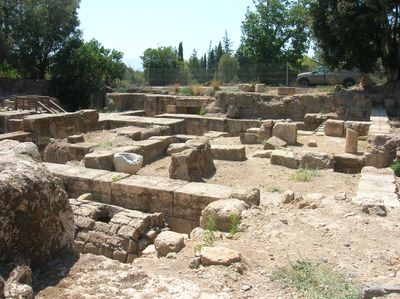
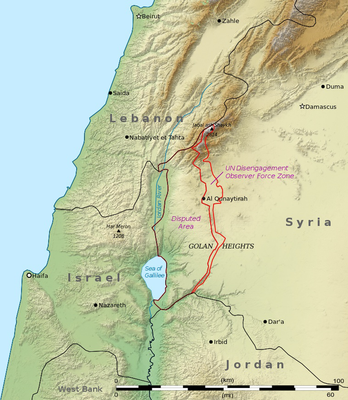
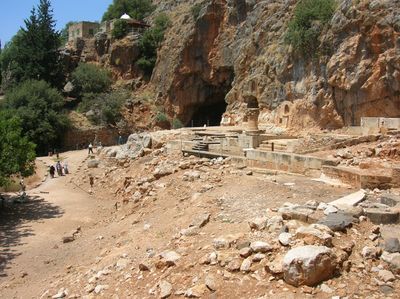
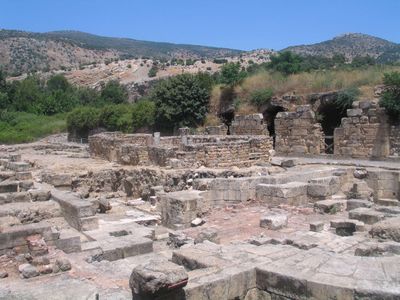
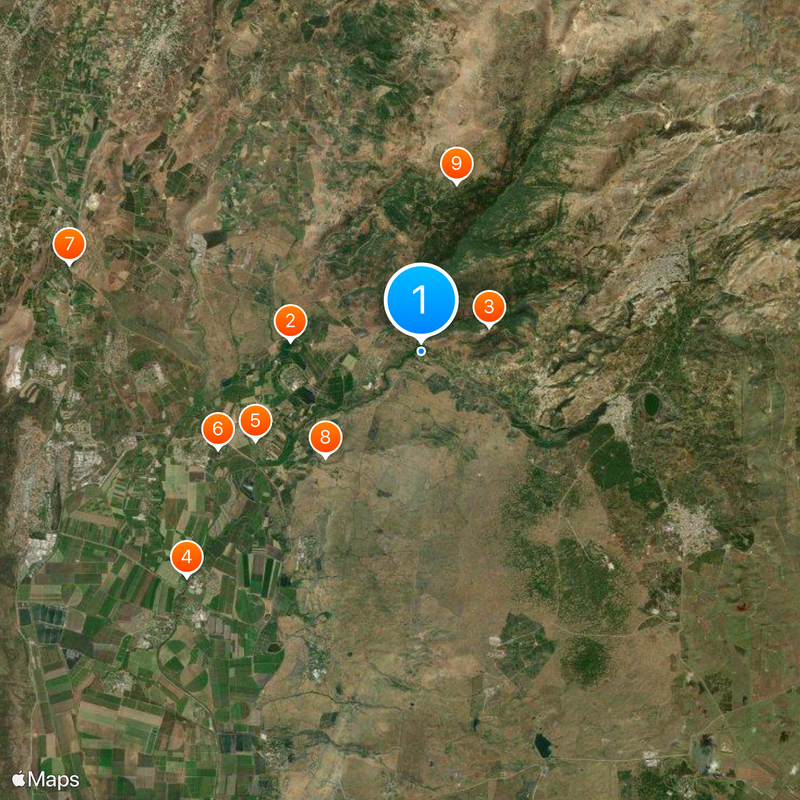
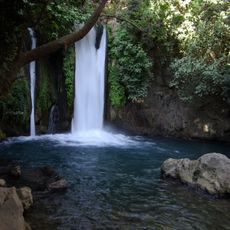
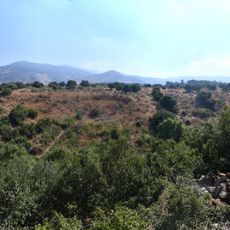
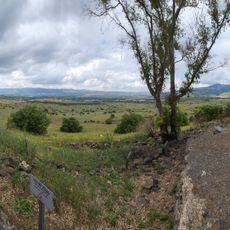
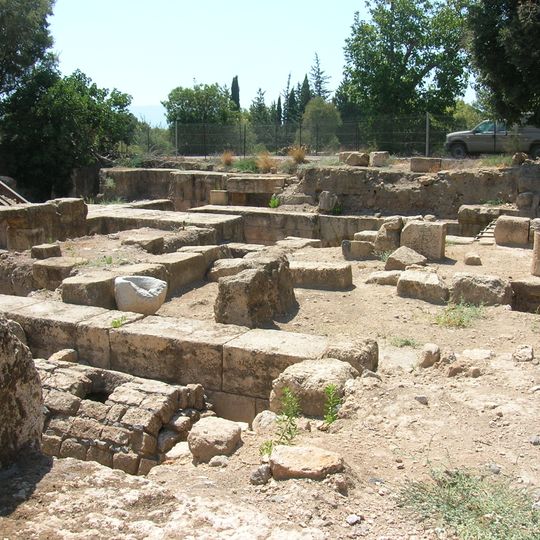
Caesarea Philippi is an archaeological site in the Golan Heights, Israel, spread across the southwestern flank of Mount Hermon. A tall limestone cliff displays numerous niches carved into the rock that once held religious statues and dedicatory inscriptions, while several foundations of ancient buildings lie scattered across the grounds.
After Alexander the Great conquered the region in 332 BCE, the city developed into a Hellenistic center with temples dedicated to the god Pan. Later the site was expanded under Roman rule by Herod Philip and renamed to honor the emperor, before Byzantine and Islamic periods brought further changes.
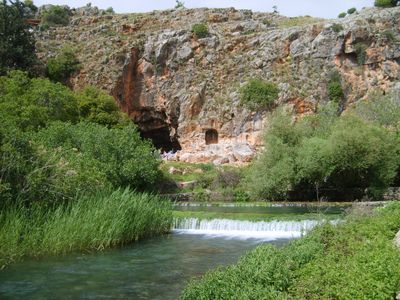
The name Caesarea Philippi honors both Emperor Augustus and Herod Philip, the tetrarch who expanded the settlement in 3 BCE. Visitors today see a cave that has been revered as a sacred place since Hellenistic times, where water flows from a natural spring and recalls ancient ritual offerings.
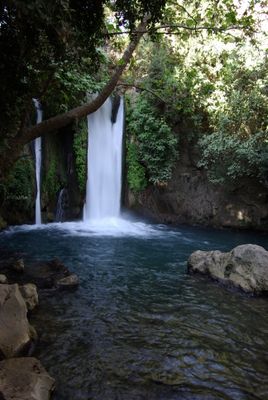
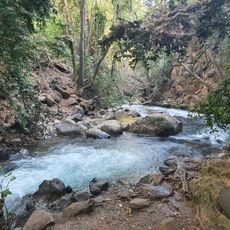
The site lies within a national park with marked paths leading to the ruins, waterfall, and cave. Comfortable shoes are advisable as some sections may be uneven or wet, especially near the spring.
Herod Agrippa II built a palace here and renamed the settlement Neronias in 61 CE as a tribute to Emperor Nero. The remains of this palace are now visible among the other ruins and show the political importance of the place during that era.
The community of curious travelers
AroundUs brings together thousands of curated places, local tips, and hidden gems, enriched daily by 91,508 contributors worldwide.