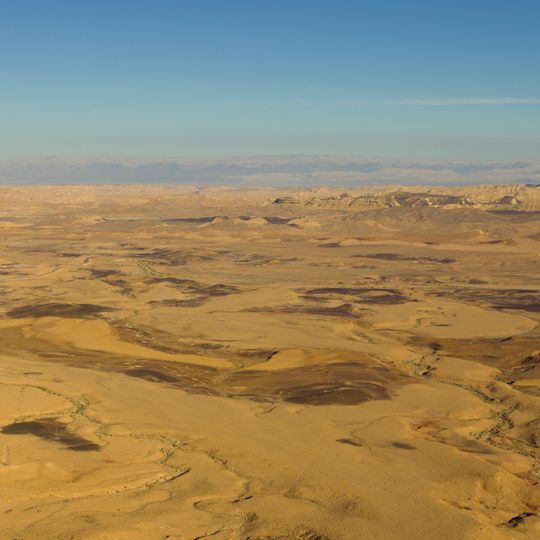
Makhtesh Ramon National Park, Geological depression in Negev Desert, Israel
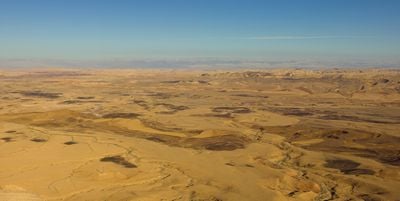
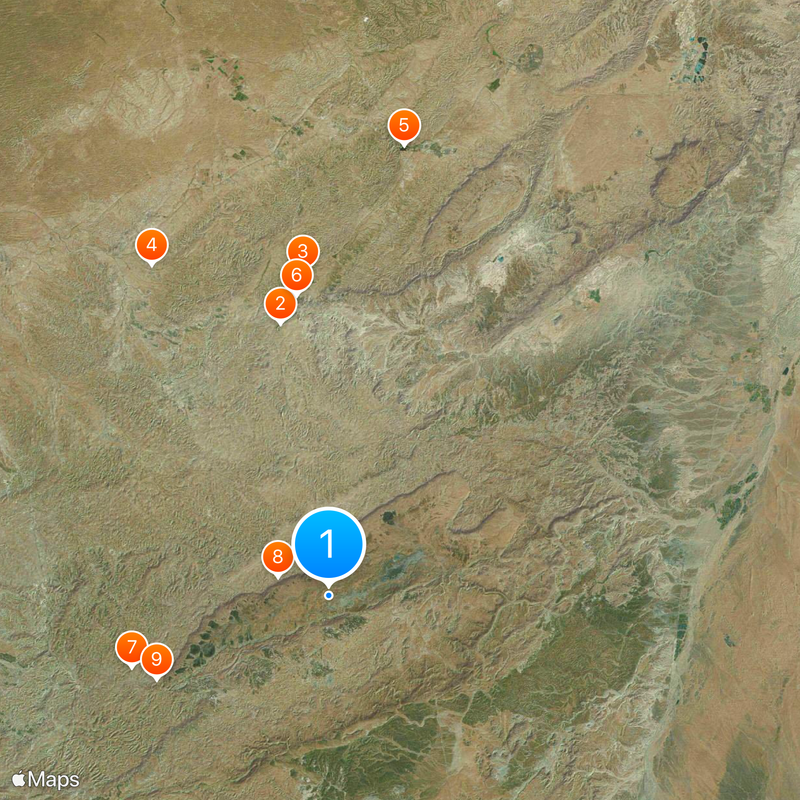
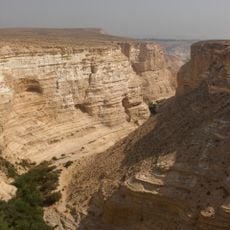
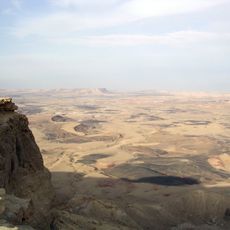
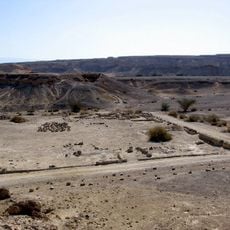
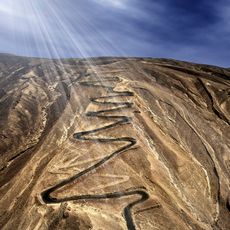
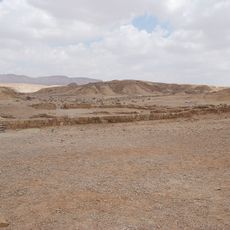
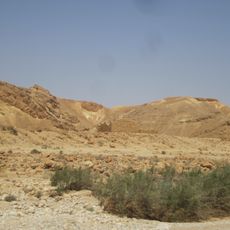
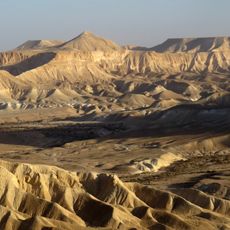
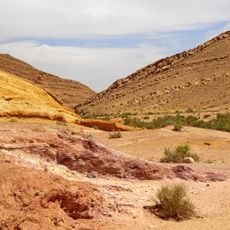
Makhtesh Ramon is a geological depression in the Negev Desert of Israel, stretching 40 kilometers (25 miles) and reaching 500 meters (1,640 feet) at its deepest point. Multiple sedimentary layers of sandstone, limestone, and volcanic rock form colored bands along the inner walls, while the flat floor is crossed by dry riverbeds and gravel fields.
The depression formed roughly 220 million years ago through tectonic uplift that raised the surrounding rock, while water carved away softer layers at the center. After the harder cap rock broke through, erosion widened the inner space continuously over millions of years.
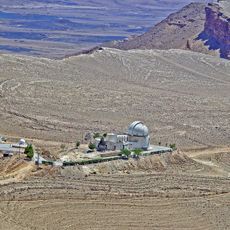
The name Ramon comes from an ancient word for thunderstorm, reflecting the water forces that shaped the ground. Visitors often see scientists conducting field studies on site, and panels at certain viewpoints explain which minerals appear in the exposed rock layers.
A visit works best in the morning or evening, when the heat drops and the light shows the colored layers most clearly. Several hiking routes lead from the rim down to the floor, and visitors need plenty of water and head protection for the dry air and strong sun.
The area holds certification as an International Dark Sky Park because no artificial lighting influences the night and the sky here remains exceptionally clear. Observers can see thousands of stars, the Milky Way, and occasional meteor showers with the naked eye.
The community of curious travelers
AroundUs brings together thousands of curated places, local tips, and hidden gems, enriched daily by 90,979 contributors worldwide.