Metsad Saharonim, Archaeological site in Negev Desert, Israel
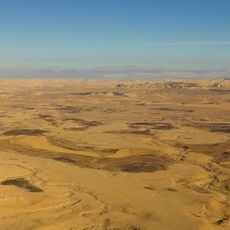
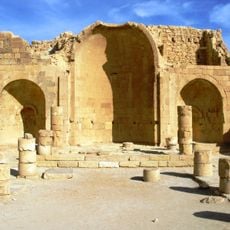
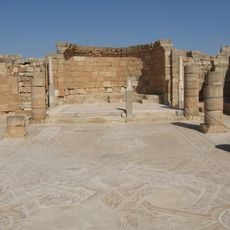
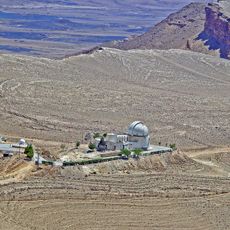
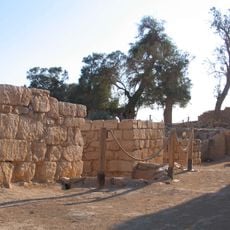
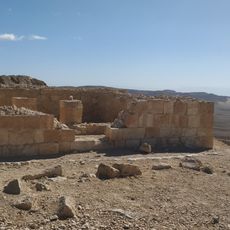
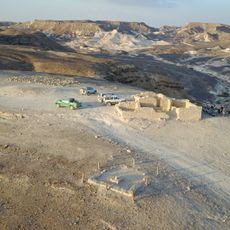
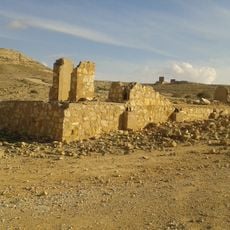
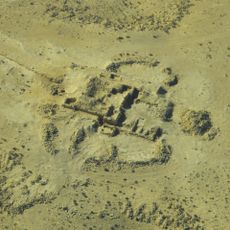
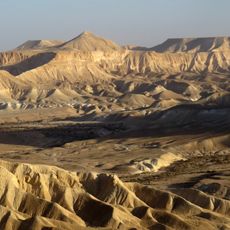
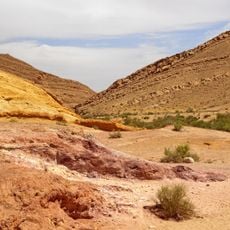
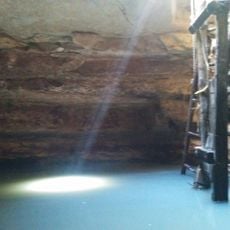
Metsad Saharonim is a Nabataean fortress on the Incense Route in the middle of the Ramon Crater, a square structure measuring 42 metres on each side. Its central courtyard is ringed by workshops, bathhouses and an oven. The site was chosen for its proximity to the Ein Saharonim spring.
Metsad Saharonim was likely active between the 1st and 3rd centuries CE, serving the Nabataean incense route near the Ein Saharonim spring. The German archaeologist Fritz Frank first investigated the site in 1934; Bedouin told him the name Ksar Mahala, and he mistakenly linked it to the Roman station Moahila in the Notitia Dignitatum. The site was excavated again in 1965, and Rudolf Cohen led digs in 1982–83 that found Nabataean coins of kings Haretat IV and Rabbel II and Roman coins of Antoninus Pius, Commodus and Caracalla.
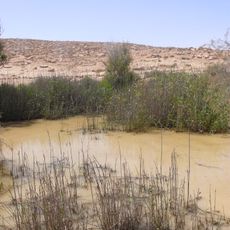
The name Saharonim comes from the trailing Saharon plant that grows beside the spring. Excavations led by Rudolf Cohen in 1982–83 found Nabataean coins of kings Hareth IV and Rabbel II, Roman coins of Antoninus Pius, Commodus and Caracalla, cooking vessels and many camel bones, traces of the caravans that stopped here.
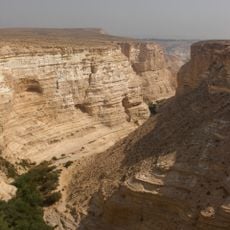
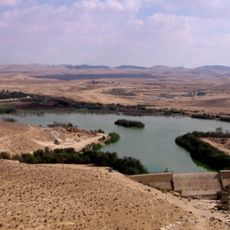
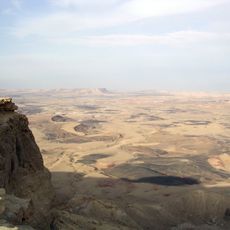
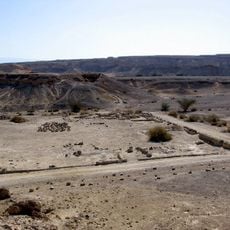
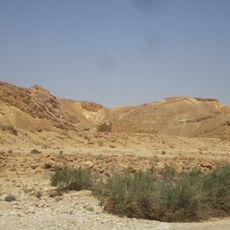
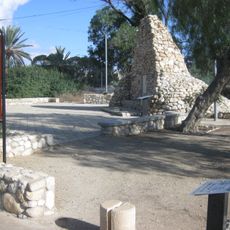
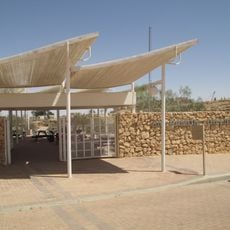
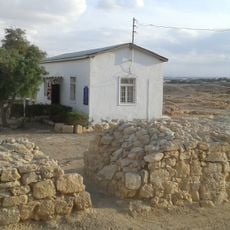
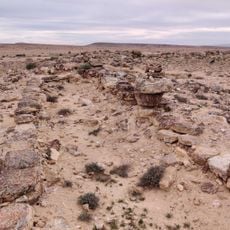
The site lies inside the Ramon Crater, about 13 km from Mitzpe Ramon, and today has a day parking area. The ground is rocky and uneven, so wear sturdy shoes and carry water; the spring of Ein Saharonim sits nearby.
The Arabic name recorded by Fritz Frank in 1934, Qasr Mahala, led him to mistake the site for the Roman station Moahila in the Notitia Dignitatum; scholars now place that station nearer Eilat. Excavations in 1982–83 under Rudolf Cohen also turned up many camel bones and cooking pots.
The community of curious travelers
AroundUs brings together thousands of curated places, local tips, and hidden gems, enriched daily by 94,481 contributors worldwide.