Usha, Archaeological site in Northern Israel.
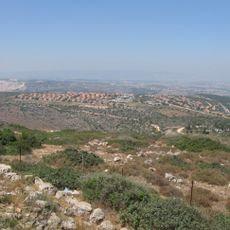
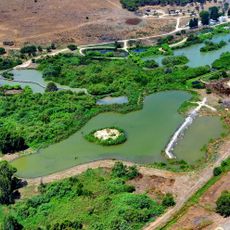
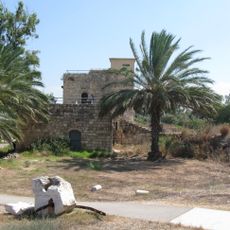
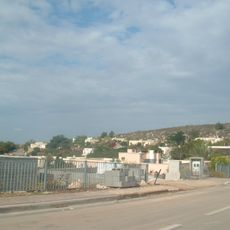
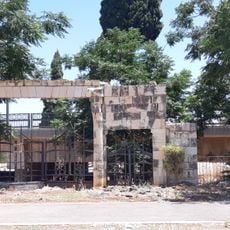
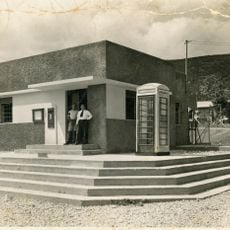
Usha is an archaeological site in the western Galilee, near Kiryat Ata and the forest of Kiryat Ata. Excavations since 2005 have uncovered public buildings, possibly a synagogue, private houses, a double winepress, an oil press, a mikveh and water cisterns. The national park also contains remains of the Arab village of Hawsha and a maqam dedicated to Nabi Hushan.
The settlement emerged as a Jewish scholarly center around 135 CE when the Sanhedrin relocated there following the Bar Kokhba revolt. This shift made the place important for preserving Jewish traditions during a difficult period.
Usha's Hebrew name survived in Hawsha, the Arab village built on its ruins until 1948; the nearby kibbutz, founded in 1937, revived it. Excavations since 2005 uncovered two plastered mikvehs cut into rock beside wine and olive presses, used from the 2nd to the 6th century so workers could purify before producing kosher oil and wine. Finds of pale blue and green glass fragments and raw glass lumps point to glassblowing, linked by researchers to Rabbi Isaac Nappaha, whose name derives from the Hebrew root for blowing.
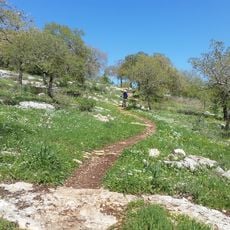
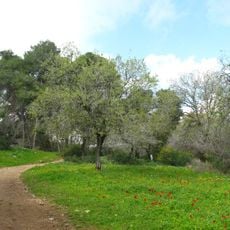
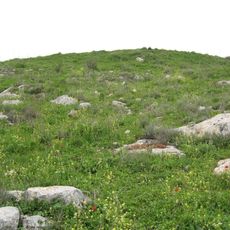
The site lies within the 263-dunam Usha Ancient National Park, inside the Kiryat Ata forest, near the Hawsha village ruins and the maqam of Nabi Hushan. It is part of the Sanhedrin Trail, marked with stones bearing quotes from the Mishnah and Talmud. The ground is uneven, with rock-cut winepresses, a mikveh and water cisterns.
In 2020, a 2,000-year-old lamp was found at the site. Excavations since 2005, run by the Israel Antiquities Authority with the Nitzanei Zevulun school, also uncovered a double winepress, an oil press, a mikveh and water cisterns.
The community of curious travelers
AroundUs brings together thousands of curated places, local tips, and hidden gems, enriched daily by 93,669 contributors worldwide.