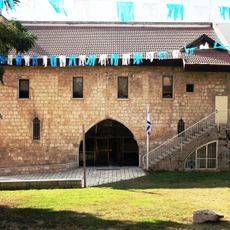
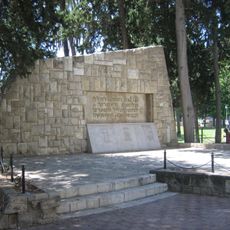
Tell Keisan, Archaeological site in Galilee region, Israel
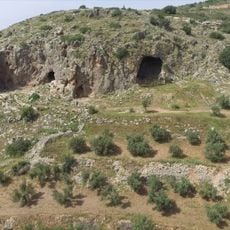
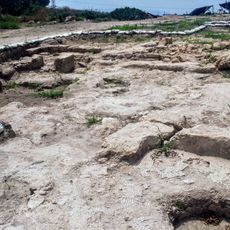
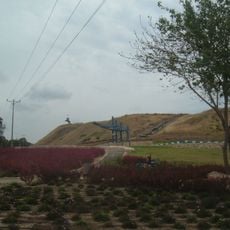
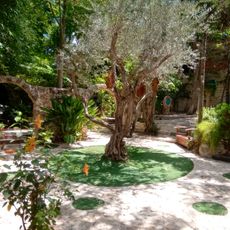
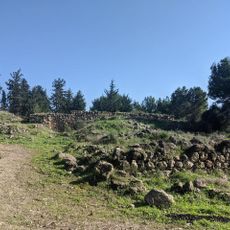
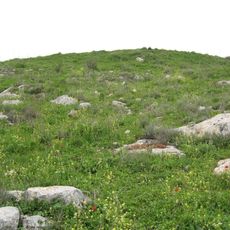
Tell Keisan is a mound of about 15 acres rising 25 meters above the plain, 8 km from the Mediterranean between Haifa and Akko. Excavations have identified 16 settlement layers from the Early Bronze Age to the Hellenistic period, including a glacis and stone wall from the Middle Bronze Age. A Byzantine church was found on the summit, and part of the tell is now a cultivated olive grove.
Tell Keisan was fortified with a glacis and stone wall in the Early and Middle Bronze Ages, then shrank and suffered destruction around the early 12th century BCE. It was rebuilt in the second half of the 11th century, possibly as a Tyrian enclave, and destroyed again in the 8th century. After Neo-Assyrian reoccupation in the 7th century, it was resettled in the Persian and Hellenistic periods and abandoned in the 2nd century BCE.
The artifacts point to intensive trading relationships, especially with the eastern Mediterranean. Silver hoards and transport vessels show this place was an important hub for goods exchange.
The place is close enough to the coast to reach easily and is partly integrated into an active olive grove. Visitors should have realistic expectations since remains are spread across the area and there is no extensive infrastructure.
An Assyrian cuneiform tablet found here shows unexpected connections to Mesopotamian empires. This inscription suggests communication reached much farther than previously thought.
The community of curious travelers
AroundUs brings together thousands of curated places, local tips, and hidden gems, enriched daily by 93,683 contributors worldwide.