Karach Ruins, Archaeological site on Mount Carmel, Israel
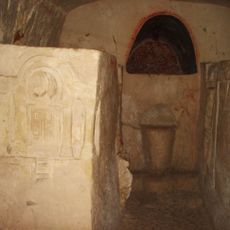
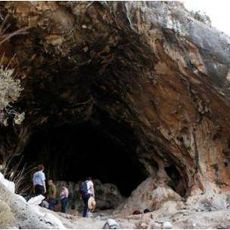
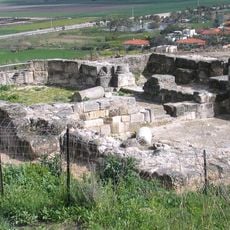
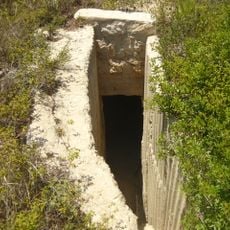
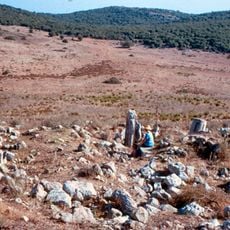
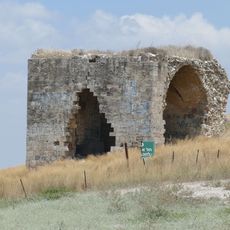
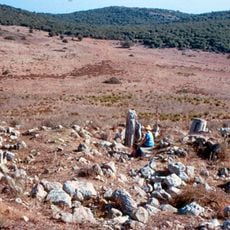
Karach Ruins (Hurvat Karach, Arabic Khirbat al-Karak) is an unexcavated settlement site on Mount Carmel near Keren HaCarmel, dated to the 2nd–6th centuries CE. Its remains include many water cisterns dug to offset the lack of springs, a terraced agricultural system, an oil press, a winepress, burial caves, plastered reservoirs and a local quarry. Pottery shards, ancient glass and even mosaics lie on the surface.
The ruins are dated to the 2nd–6th centuries CE, spanning the Late Roman and Byzantine periods. According to the Hebrew article, Jews expelled from Judea by the Romans after the Great Revolt may have settled here and lived by farming and herding. No synagogue has been found, but similar nearby sites with synagogues support the identification as a Jewish settlement.
The Arabic name Khirbat al-Karak and the Hebrew Hurbat Karach both mean "ruin of the Karak". The site has never been excavated, so pottery shards, ancient glass and even mosaics lie on the surface. Its residents lived by farming and herding, and the many cisterns they cut were needed because the Carmel ridge has few springs and little rainfall.
The site is best explored wearing comfortable shoes as the ground is uneven and rocky throughout. Bring plenty of water, especially on warm days, and consider visiting early in the morning or late afternoon when the light is gentler and temperatures are cooler.
The site has never been excavated, yet pottery shards, ancient glass and even mosaics lie on the surface among the ruins. The settlement is dated to the 2nd–6th centuries CE, and its many cisterns were dug because the Carmel ridge has few springs and cracked soil holds little rain.
The community of curious travelers
AroundUs brings together thousands of curated places, local tips, and hidden gems, enriched daily by 94,456 contributors worldwide.