Raqefet Cave, Archaeological cave in Mount Carmel, Israel
Raqefet Cave is a limestone cave on Mount Carmel that extends roughly fifty meters into the hillside, with several natural chambers inside. It contains the remains of about thirty burials along with stone tools and various artifacts from ancient times.
The site was first studied scientifically in the 1950s and revealed human settlements from the Middle Paleolithic period. The most significant findings date to the Natufian culture around thirteen thousand years ago, marking an important transition in human history.
The cave's name, Raqefet, is Hebrew for cyclamen, the flower genus. Excavations found impressions of stems and leaves in a thin mud layer lining four graves, plus phytoliths, interpreted as plant bedding laid down before burial. Judean sage and other flowering plants were identified, and a 2020 study described an incised stone slab whose figure is read as a person dancing.
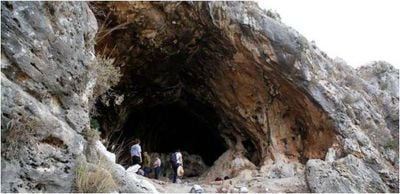
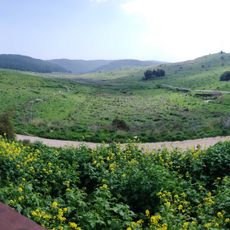
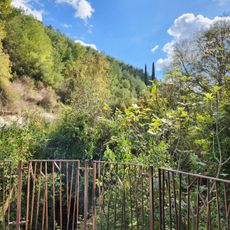
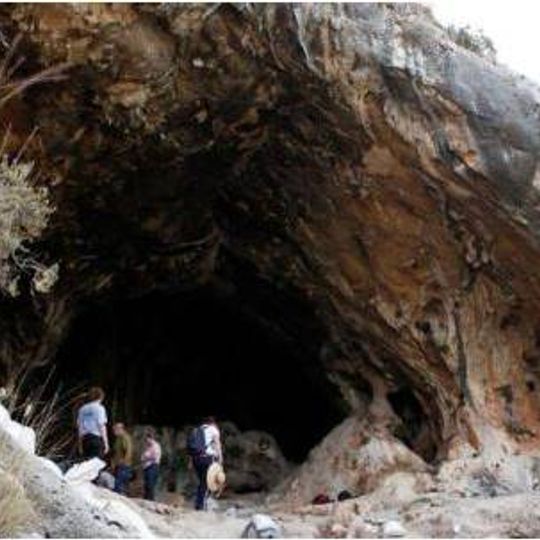
Raqefet Cave lies on the southeastern side of Mount Carmel, along Wadi Raqefet, and is reached on foot from the wadi below; the entrance is a wide, irregular arch in rough, layered rock with an overhanging roof. The interior is an archaeological excavation area, so access is not guaranteed and the ground is uneven.
The cave holds rare evidence of ancient beer brewing, showing that early inhabitants had developed sophisticated food production techniques. Additionally, the dead were laid on beds of fragrant flowers, indicating a deep connection to the natural world.
The community of curious travelers
AroundUs brings together thousands of curated places, local tips, and hidden gems, enriched daily by 92,638 contributors worldwide.