Tel Yokneam, Archaeological site in Megiddo Regional Council, Israel
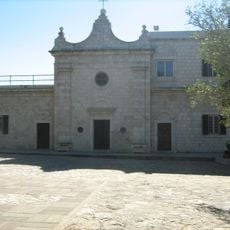
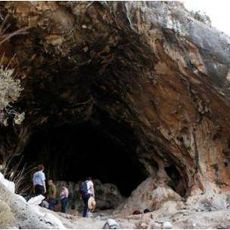
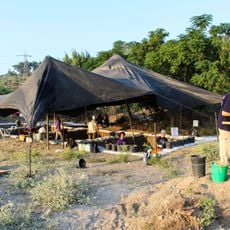
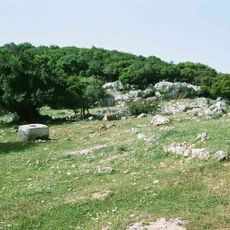
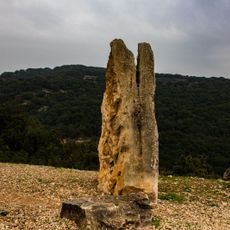
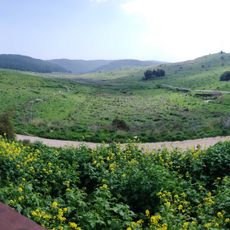
Tel Yokneam is a steep-sided tell of about 40 dunams rising 60 m in the western Jezreel Valley, in the northern part of Yokneam Illit. It has three parts: a lower terrace in the north, an upper terrace in the centre, and an acropolis at the southwestern end. Excavations by Amnon Ben-Tor from 1977 to 1988 uncovered Middle Bronze Age rock-cut tombs, a 3 m thick wall with a tower, and an Iron Age olive-oil press called the "Oil House".
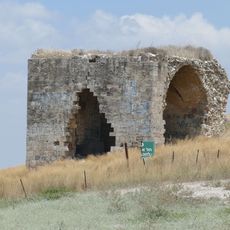
Tel Yokneam was occupied, with brief interruptions, for about 4,000 years, from the Middle Bronze Age to the Ottoman period. It appears in Egyptian sources as a city conquered by Pharaoh Thutmose III, and the Hebrew Bible names it among Joshua's conquests and as a Levite town. The Crusaders called it Caymont and made it the centre of the smallest lordship of the Kingdom of Jerusalem; the Mamluks rebuilt it in the 14th century, and an 18th-century fortress was later abandoned.
The Arabic name Tell Qamun, still used in the 19th century, is a corruption of the Hebrew Yokneam. Crusaders called the site Cain Mons, "Cain's Mountain", from a legend that Cain was killed there by his descendant Lamech; this became Caymont, the seat of the smallest lordship of the Kingdom of Jerusalem.
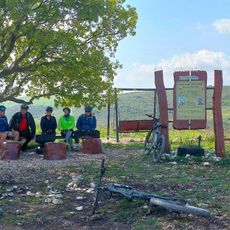
Access is through marked trails with viewpoints overlooking the Megiddo Valley below. Wear sturdy shoes and bring sun protection, as the mound is exposed with little shade available.
The site's Arabic name, Tell Qamun, probably comes from the Hebrew Yokneam. Crusaders turned it into Caymont, or "Cain's Mountain", from a legend that Cain was killed there by his descendant Lamech. For a time Caymont was the smallest lordship of the Kingdom of Jerusalem.
The community of curious travelers
AroundUs brings together thousands of curated places, local tips, and hidden gems, enriched daily by 92,641 contributors worldwide.