Manot Cave, Archaeological cave in Western Galilee, Israel
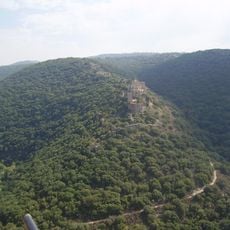
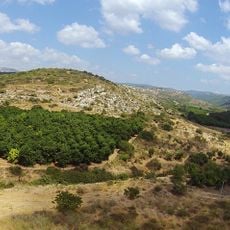
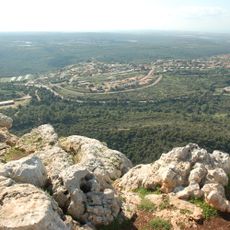
Manot Cave is an archaeological site in Western Galilee with interconnected lower chambers running north to south. The cavern displays varying widths and contains layered deposits that remained sealed and unchanged for millennia.
Manot Cave was sealed by rockfalls and active stalagmites at its western entrance for at least 15,000 years until a bulldozer broke open its roof during construction work in 2008. A survey by Hebrew University's Cave Research Unit recovered a partial modern-human skullcap, Manot 1, from a rock shelf in the northern chamber; uranium–thorium dating of its calcitic crust gave 54,700 years, and the find was published in Nature in 2015. Full excavation began in 2010.
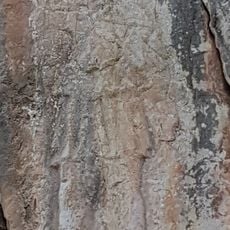
The cave's name comes from Moshav Manot, the Western Galilee community where it lies. In the dark inner hall, excavators found a rock carved with flint tools to resemble a tortoise shell; mineral crust inside the grooves dates to 37,000–35,000 years ago, the Aurignacian occupation. Ash particles in nearby deposits suggest fires were lit there for light and heat.
Visiting the cave requires prior arrangement with the Israel Antiquities Authority, as it remains an active research location. Access availability may vary depending on current excavation work, so advance planning is necessary.
In the dark inner hall, excavators found a rock carved with flint tools to resemble a tortoise shell; crust inside the grooves dates to 37,000–35,000 years ago, when Aurignacian groups used the chamber. Ash particles in nearby deposits and acoustic tests suggest fires and gatherings of a large group.
The community of curious travelers
AroundUs brings together thousands of curated places, local tips, and hidden gems, enriched daily by 93,308 contributors worldwide.