Chittorgarh district, Administrative district in southeastern Rajasthan, India
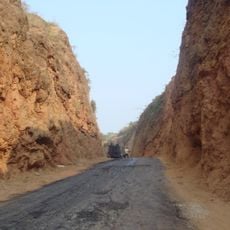
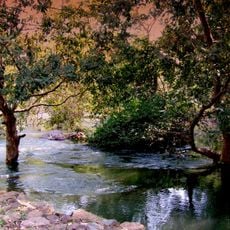
Chittorgarh district spans southeastern Rajasthan with varied topography including hills, river valleys, and farmland distributed across thousands of square kilometers. The landscape transitions from irrigated agricultural areas to drier upland regions with different vegetation patterns.
The district was formed in 1948 when several princely territories merged under Indian administration following independence. This consolidation of Mewar, Pratabgarh, Tonk, and Jhalawar regions created the present-day administrative boundaries.
Local artisans throughout the district practice traditional handloom weaving and pottery, skills that have been passed down through families for generations. You can see these crafts in village markets and homes as daily work rather than tourist attractions.
Two national highways and a major railway junction connect the district to other regions, making travel relatively straightforward. Base yourself near transportation hubs if you plan to explore different areas within the district.
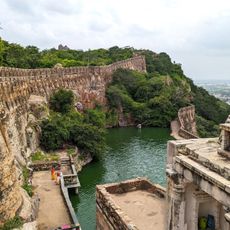
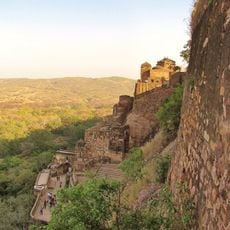
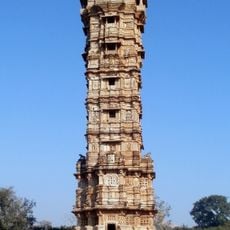
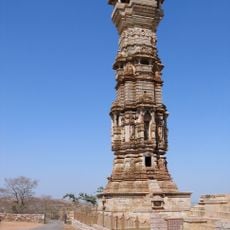
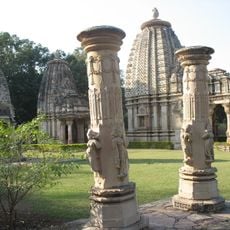
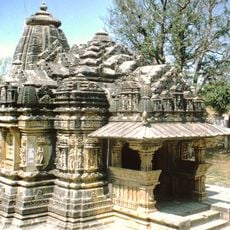
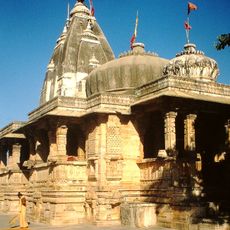
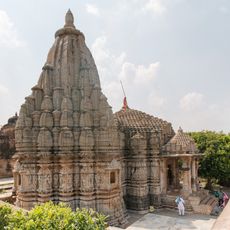
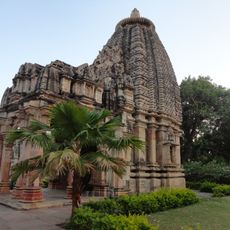
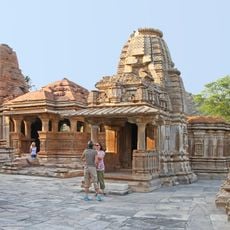
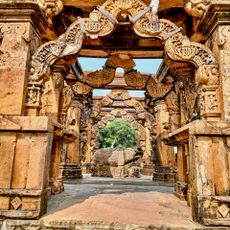
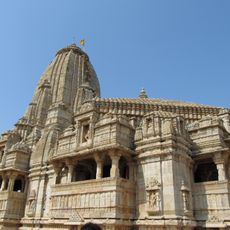
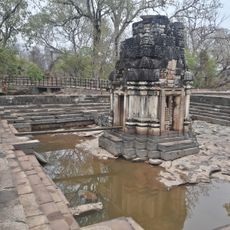
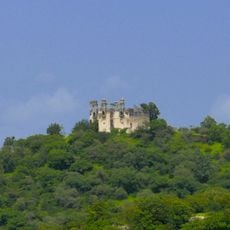
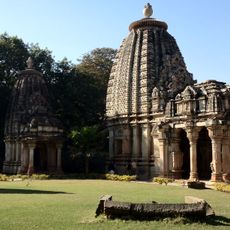
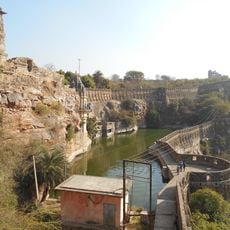
The district contains one of India's largest fort complexes perched atop a hill, featuring numerous palaces, temples, and ancient water management systems built into the structure. This site represents a remarkable engineering achievement of its time.
The community of curious travelers
AroundUs brings together thousands of curated places, local tips, and hidden gems, enriched daily by 92,722 contributors worldwide.