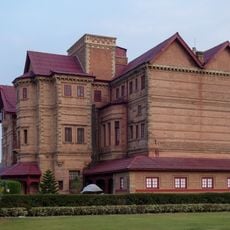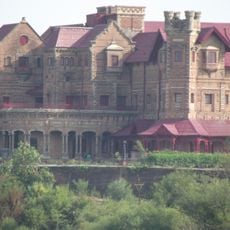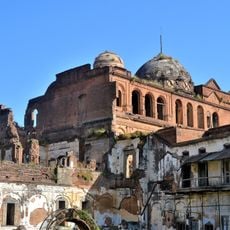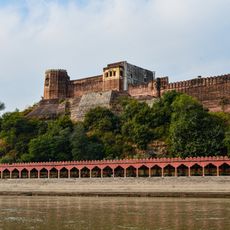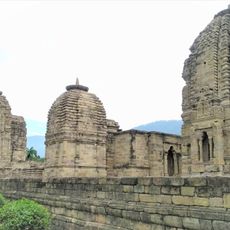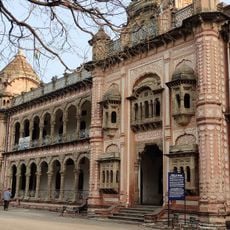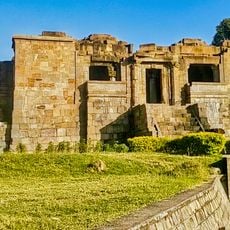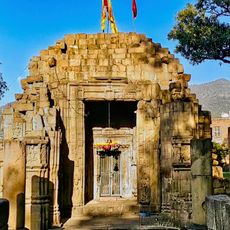
Jammu, Administrative capital in Jammu and Kashmir, India.
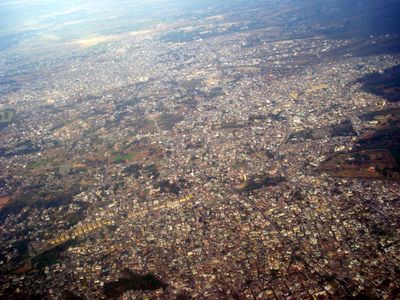
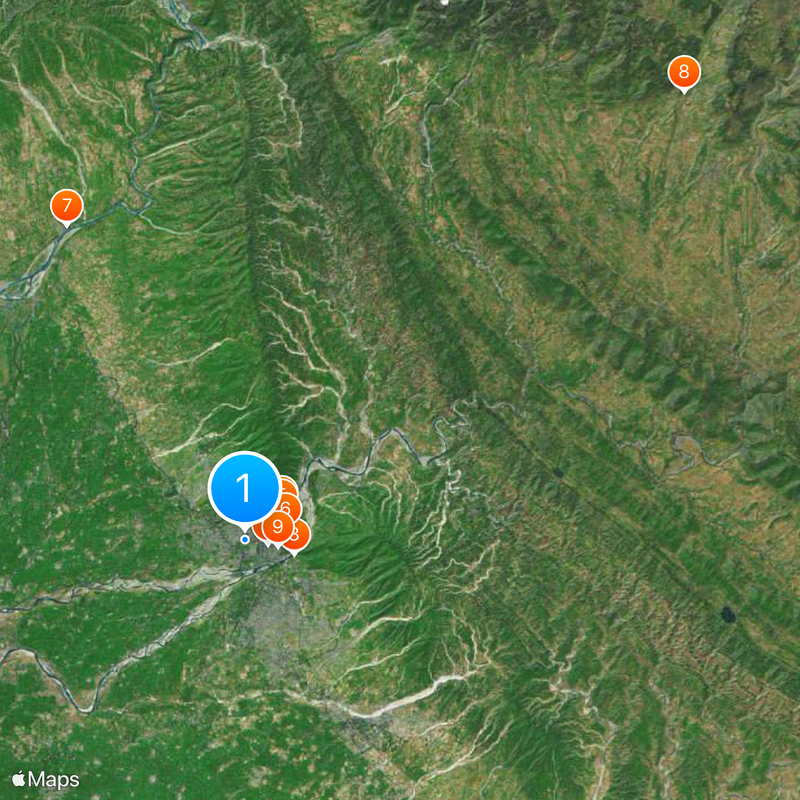
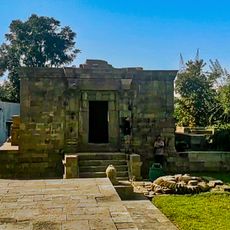
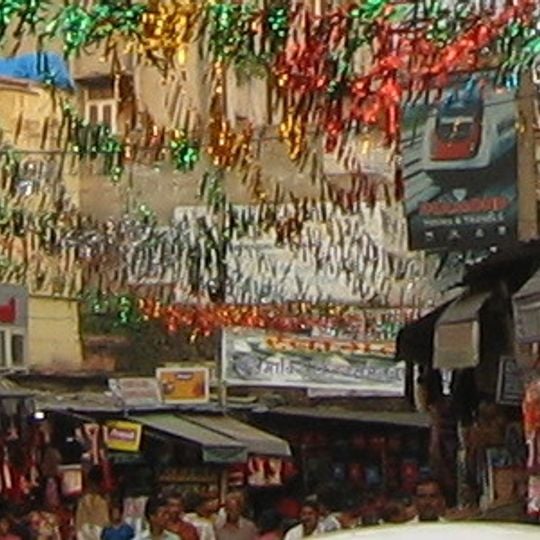
Jammu is an administrative capital in Jammu district, India, extending over the banks of the Tawi River. The settlement lies between the foothills of the Himalayas to the north and the wide plain to the south, with residential neighborhoods, bazaars, and government buildings shaping the urban layout.
Raja Gulab Singh took control in 1808 and founded the Dogra dynasty, which governed the territory for over a century under British oversight. After Indian independence in 1947, the city became part of the disputed state and has since alternated its role as capital seasonally.
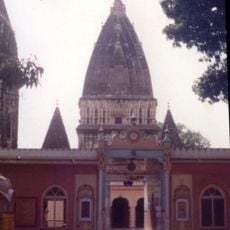
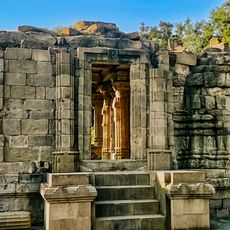
The name derives from the Sanskrit "Jambupura," meaning place of jambu trees, reflecting the centuries-old connection between language and landscape. Today, pilgrims from across the country travel to the city's temples, especially during the Navratri festival in autumn.
Jammu Tawi Railway Station connects travelers with many Indian cities through trains running daily in different directions. The months from November to March offer cooler temperatures and make walking through the wide urban areas easier.
Between November and April, the city takes on the role of winter capital of the territory, while Srinagar holds this function in summer. This rotation brings a large portion of government workers and their families to one city or the other twice a year.
The community of curious travelers
AroundUs brings together thousands of curated places, local tips, and hidden gems, enriched daily by 91,441 contributors worldwide.