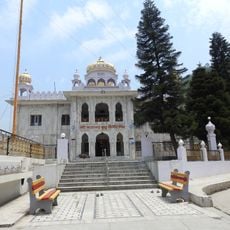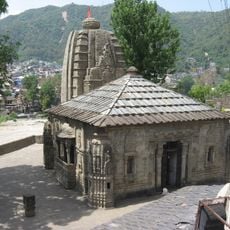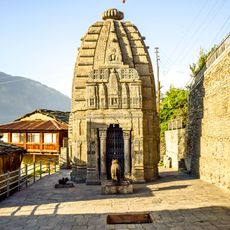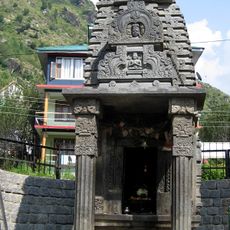
Jogindernagar, city in Himachal Pradesh, India
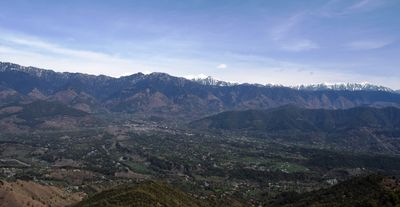
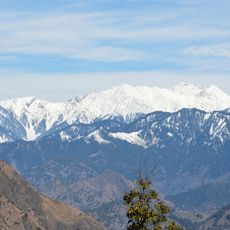
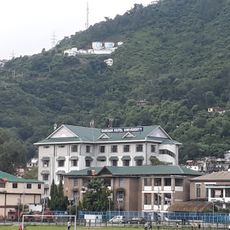
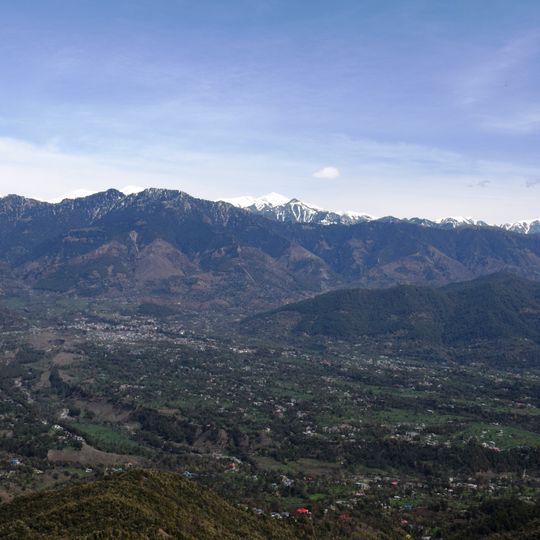
Jogindernagar is a town in Mandi district in Himachal Pradesh, nestled in a valley surrounded by green hills and pine forests and known for its hydroelectric power stations. The settlement is centered around three major plants - Shanan, Bassi, and Uhl - that harness water from nearby rivers to supply electricity across the region.
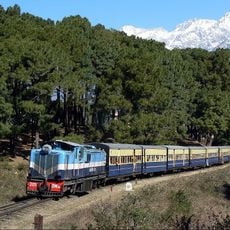
The town was founded in 1925 by Raja Joginder Sen, king of Mandi, who planned an electricity project to harness water from nearby rivers. A narrow-gauge railway was built from Pathankot in Punjab to Jogindernagar for this project, and it remains a historic feature of the region today.
The town takes its name from Raja Joginder Sen, its founder, and this historical connection remains part of local identity today. Residents speak Mandyali as their local dialect, while Hindi and English are also common, and festivals showcase bright clothing and traditional dances that reflect deep roots in community customs.
The roads in Jogindernagar are paved and easy to walk through, with local shops and markets opening early in the morning. The nearest airport is Gaggal, about 75 kilometers away, and the town connects by road to Mandi, Shimla, and Pathankot, with rental cars or local taxis recommended for exploring the surrounding hills.
A narrow-gauge railway connects Jogindernagar to Pathankot and is regarded as one of India's most scenic train routes, with tunnels and bridges that wind through the mountains. This line is on India's UNESCO tentative list for World Heritage status, offering visitors a window into the engineering history of the area.
The community of curious travelers
AroundUs brings together thousands of curated places, local tips, and hidden gems, enriched daily by 60,000 contributors worldwide.