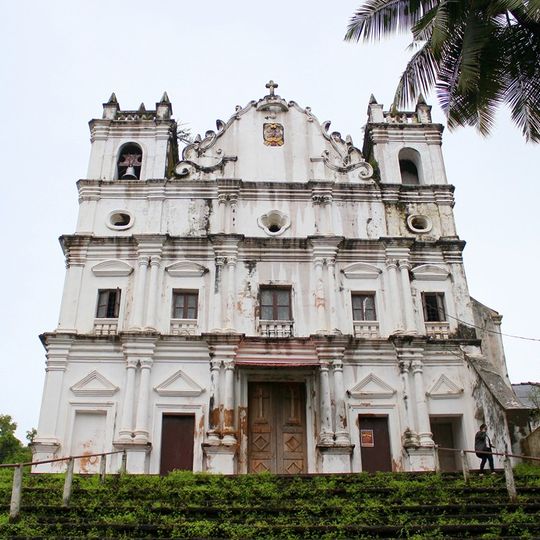
Reis Magos, human settlement in India
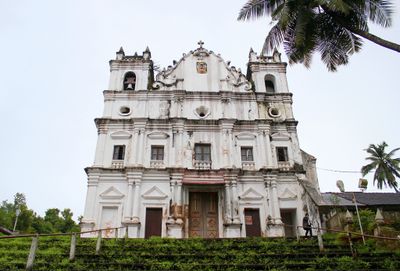
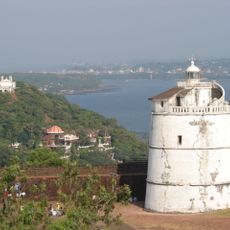
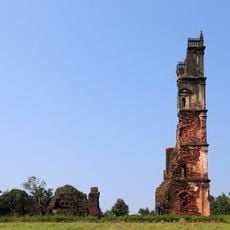
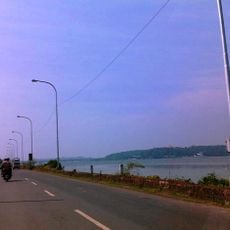
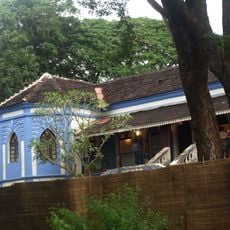
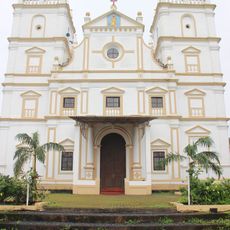
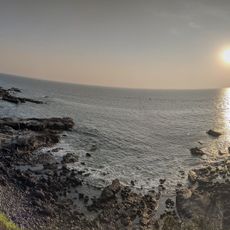
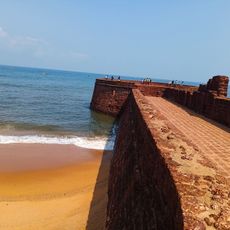
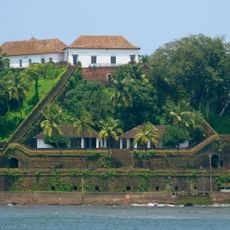
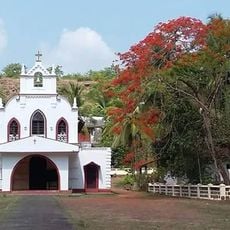
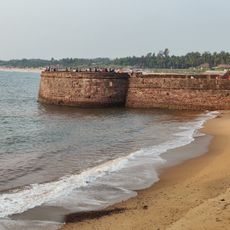
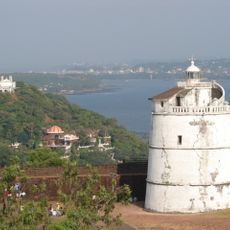
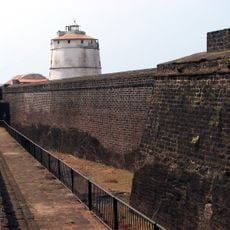
Reis Magos is a small village in North Goa located on the northern side of the Mandovi River across from Panjim. The settlement features simple homes, narrow streets, and two main structures: a fort built in 1551 made of laterite stone with turrets overlooking the river, and a church from 1550 positioned nearby with similar river views.
Reis Magos developed during the Portuguese colonial period with the fort built in 1551 as a defense against invasions and the church constructed in 1550 on the ruins of an older temple. The fort served as a defense post, an official residence, and briefly as a prison before becoming a cultural site, while restoration efforts between 2008 and recent years have returned it to visible condition.
The name Reis Magos comes from Portuguese and means 'Three Wise Men,' taken from a biblical story. The community gathers for festivals with music and processions at the church, where traditions passed down through generations continue to play a role in daily life and celebrations.
The village is best explored on foot or by small vehicle since large parking is not available and most movement happens by walking. Comfortable shoes and water are important, especially during hot times of day, and it is wise to respect local customs and approach people with friendliness.
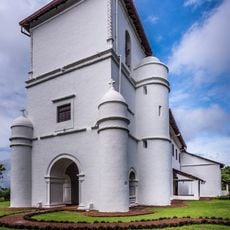
The church was built in 1550 on the ruins of an older Hindu temple and contains inside decorative tiles with inscriptions plus the grave of Portuguese governor Dom Luís de Ataíde. This layering of religious structures from different periods shows the complex history and cultural shift that is reflected in the building itself.
The community of curious travelers
AroundUs brings together thousands of curated places, local tips, and hidden gems, enriched daily by 60,000 contributors worldwide.