Raj Bhavan, Official residence in Dona Paula, India
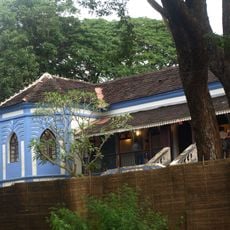
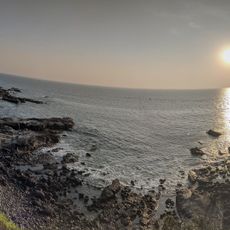
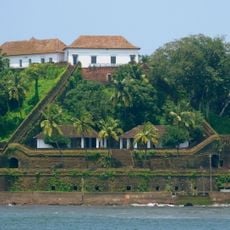
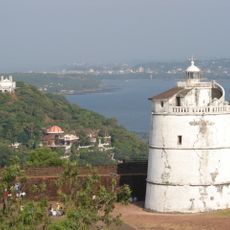
Raj Bhavan is an official residence on a cape in Dona Paula, occupying an expansive plot with double-storey structures. These buildings command views of the Arabian Sea and the confluence point where two rivers meet.
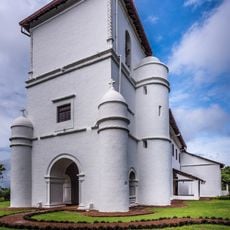
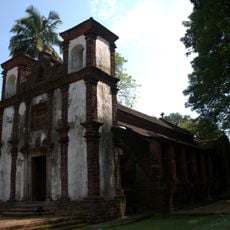
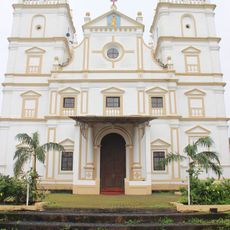
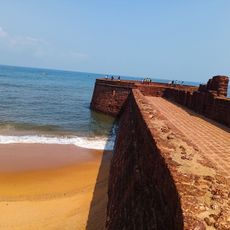
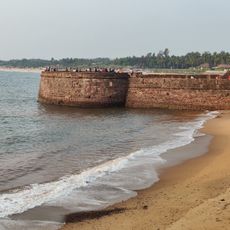
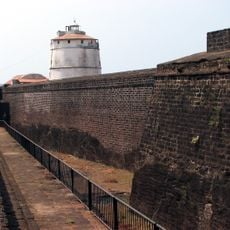
In 1540 the eighth governor of Portuguese India, Estêvão de Gama, proposed fortifications to guard the entrance to Goa harbour; a church and fort followed, with a Franciscan convent attached. The Cabo complex later housed archbishops and became the Portuguese governor's residence. The palace was built between the 16th and 17th centuries, and in 1999–2000 its decayed wooden beams were replaced with steel.
The chapel holds a wooden altar decorated in white and gold with intricate carvings that reflect Portuguese building traditions from centuries past. This religious space shows how European influence shaped the spiritual aspects of the residence.
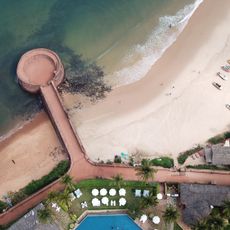
The property features private facilities including a helipad, beach access, and jetty, alongside multiple halls for official events. Access to the grounds may be limited as it functions as a protected government facility.
The grotto dedicated to St. Paula sits on the slope below the church, reached by descending steps; its altar is set into a cut-out of the cape rock and holds the saint's sculpture in a recumbent position, with an image of Jesus on a trefoil cross behind it. A board at the site records that Paula, a Roman senator's widow (347–404), lived an austere life in Rome with her daughter Eustochium.
The community of curious travelers
AroundUs brings together thousands of curated places, local tips, and hidden gems, enriched daily by 93,016 contributors worldwide.