Ahichatra, human settlement in India
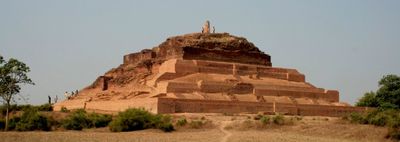
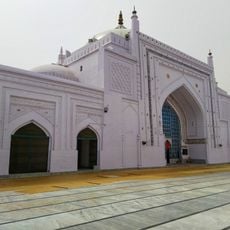
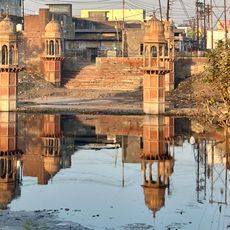
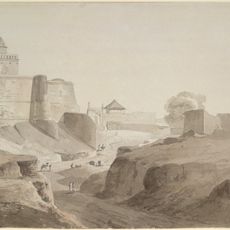
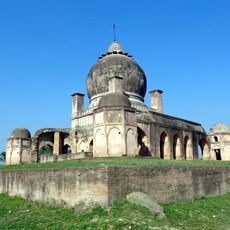
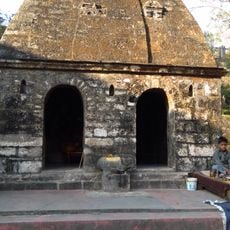
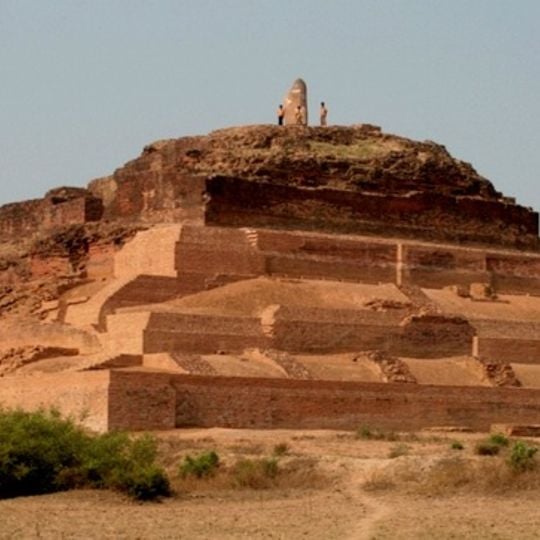
Ahichatra is an ancient settlement in northern India, located in what is now Uttar Pradesh, where brick walls and old structures remain visible among the ruins. The site spans many centuries of occupation and shows evidence of urban planning through its excavated streets, fortifications, and scattered foundations.
The settlement was founded around 1500 BCE and reached its peak during the Gupta Empire, when it became known for fine terracotta sculptures and decorative work. Excavations reveal continuous occupation from before 600 BCE until the 11th century CE, showing how it adapted to changing rulers and cultures.
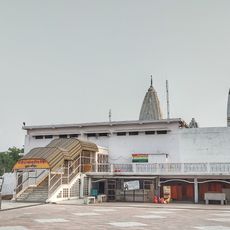
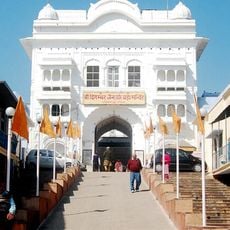
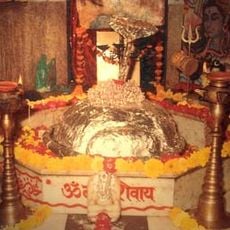
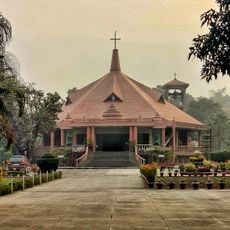
The site holds deep significance in Jainism, with temples dedicated to important spiritual teachers like Parshvanatha that draw pilgrims throughout the year. During the annual festival in March, the place becomes a gathering point where visitors come together to pray and connect with their faith.
You can reach the site by train to nearby stations and then by local transport, or take buses directly from neighboring cities to the excavation area. The quiet surroundings allow you to explore the history at your own pace without crowds.
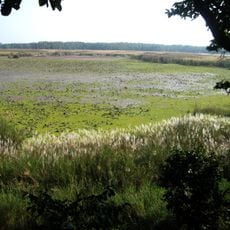
The name comes from ancient Naga tribes who worshipped snakes, with legends telling of a Naga descendant king called Adi Raja who built a fort here. A large pond nearby is believed to date to the Mahabharata era and carries stories of ancient heroes in exile.
The community of curious travelers
AroundUs brings together thousands of curated places, local tips, and hidden gems, enriched daily by 92,453 contributors worldwide.