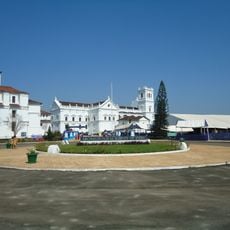
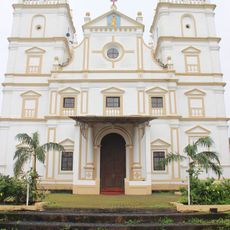
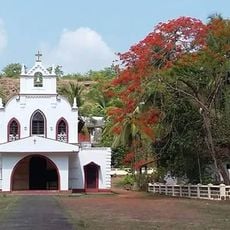
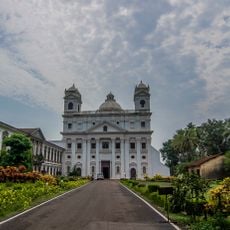
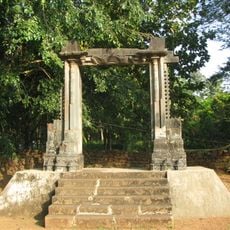
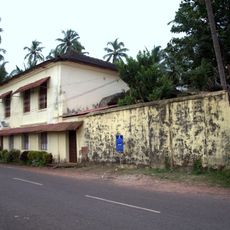
Saint Paul's College, Goa, Monument of National Importance in Old Goa, India.
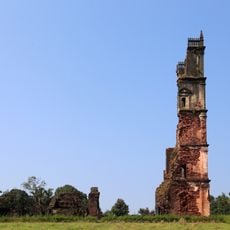
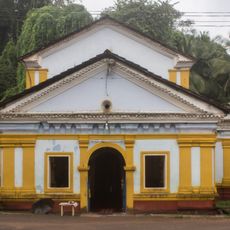
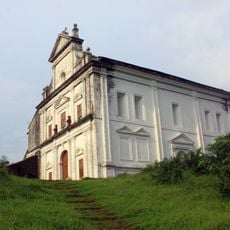
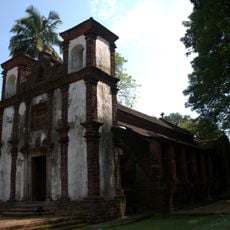
Saint Paul's College is a set of ruins in Old Goa, India, made up of a stone archway entrance, laterite walls, and basalt columns. These remaining structures give a clear idea of how large the original complex once was.
A confraternity founded by Diogo de Borba and Miguel Vaz opened the college on 25 January 1543, and Francis Xavier arrived in Goa on 6 May 1542. After the deaths of the two priests in January 1547, Xavier took over its direction, making it the first Jesuit college. The Jesuits were expelled from Portuguese territories in 1759, and the college closed; the ruins were demolished in 1832.
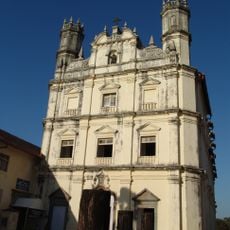
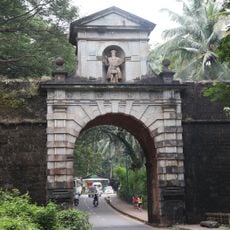
The college's name comes from the feast of Saint Paul's conversion, 25 January, when its church was consecrated in 1543. Students staged plays, such as the parable of the Prodigal Son in 1575, and public thesis defences were printed on its own press. The surviving Gate of the College of St. Paul, south of St. Cajetan's church, is built of laterite with basalt columns and a cross on top.
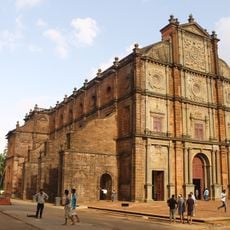
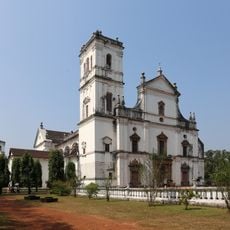
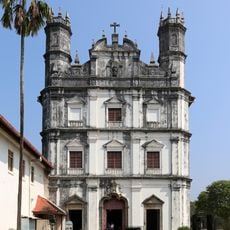
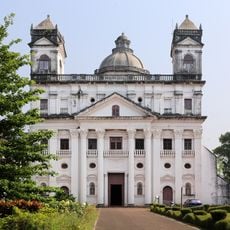
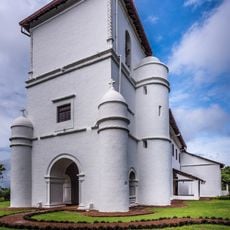
The site is within walking distance of other landmarks in Old Goa, such as the Basilica of Bom Jesus and Se Cathedral. The ground is uneven and partly covered with vegetation, so sturdy shoes are a good idea.
The college's press produced India's first printed book, Conclusiones Philosophicas, in 1556, and in 1563 Garcia da Orta's Colóquios dos simples e drogas was printed here. The earliest surviving printed book in India, the Compendio Spiritual da Vide Christaa, also came from this press.
The community of curious travelers
AroundUs brings together thousands of curated places, local tips, and hidden gems, enriched daily by 93,075 contributors worldwide.