Vayalar Grama Panchayat, Gram panchayat in Alappuzha district, India
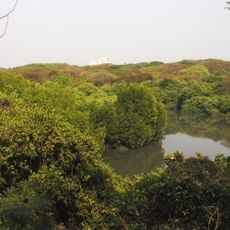
Vayalar Grama Panchayat is a local administrative division in Alappuzha district, Kerala state. The area is characterized by waterways and falls under the administrative control of Pattankkad Block Panchayat, with relatively flat terrain throughout the region.
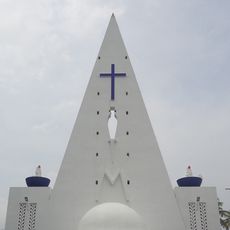
Vayalar was the site of the Punnapra-Vayalar uprising of 1946, when workers led by C. K. Kumarapanicker rose against the rule of Travancore's Diwan, Sir C. P. Ramaswami Iyer. The protesters, armed mainly with wooden spears, were met by armed police; the dead were buried in a pond where the Raktha Sakshi Mandapam now stands. Vayalar also saw Travancore's first organised labour movement.
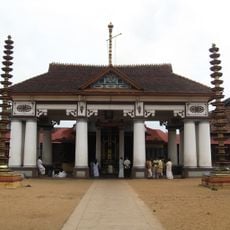
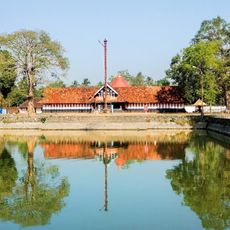
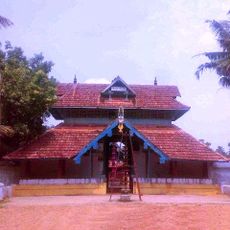
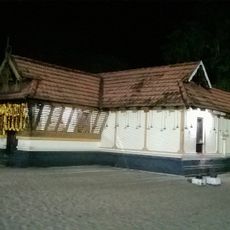
The village's name is linked to poet Vayalar Ramavarma, and its high school bears his name. The Thurunagankulangara Sree Mahadeva temple in the centre is known for serpent worship, and the annual Thulam pathu observance on 27 October draws Communist leaders and followers to the Raktha Sakshi Mandapam.
Vayalar lies 5 km north of Cherthala town; the Vayalar road linking the two is the village's lifeline, and a second road joins National Highway 47. The panchayat covers 14.5 sq km, bounded east by Vayalar kayal, part of the Vembanad backwaters, and south by Kuriyamuttam kayal. The Raktha Sakshi Mandapam stands at the panchayat's southern end.
The bodies of those killed in the 1946 Vayalar revolt were thrown into a pond at the spot where the Raktha Sakshi Mandapam now stands, according to the Malayalam source. The memorial marks the deaths of protesters armed with wooden spears who faced police firearms.
The community of curious travelers
AroundUs brings together thousands of curated places, local tips, and hidden gems, enriched daily by 93,862 contributors worldwide.