Ratangarh, human settlement in India
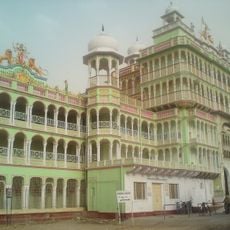
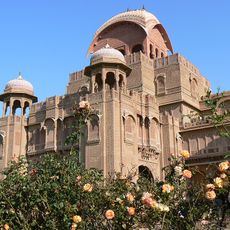
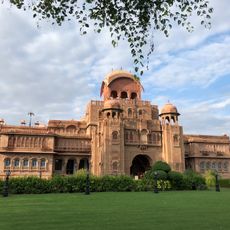
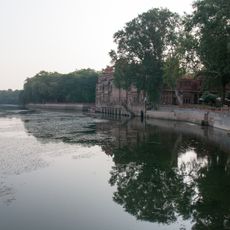
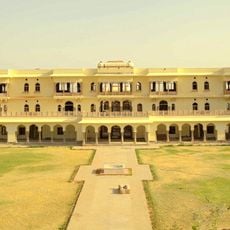
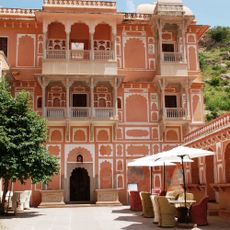
Ratangarh is a town in the desert region of Rajasthan's Churu district, situated at about 312 meters (1,024 feet) elevation. It features old mansions with colorful frescoes, bustling markets selling textiles and handicrafts, and streets arranged around a central square marked by a prominent clock tower.
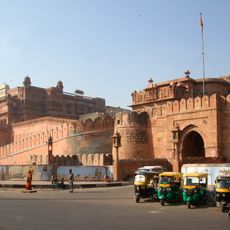
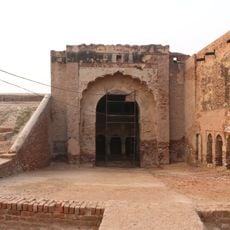
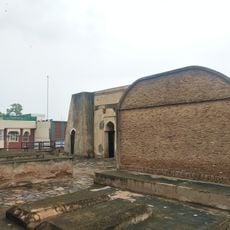
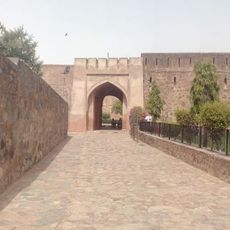
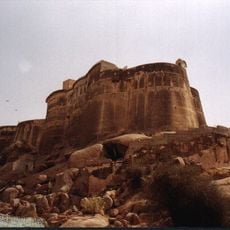
Ratangarh was founded in 1798 by Surat Singh, the king of Bikaner, who named it after his son Ratan Singh. The town was fortified in the 19th century with a large fort that withstood two attacks, though only ruins of its walls and gates remain today.
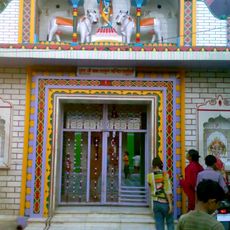
Ratangarh's name comes from Hindi words meaning "jewel fort," reflecting its past as a trading hub. The local community maintains Rajasthani traditions through folk music, dance performances, and colorful festivals that bring residents and visitors together throughout the year.
The town is best explored on foot or by tuk-tuk to visit local markets and historic buildings. The nearest major airport is in Jaipur, several hours away, but Ratangarh's railway station built in 1910 connects easily to other Rajasthan cities.
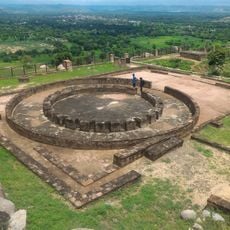
Two ancient stone slabs called Devali were discovered near the village of Hudera showing dance images from about 750 years ago. These archaeological finds suggest the region has deep roots in worship and cultural practices that predate the town's founding by centuries.
The community of curious travelers
AroundUs brings together thousands of curated places, local tips, and hidden gems, enriched daily by 91,443 contributors worldwide.