Dudhwa Tiger Reserve, Tiger reserve in Uttar Pradesh, India
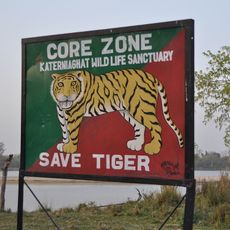
Dudhwa Tiger Reserve covers 1,284.3 km2 across the Lakhimpur Kheri and Bahraich districts of Uttar Pradesh, made up of Dudhwa National Park, Kishanpur Wildlife Sanctuary and Katarniaghat Wildlife Sanctuary. Three large forested blocks stand within an agricultural landscape, and the Mohana River marks much of the north-eastern boundary with Nepal. Ground lies between 110 and 185 m, crossed by streams flowing from the northwest over alluvial plain.
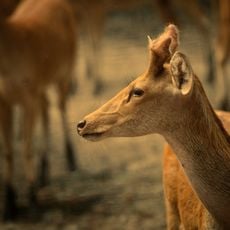
The area was first established as a wildlife sanctuary in 1968 to protect endangered barasingha deer. In 1987, it became an official tiger reserve as part of Project Tiger.
The reserve's name comes from the Dudhwa forest tract in Lakhimpur Kheri district, and its gates are named for local spots: Dudhwa, Ujhani, Andari and Kishanpur. The Tharu, who live along the Nepal border, are the communities most often met around the reserve; the sources record no details of their customs or role in conservation.
The best time for wildlife viewing is from November to February when temperatures are mild and vegetation is low enough for good visibility. Visitors should prepare for long drives and periods of waiting to see animals in their natural surroundings.
The 2026 census counted 53 Indian rhinoceroses in the reserve, a rise officials credited to habitat protection and breeding support. The animals are not native stock reintroduced from Assam in 1984; the reserve's rhinos descend from a small group brought from Nepal and Assam in the 1980s, and the herd has grown since.
The community of curious travelers
AroundUs brings together thousands of curated places, local tips, and hidden gems, enriched daily by 92,775 contributors worldwide.