Khirasara, Archaeological site in Nakhatrana Taluka, India
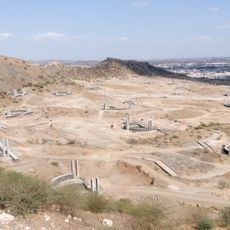
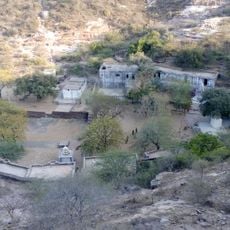
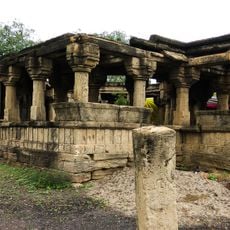
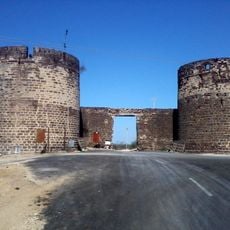
Khirasara is an Indus Valley Civilization site on the bank of the Khari River, 85 km from Bhuj in Nakhatrana Taluka, Kutch district. Excavation from December 2009 exposed a fortification wall enclosing 300 square metres, a warehouse of 14 parallel walls measuring 28 by 12 metres, and brick-and-mud houses with rectangular rooms linked by cooking furnaces and foundation pillars.
Exploration in 1976-77 by an Archaeological Survey of India official yielded a large cubical weight, pottery fragments and red polished ware vessels. In December 2009 a team from the Survey's Vadodara division began digging after a fortification wall enclosing 300 square metres was found. The site is identified as a major industrial hub of the Mature Harappan period, active from about 2600 to 2200 BC.
Bone pots found in the rooms held ash and bones after death, and shell fragments were recovered alongside them. Seals unearthed at the site are kept at the Kutch Museum in Bhuj. Fine perforated pottery from the upper layers is thought to be later than pieces from deeper layers, and specialists plan to compare it with finds from other Harappan sites to identify and date it.
Khirasara lies on the bank of the Khari River in Nakhatrana Taluka, 85 km from Bhuj, the district headquarters. The excavated area is small, about 300 square metres enclosed by a fortification wall, so the remains are best read with the ASI excavation reports at hand. The site is reached from Bhuj by road; no facilities are recorded at the mound.
The Archaeological Survey of India recovered a survey instrument comparable to a modern prismatic compass at a spot at the site called Gadh-vali vadi. It is one of the few measuring tools known from a Harappan settlement, and it points to planned layout and measurement at Khirasara.
The community of curious travelers
AroundUs brings together thousands of curated places, local tips, and hidden gems, enriched daily by 94,005 contributors worldwide.