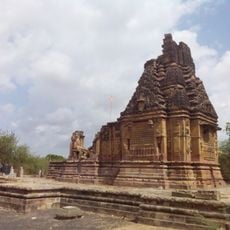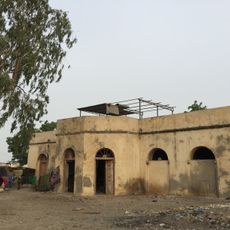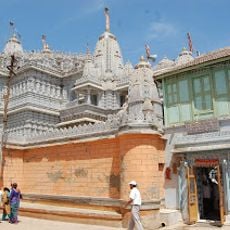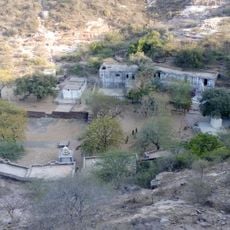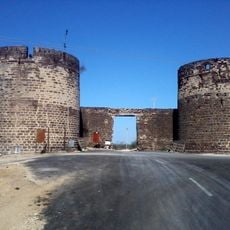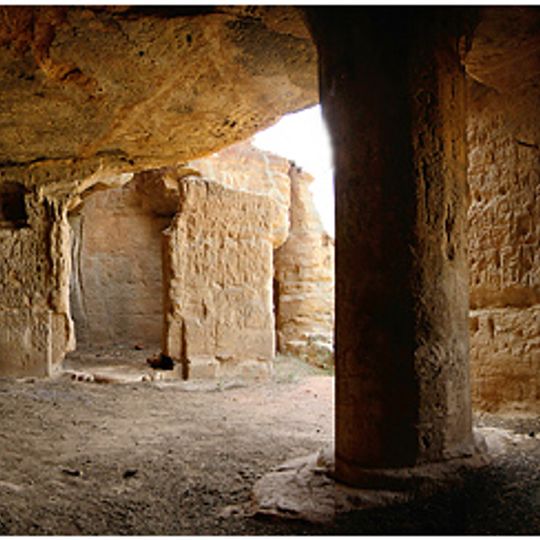
Siyot caves, Buddhist rock caves in Kutch district, India
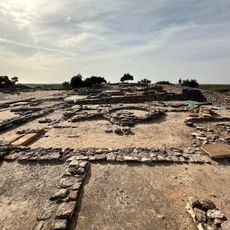
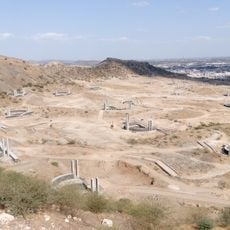
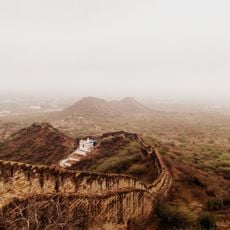
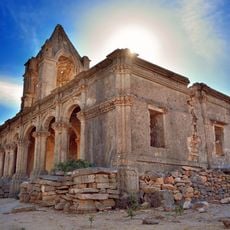
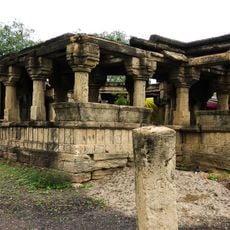
Siyot caves form a complex of five rock-cut chambers featuring intricately carved walls and an east-facing inner sanctum. The site includes an open ambulatory passage that surrounds these spaces, creating a structured layout for movement and meditation.
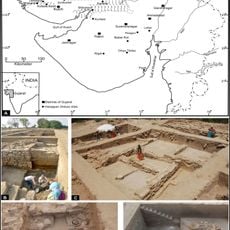
The site started as a Shiva temple in the first century before transitioning to use as Buddhist monastic cells. Excavations conducted in 1988-89 revealed clay seals bearing Buddha images, metal rings, ancient coins, and Brahmi inscriptions.
The caves transformed from a Shiva temple in the first century to Buddhist monastic cells, as evidenced by the architectural elements and religious artifacts.
Buses run twice daily from Bhuj to Narayan Sarovar if you prefer shared transport, though hiring a private vehicle offers more flexibility for exploration. Bring water and wear comfortable shoes, as the rocky terrain around the caves can be uneven.
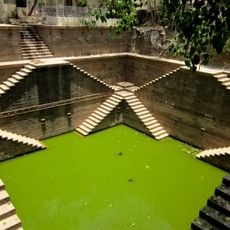
The site preserves a primitive stepwell, a water-storage structure with stepped levels that descends below ground. Historical accounts by Chinese travelers from the seventh century mention approximately eighty Buddhist caves in the region, and this complex appears to match their descriptions.
The community of curious travelers
AroundUs brings together thousands of curated places, local tips, and hidden gems, enriched daily by 92,874 contributors worldwide.