Hajo, human settlement in India
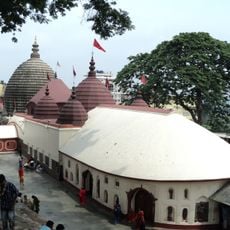
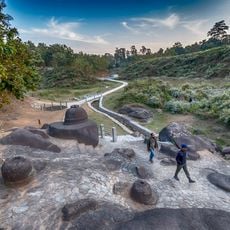
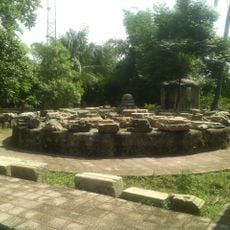
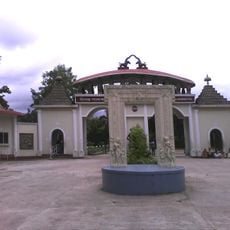
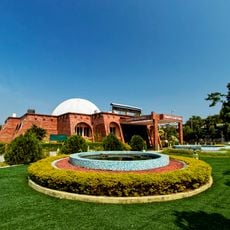
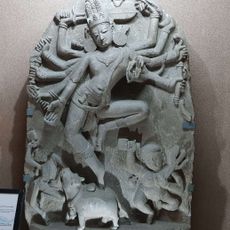
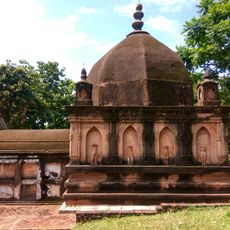
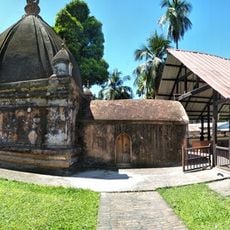
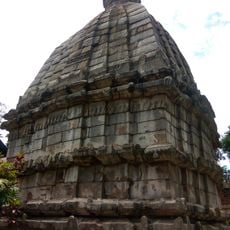
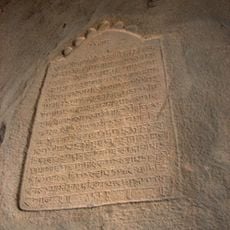
Hajo is a pilgrimage town in Kamrup Rural district, Assam, set on a hill above the northern bank of the Brahmaputra River and home to several old religious sites belonging to three faiths. The Hayagriva Madhava Temple, the Poa Mecca dargah, and a Buddhist stupa all sit within a short walk of one another on the same hillside.
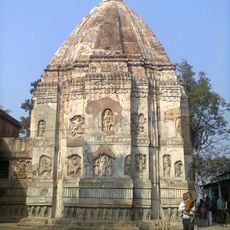
The Hayagriva Madhava Temple in Hajo dates to around the 6th century, and the site was already a recognized place of worship when early rulers of the region began sponsoring its upkeep. Sufi saints arrived in later centuries, drawing Muslim pilgrims from across northern India and turning the hill into a shared sacred ground for travelers coming from Assam, Tibet, and Bhutan.
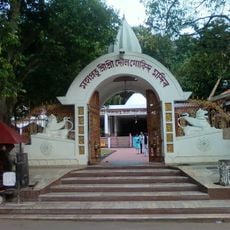
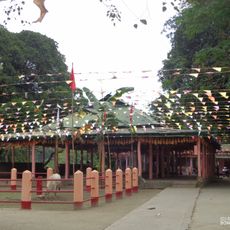
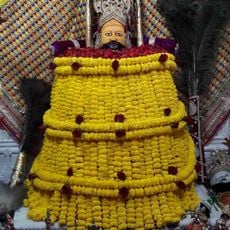
In Hajo, Hindu temples, a Muslim dargah, and a Buddhist stupa stand within walking distance of one another, and pilgrims from all three traditions visit on the same days. A visitor can watch flower offerings being placed outside a temple entrance and then, a few steps away, see someone tying a thread at a shrine gate.
The temples and shrines are spread across a hillside and reached on foot, so comfortable footwear and enough time to walk between them makes the visit easier. Religious festivals such as Maha Shivaratri or the annual Urs draw large numbers of pilgrims and make the hillside far busier than on ordinary days.
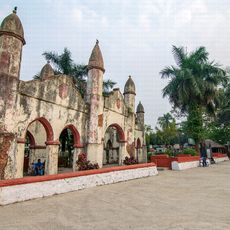
The dargah on the hill is sometimes called Poa Mecca, meaning a quarter of Mecca, because local belief holds that soil brought from Mecca was buried there long ago. This idea has drawn generations of Muslim pilgrims who could not travel to Saudi Arabia, making the dargah a substitute destination with its own long history of devotion.
The community of curious travelers
AroundUs brings together thousands of curated places, local tips, and hidden gems, enriched daily by 92,098 contributors worldwide.