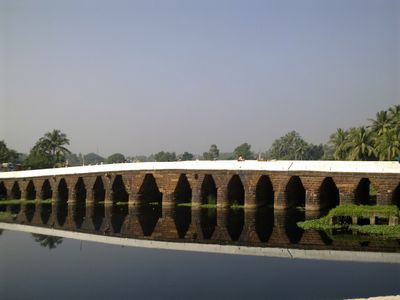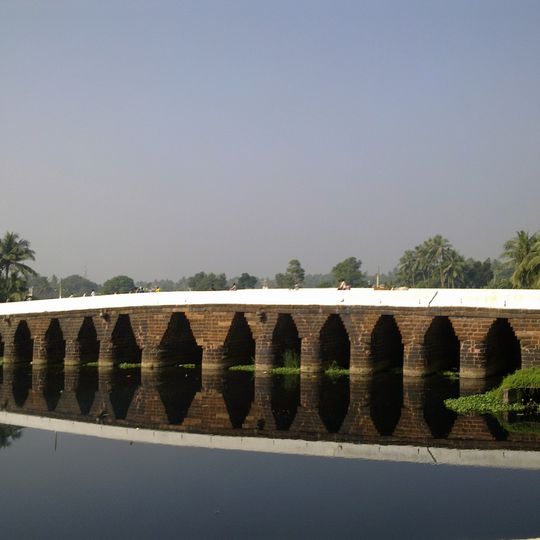
Atharanala, Heritage stone bridge in Puri, India
Atharanala is a stone bridge in Puri, India, that spans the Musa River on 18 arches made from laterite stone and lime mortar. The bridge links the outer areas of the city to its historic core and is classified as a Monument of National Importance.
The bridge was built in the 13th century under King Bhanu Deva I as the main gateway into Puri. It was later rebuilt and expanded during Maratha rule in the 18th century, giving it the form it has today.
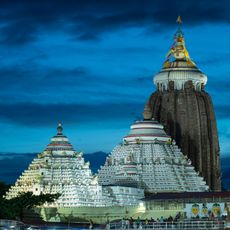
The name Atharanala comes from Odia and means "eighteen channels," which refers directly to the arches beneath the bridge. Pilgrims heading to the Jagannath Temple traditionally cross this bridge as the first step of their journey into the old city.
The bridge is open to pedestrians and light vehicles, but heavy traffic is not allowed in order to protect the structure. Visiting in the early morning or late afternoon gives a clearer view of the carved reliefs on the walls, as the light is more favorable at those times.
From the bridge, there is a direct line of sight to the Neelachakra, the blue wheel that sits at the top of the Jagannath Temple, with nothing blocking the view. This sightline was not accidental, as the bridge was traditionally the first point on the pilgrimage route where the temple's summit became visible.
The community of curious travelers
AroundUs brings together thousands of curated places, local tips, and hidden gems, enriched daily by 91,253 contributors worldwide.