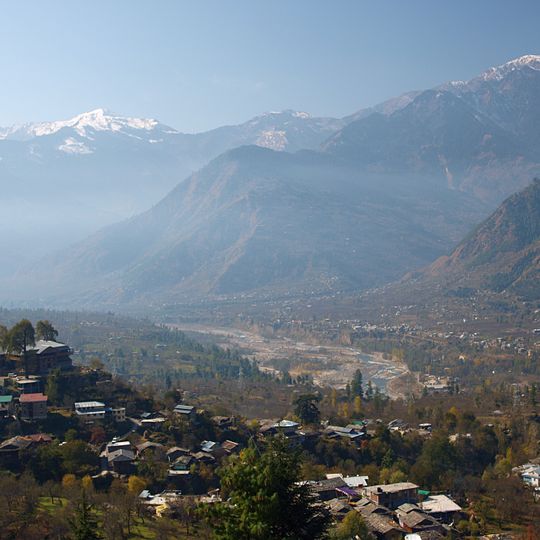
Kullu Valley, River valley in Himachal Pradesh, India
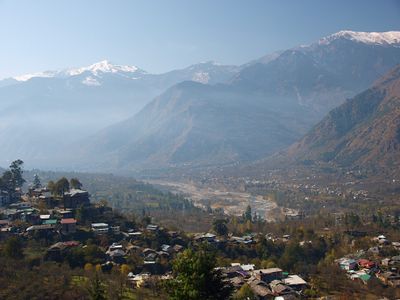
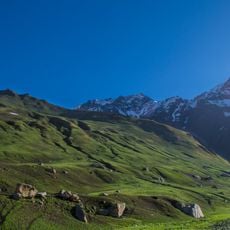
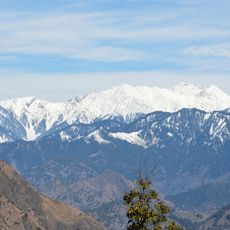
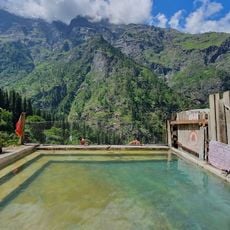
The Kullu Valley stretches between Manali and Larji, formed by the Beas River flowing through a landscape bordered by the Pir Panjal and Great Himalayan mountain ranges. The valley sits at approximately 1230 meters elevation and is lined with steep forested slopes that give way to apple orchards and agricultural land.
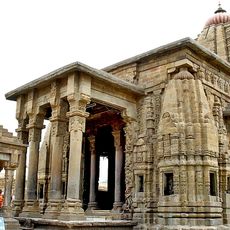
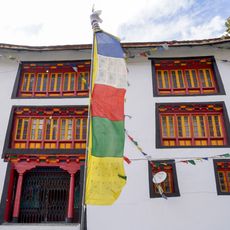
The Chinese traveler Xuanzang documented the valley in 634 CE, recording the presence of Buddhist monasteries and Hindu temples across this fertile mountain region. This early account shows the area was already an established center of religious life and cultural exchange.
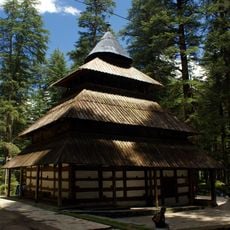
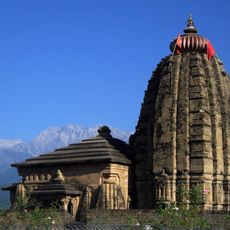
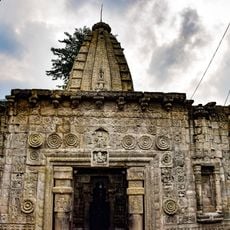
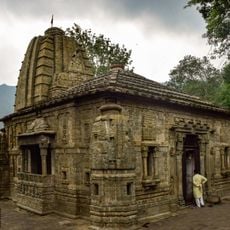
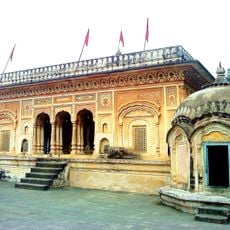
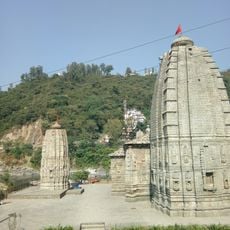
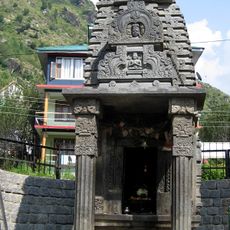
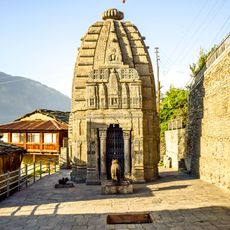
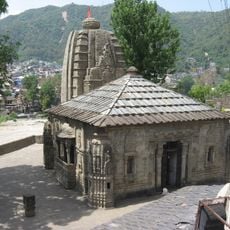
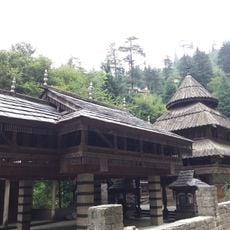
The valley is known locally as Kulant Pith, meaning the end of the habitable world, reflecting how people once viewed this remote mountain region. Temples dedicated to local deities dot the landscape along the Beas River, forming a spiritual presence that shapes daily life here.
The best time to visit is from May through September when the weather is dry and roads are easily accessible, while winter brings snow and ice that can complicate travel. Warm clothing and sturdy footwear are essential year-round due to the elevation and mountain conditions.
The valley is renowned for its apple orchards, which thrive due to the specific combination of elevation, rainfall, and temperature that transforms the landscape into a major fruit-growing region. This agricultural focus creates a distinctive look that many travelers overlook when focusing on the mountain scenery.
The community of curious travelers
AroundUs brings together thousands of curated places, local tips, and hidden gems, enriched daily by 90,865 contributors worldwide.