Buggerru, Italian comune
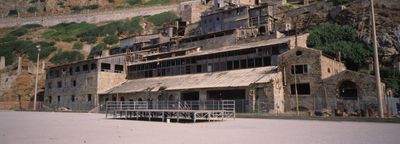
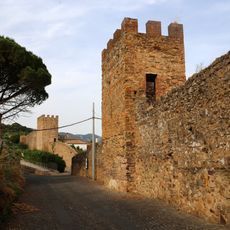
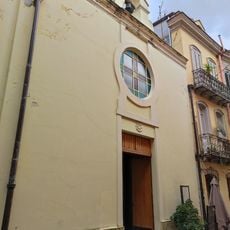
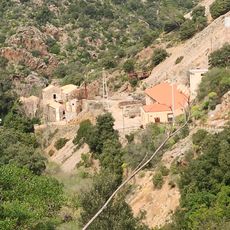
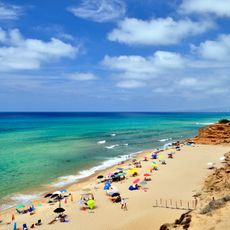
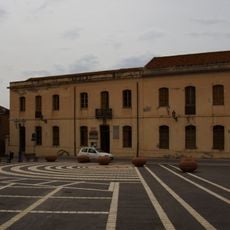
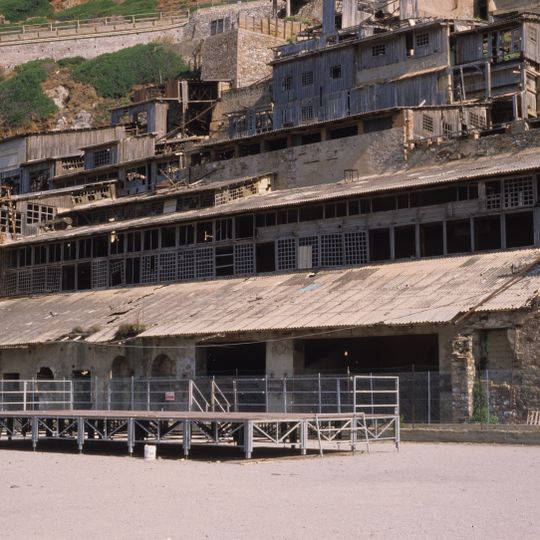
Buggerru is a small coastal town in southwestern Sardinia built around coal mining in 1864. The settlement features a neoclassical church at its center, houses that face the sea, and an industrial heritage scattered across old mine sites, galleries, and former workers' housing that can still be explored today.
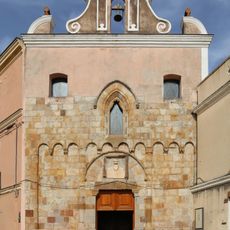
Founded in 1864 around coal mining, the town grew rapidly with infrastructure like the post office in 1879 and the neoclassical church completed by 1882. The 1904 Massacre of Buggerru marked a turning point when workers protesting harsh conditions and low wages were shot by soldiers, becoming the first such labor uprising in Italy.
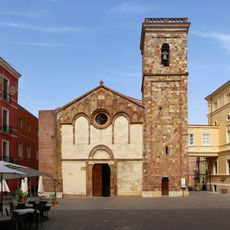
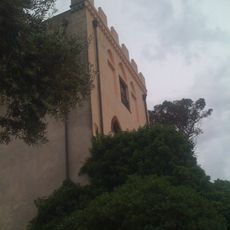
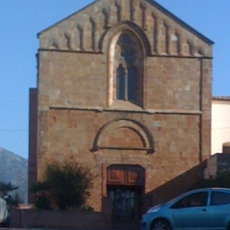
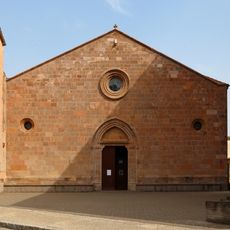
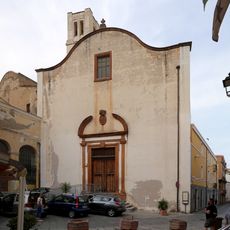
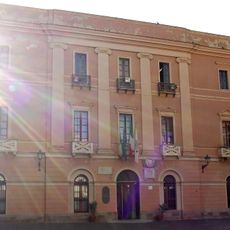
The town was built around mining activity in the 1800s and today the layout still reflects this heritage. You can see how the houses face the sea, the central church of San Giovanni Battista, and old schools and libraries scattered through the streets, all reminders of the community that once thrived here.
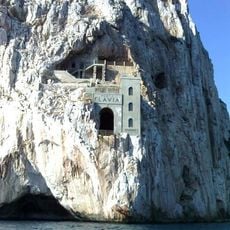
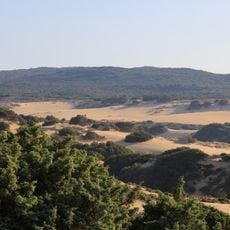
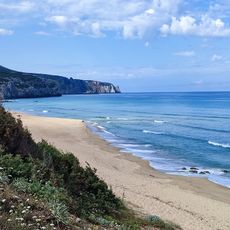
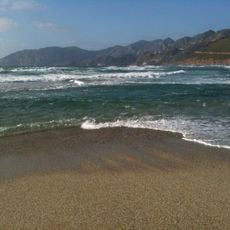
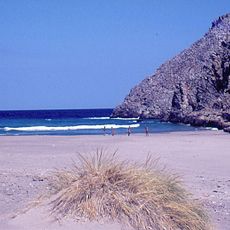
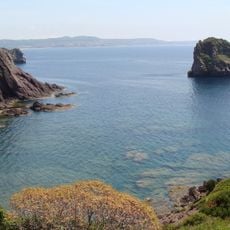
The town sits on the southwestern coast and is easily accessible by car or public transport from larger towns in the region. Visit between May and September for the best weather, when you can comfortably explore beaches, hike along the coast, and take boat trips to nearby coves and rock formations.
Around 1900, one of Sardinia's first automobiles may have been stationed here: a Decauville owned by the mining company, which moved without reverse gear and used a rotating platform to turn around. This unusual machine was custom-built to haul minerals through the rocky terrain.
The community of curious travelers
AroundUs brings together thousands of curated places, local tips, and hidden gems, enriched daily by 91,252 contributors worldwide.