Stabiae, Archaeological site in Castellammare di Stabia, Italy
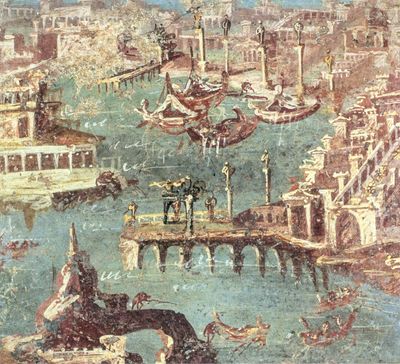
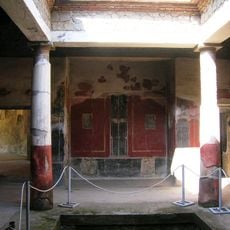
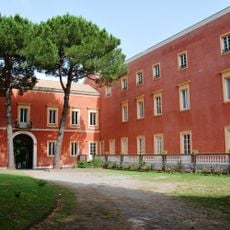
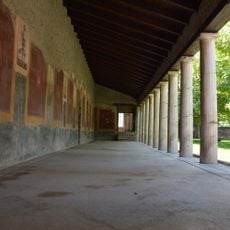
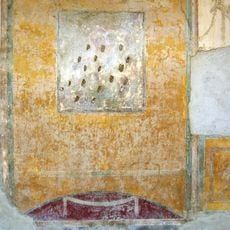
Stabiae is an archaeological site in Castellammare di Stabia containing remnants of residential villas with wall paintings, bathing facilities, and extensive living structures spread across a hillside overlooking the Gulf of Naples. The two main villas feature rooms with original decoration and floor patterns that show how wealthy Romans lived and arranged their spaces.
The settlement began in the 7th century BC and suffered destruction by Sulla in 89 BC before being buried by Mount Vesuvius's eruption in 79 AD. This volcanic event preserved the sites in exceptional condition, providing insight into Roman daily life.
The two main villas display large residential spaces with wall paintings showing mythological scenes and glimpses of everyday Roman life. These decorations reveal what wealthy families valued and how they chose to decorate their homes.
The two main villas are connected by paved paths running through the ancient structures, making exploration straightforward. The site offers some shaded areas, but visitors should be prepared for uneven ground and wear comfortable shoes.
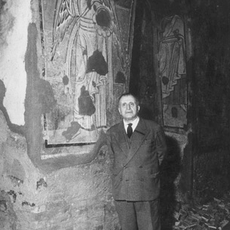
The site contains underground tunnels from 18th-century excavations that allowed archaeologists to extract artifacts without disturbing surface structures. This early excavation method is itself a fascinating part of archaeological history.
The community of curious travelers
AroundUs brings together thousands of curated places, local tips, and hidden gems, enriched daily by 92,061 contributors worldwide.