University of Pisa, Public university in Pisa, Italy.
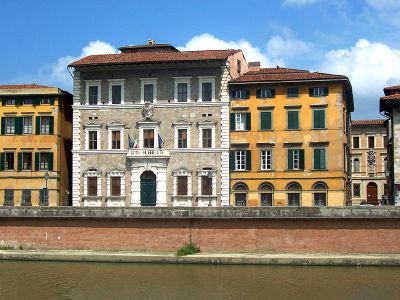
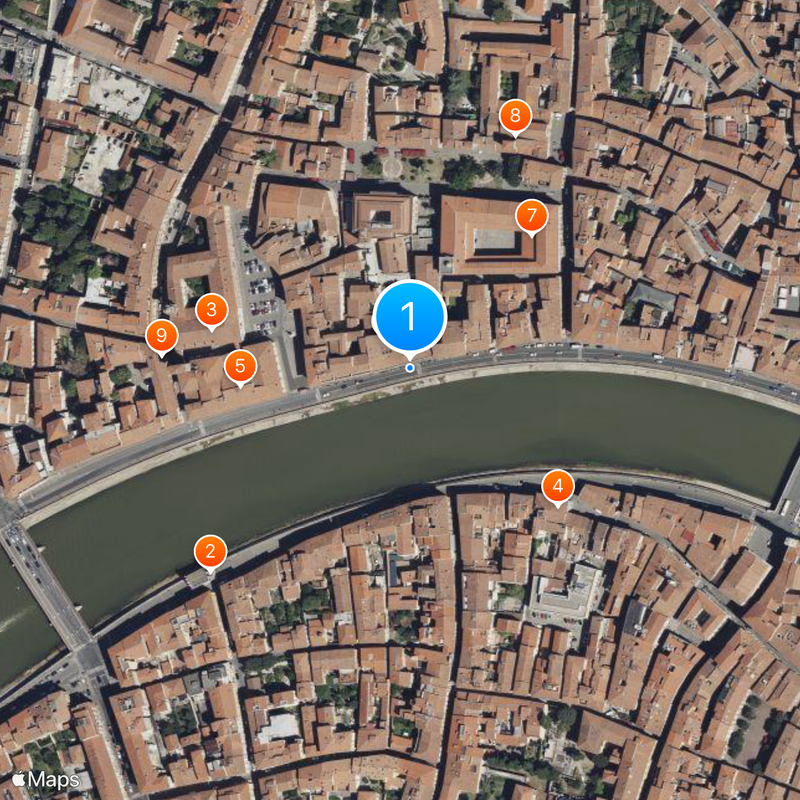
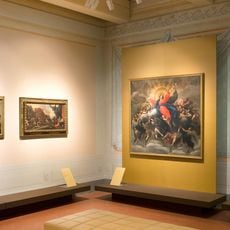
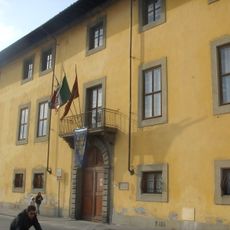
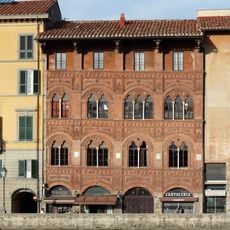
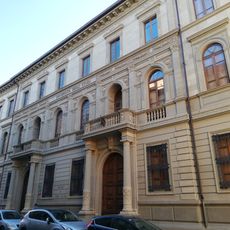
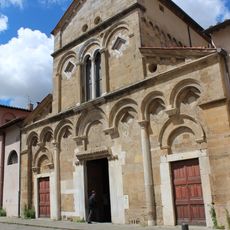
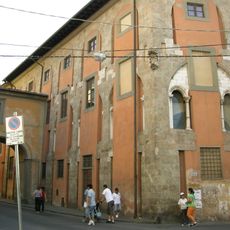
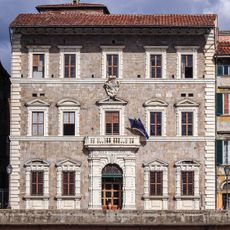
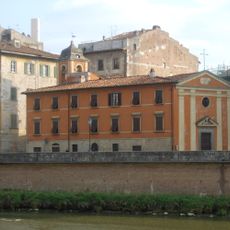
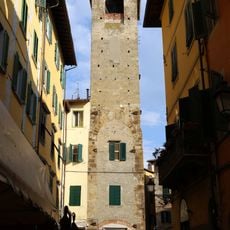
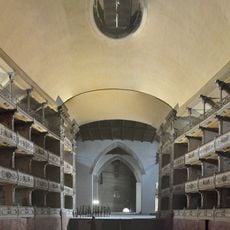
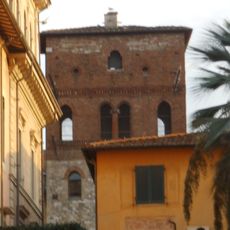
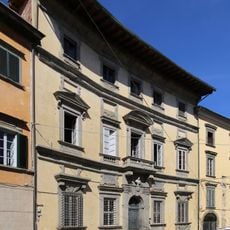
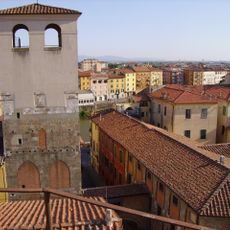
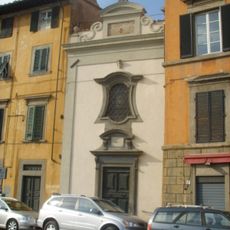
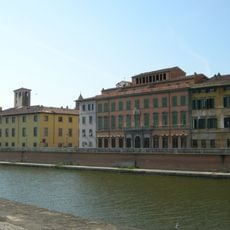
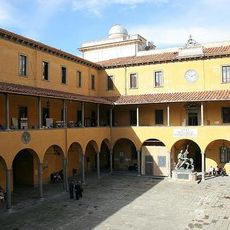
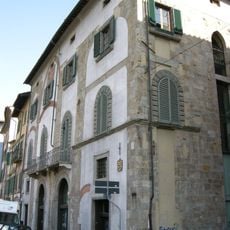
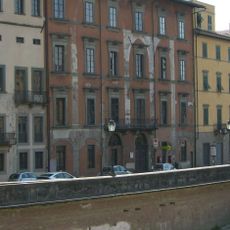
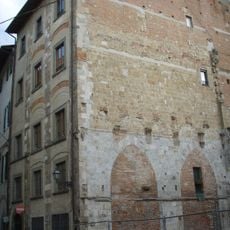
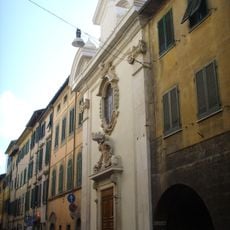
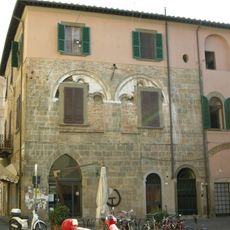
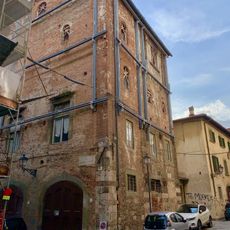
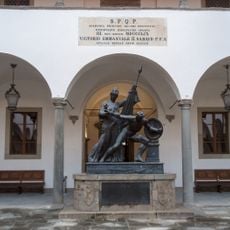
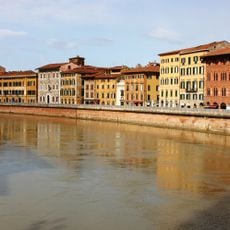
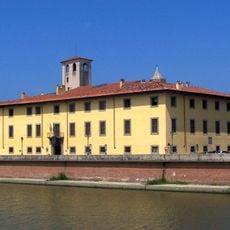
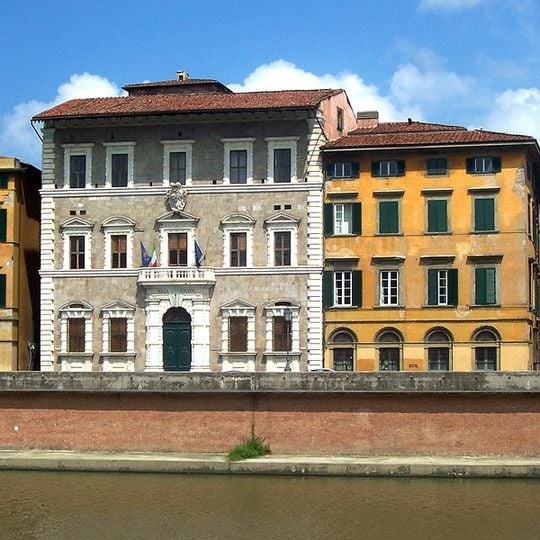
The University of Pisa is a public university in Pisa, Italy, with faculties and institutes scattered throughout the historic center and surrounding districts. The institution comprises twenty departments in science, humanities, medicine, and engineering, housed in Renaissance palaces, modern lecture halls, and specialized research buildings.
The institution was founded in 1343 through papal bull and grew into a center of European learning during the Renaissance. Galileo Galilei taught mathematics here in the late 16th century and conducted his falling object experiments that changed the foundations of modern physics.
The university shapes daily life in Pisa, as students from many countries fill the historic streets, libraries, lecture halls, and laboratories. The cityscape changes with the academic year, when thousands of learners occupy cafés, parks, and public spaces around the faculties.
Visitors can enter public areas of faculty buildings, but should note that some laboratories and lecture halls are accessible only to enrolled students. Main libraries offer guest reading spaces for researchers and interested visitors, though registration at the reception desk may be required.
The university press publishes scholarly works through an open-access platform, allowing research findings to be read worldwide without subscription fees. This approach enables researchers, students, and curious minds in all regions to access current studies and academic publications directly.
The community of curious travelers
AroundUs brings together thousands of curated places, local tips, and hidden gems, enriched daily by 91,882 contributors worldwide.