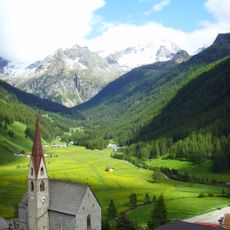
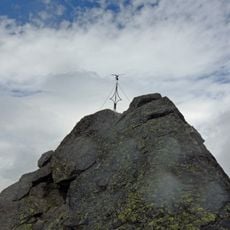
Schneebiger Nock, Alpine summit in South Tyrol, Italy
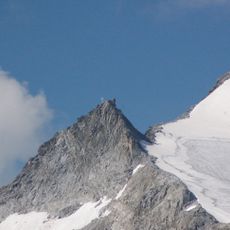
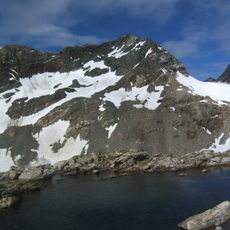
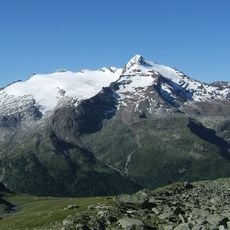
Schneebiger Nock is a mountain summit in the Rieserferner Group in South Tyrol, Italy, rising to 3,358 meters and ranking as the second highest peak in the group. Its profile is defined by steep ridges and sharp edges that are visible from the surrounding valleys.
The first recorded ascent took place on October 6, 1866, when Archduke Rainer of Austria reached the top with Major Heinrich Wurmbrand and three local guides. This climb was part of the broader alpine exploration that opened up many peaks in the Eastern Alps during that period.
The mountain goes by Schneebiger Nock in German and Monte Nevoso in Italian, and both names appear side by side on maps and trail signs across the area. This reflects the everyday bilingual reality of South Tyrol, where German and Italian coexist in public life.
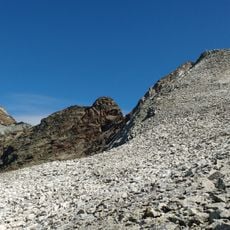
Three main routes lead to the top: one from Hochgallhuette to the north, one over Magerstein also to the north, and one from Rieserfernerhuette to the south. All routes pass through steep and exposed sections, so solid mountain experience and settled weather matter a great deal here.
The northwest face drops over 1,800 meters (5,900 feet) into the valley of Rein, one of the sharpest vertical drops in the entire Rieserferner Group. This makes the mountain easy to spot from the valley floor, even without knowing its name.
The community of curious travelers
AroundUs brings together thousands of curated places, local tips, and hidden gems, enriched daily by 91,121 contributors worldwide.