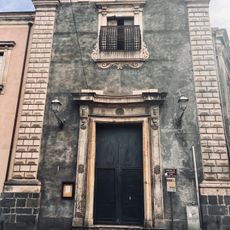
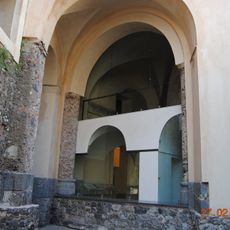
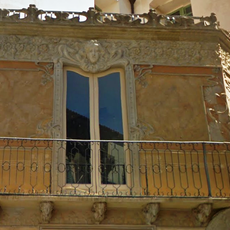
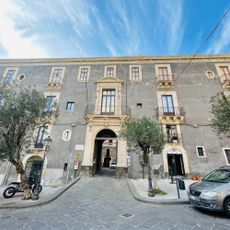
Stipe votiva di piazza San Francesco, Ancient Greek votive deposit in Piazza San Francesco, Catania, Italy
Stipe votiva di piazza San Francesco is an archaeological site in Catania containing thousands of ceramic and terracotta pieces unearthed during sewer construction in 1959. The collection includes vessels, figurines, and religious objects from an ancient Greek shrine that are now housed in a museum for preservation and study.
The shrine emerged in the late archaic period and developed over several centuries as a place of worship in the ancient city. The finds date from the late 7th century BC to the 4th century BC, showing how the community honored its deities across different time periods.
The votive offerings show figures of the goddess Demeter and statuettes holding piglets, reflecting how deeply the local people connected agriculture with their spiritual life. These clay figures reveal which deities the inhabitants of ancient Catania approached when they needed protection for their crops.
The excavated objects can be visited in a museum where they are protected and labeled for study. This setting offers a comfortable way to see the artifacts and learn about ancient religious practices without the challenges of visiting an active excavation site.
The excavation encountered groundwater challenges that required special stabilization measures and complicated the digging process. These technical obstacles made retrieving the artifacts an unusually difficult task that combined engineering and archaeological work.
The community of curious travelers
AroundUs brings together thousands of curated places, local tips, and hidden gems, enriched daily by 91,092 contributors worldwide.