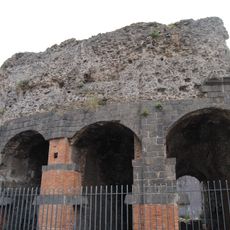
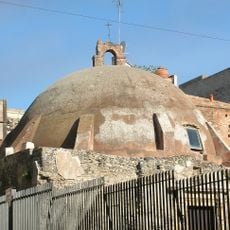
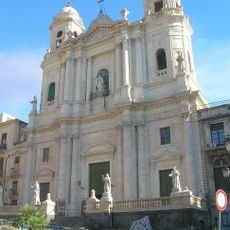
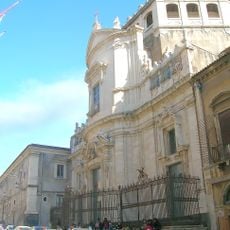
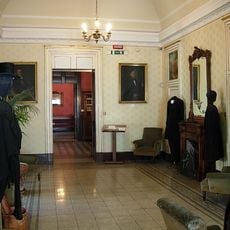
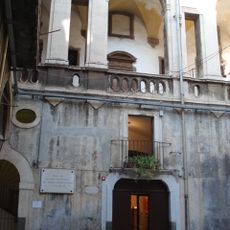
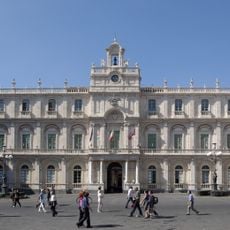
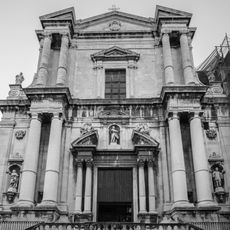
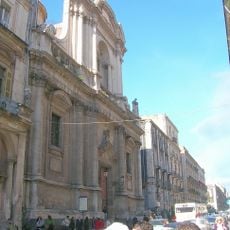
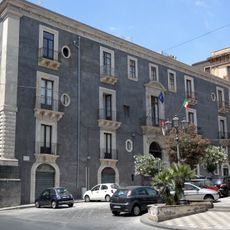
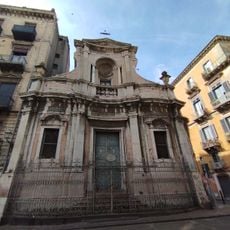
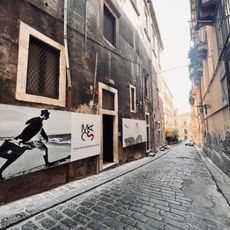
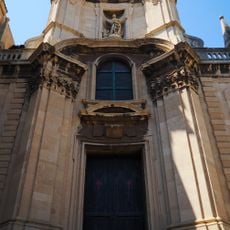
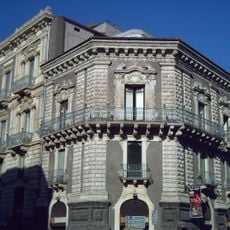
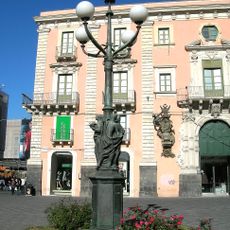
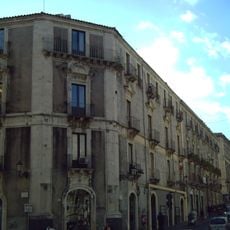
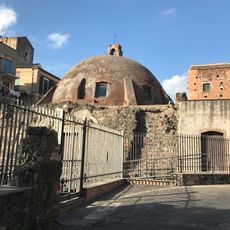
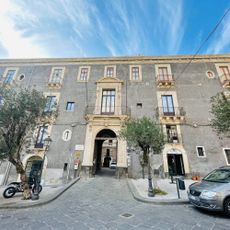
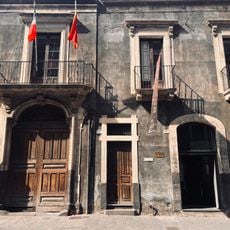
Collegio dei gesuiti, Baroque palace on Via dei Crociferi, Catania, Italy
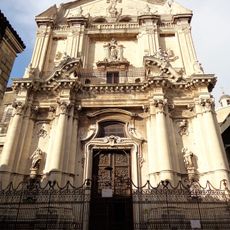
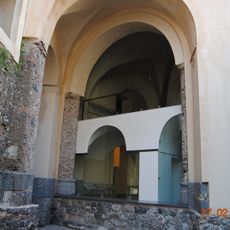
Collegio dei Gesuiti is an 18th-century Baroque palace on Via dei Crociferi, next to the Church of San Francesco Borgia. Its façade is reached by a staircase, and inside are four courtyards, including a cloister with a colonnaded loggia. The courtyard floor is paved with black and white pebbles laid in stripes, a pattern typical of Francesco Borromini.
The palace was rebuilt after the 1693 earthquake using local volcanic stone from the Catania region. Its construction was part of the broader recovery and redesign of eastern Sicily under Baroque principles.
The complex served as a teaching hub and reflects how the Jesuit order shaped education in the city through its physical design. You can sense how the building's layout directed daily life toward both learning and prayer.
The palace sits in Catania's old town surrounded by other historical sites, making it easy to visit multiple locations in one trip. Entry is arranged through guided tours during regular opening hours.
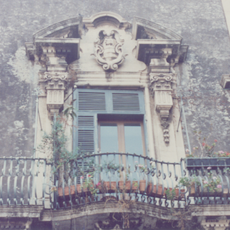
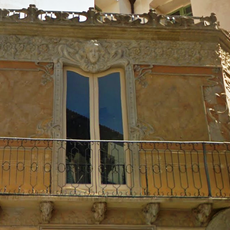
The third courtyard's access portal carries the date 1697 carved into it, and the grotto-style brackets of its balcony keep a Mannerist form. These survivals show that parts of the complex predate the 1693 Val di Noto earthquake and were reused in the Jesuit rebuilding.
The community of curious travelers
AroundUs brings together thousands of curated places, local tips, and hidden gems, enriched daily by 94,357 contributors worldwide.