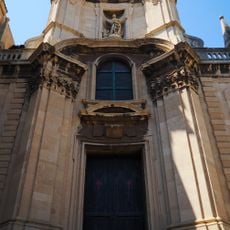
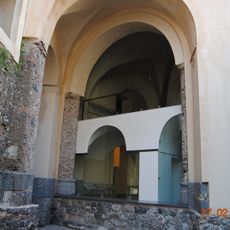
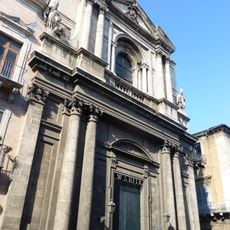
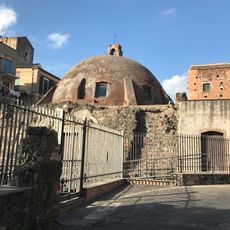
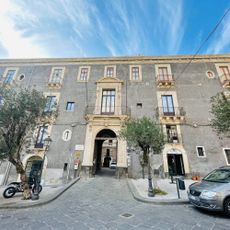
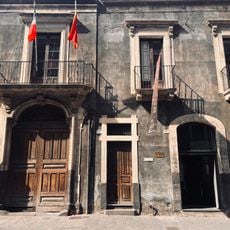
Terme della Rotonda, Roman thermal baths and archaeological park in Catania, Italy.
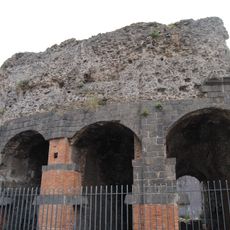
Terme della Rotonda is a Roman thermal complex in central Catania, Sicily, with the remains of nine distinct rooms that formed the ancient bathing facility. The visible structures show how water moved through different chambers to produce varying temperatures for the people who used them.
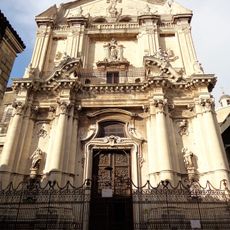
The baths date from the 1st–2nd century CE and were enlarged in the 3rd century, when Catania grew wealthier. They were abandoned and, towards the end of the 6th century, in the Byzantine era, a church was built on the ruins. The 1169 earthquake damaged the Byzantine chancel; the church was re-oriented east and a Gothic portal opened. A 16th-century limestone portal followed on the south wall.
The complex was later turned into a Byzantine church called Santa Maria della Rotonda, and medieval and baroque frescoes are still visible on the interior walls today. These paintings show how the space was used and shaped by different communities of worshippers over the centuries.
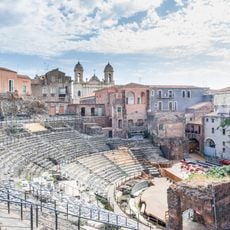
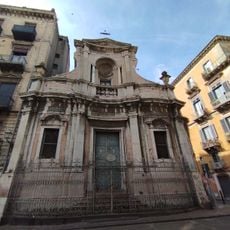
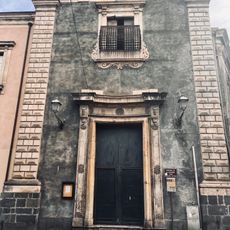
The site lies beside the Roman theatre and Odeon, and the 2004–2008 excavations opened nine bath rooms and tombs to view. The 2015 work exposed a castellum aquae and an entrance courtyard with exedras north of the church. The church has two entrances: a 16th-century limestone portal on the south wall and a 13th-century Gothic portal on the west wall.
Between the 9th and 16th centuries the grounds served as a cemetery, and many tombs are still visible among the ancient bath structures. This layering of different periods means that Roman and medieval remains literally sit side by side in the same space.
The community of curious travelers
AroundUs brings together thousands of curated places, local tips, and hidden gems, enriched daily by 94,086 contributors worldwide.