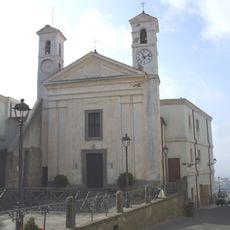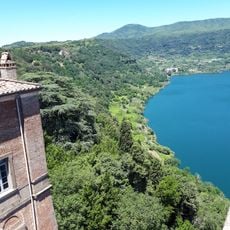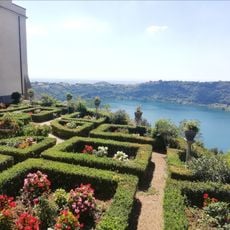
Lanuvium, Archaeological site in Latium, Italy
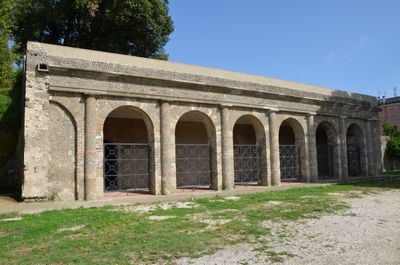
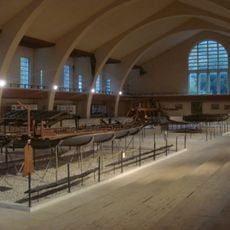
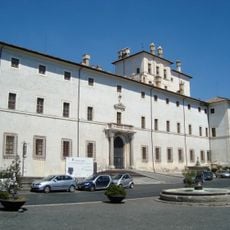
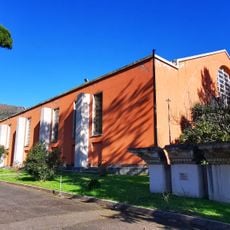
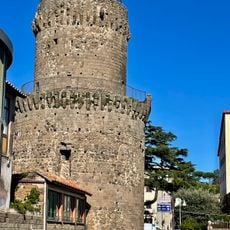
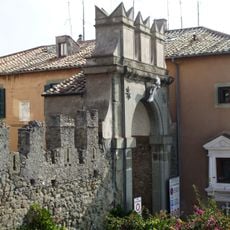
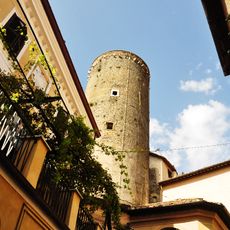
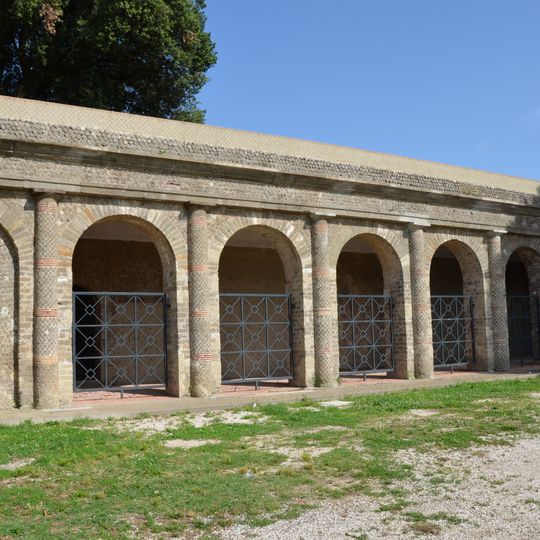
Lanuvium is an ancient Roman settlement in the Alban Hills southeast of Rome featuring exposed temples, fortifications, and residential structures across multiple excavation levels. The site preserves sections of city walls, four defensive towers, remains of the Ponte Loreto bridge, and a museum holding local archaeological finds.
The Latin settlement gained Roman citizenship in 332 BCE and later rose to prominence as a center producing two emperors of Rome. Antoninus Pius and Commodus both originated from this place and shaped the empire's trajectory.
The temple of Juno Sospita formed the religious heart of the settlement and drew worshippers from across Roman territories who left votive offerings as acts of devotion.
The site is walkable and easy to navigate, with clear paths connecting different sections of the excavations. Starting at the museum first provides helpful context before exploring the ruins and defensive structures.
Excavations in 2012 at Pantanacci uncovered a substantial collection of votive objects that revealed previously unknown details about ancient religious practices. These discoveries showed that devotees traveled from distant regions to express their faith through material offerings.
The community of curious travelers
AroundUs brings together thousands of curated places, local tips, and hidden gems, enriched daily by 60,000 contributors worldwide.