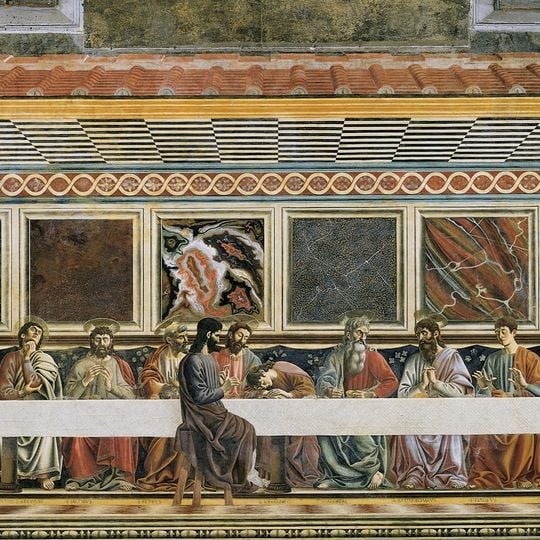
Last Supper, Renaissance fresco in Sant'Apollonia, Florence, Italy
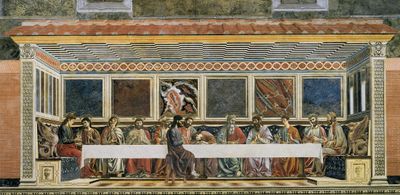
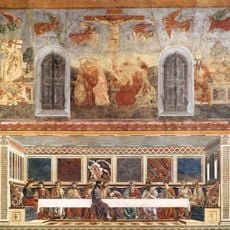
This wall painting by Andrea del Castagno covers the entire end wall of the former refectory and shows Jesus gathered with the twelve apostles at their final meal. The figures are arranged in a balanced composition that conveys both spatial depth and religious meaning.
The work was created during the High Renaissance and remained hidden under plaster for centuries until the closure of the Benedictine convent of Sant'Apollonia in the 19th century led to its rediscovery. This uncovering allowed art historians to attribute the work to Castagno and recognize its importance for the development of Italian painting.
The arrangement of the figures follows clear religious traditions, with Judas deliberately separated from the other apostles at the table. This composition helped viewers grasp the deeper meaning of the scene while they ate their own meals.
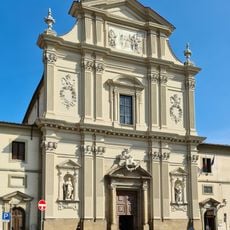
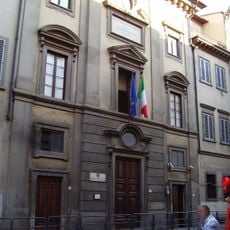
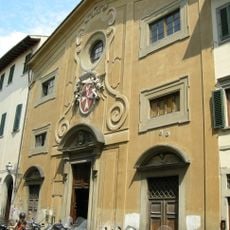
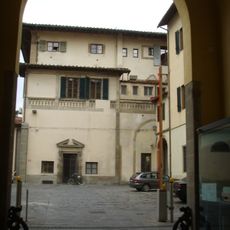
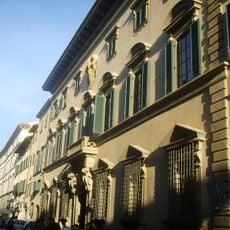
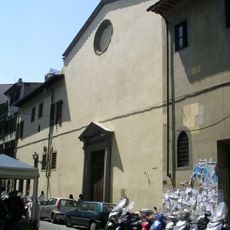
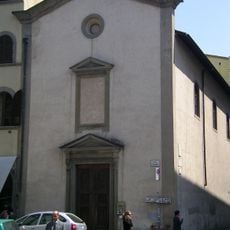
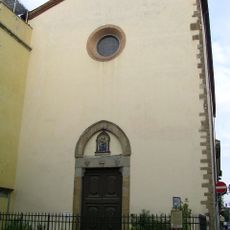
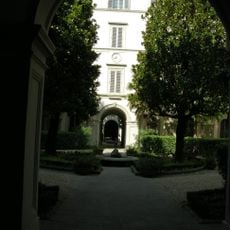
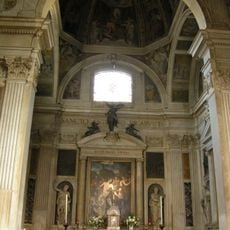
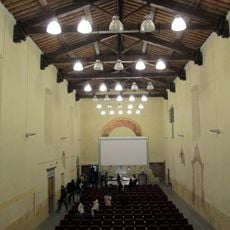
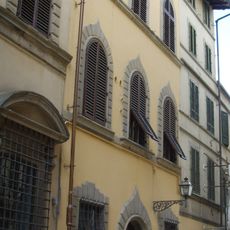
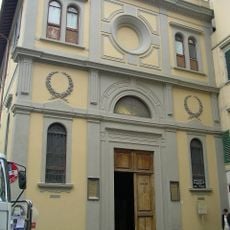
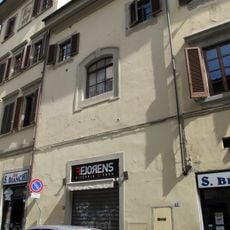
The work is housed in a former monastic refectory that is now open as a museum, situated in a quiet area next to a small church. Visitors should wear sturdy shoes and be prepared to enter a narrow space from above where the full height of the wall painting becomes visible.
The composition integrates classical Roman elements such as detailed marble line patterns and griffin figures into the religious scene. This shows how Renaissance artists merged antique architectural details with traditional biblical subjects to create a new artistic language.
The community of curious travelers
AroundUs brings together thousands of curated places, local tips, and hidden gems, enriched daily by 92,015 contributors worldwide.