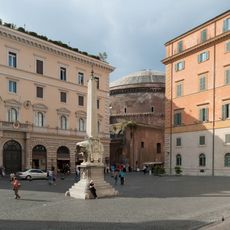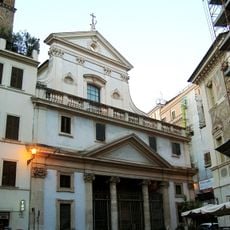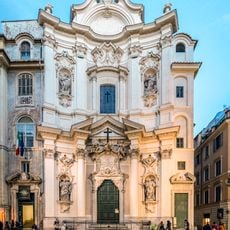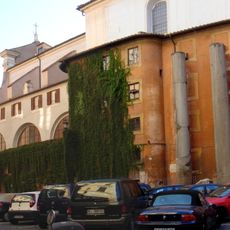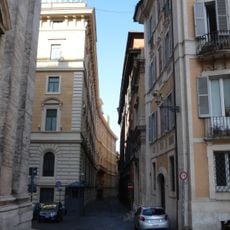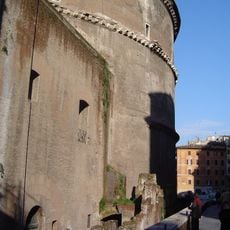
Piazza della Rotonda, square in Rome
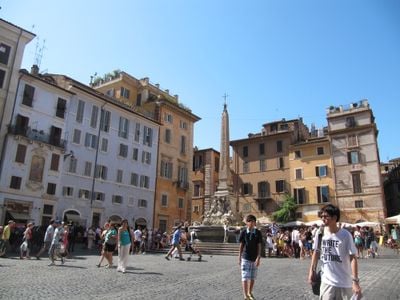
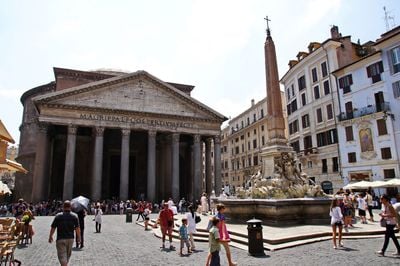
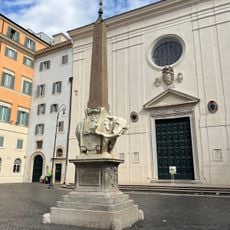
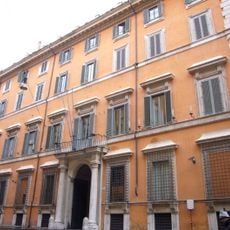
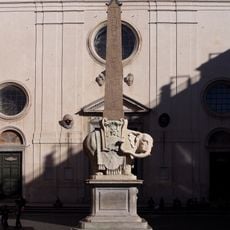
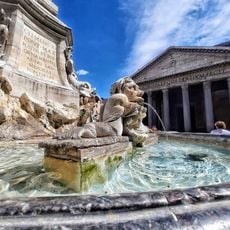
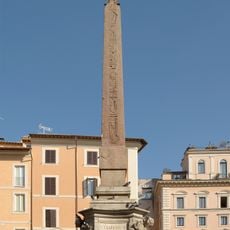
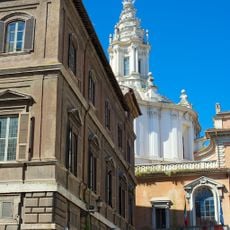
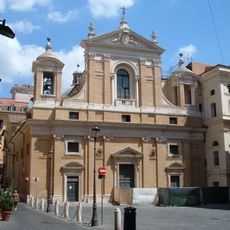
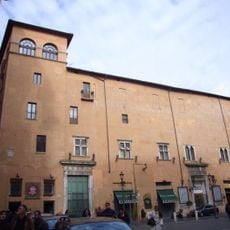
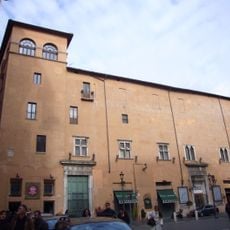
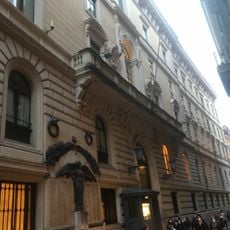
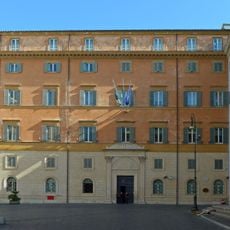
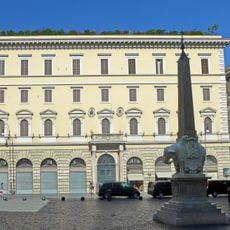
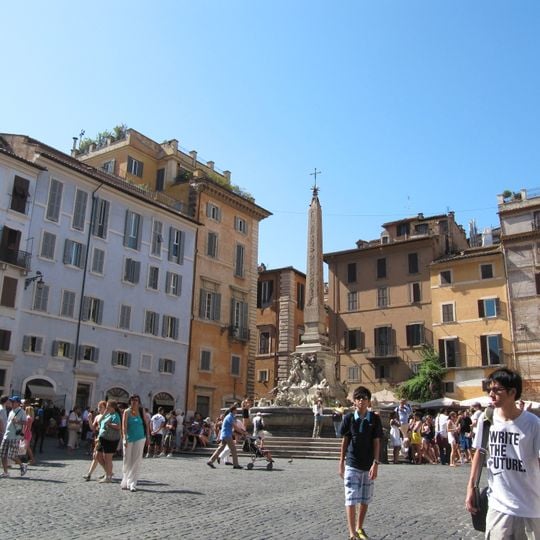
Piazza della Rotonda is a small public square in the heart of Rome surrounded by buildings from the 17th and 18th centuries, with a fountain from the late 16th century standing in its center. The fountain was designed by Giacomo della Porta and features an obelisk from the time of Ramses II that was added in the 18th century.
Pope Eugenius IV (1431–39) had the medieval sheds and shops around the Pantheon's columns cleared and the piazza laid out and paved. The fountain was built in 1575 by Giacomo della Porta under Gregory XIII, and in 1711 Clement XI had Filippo Barigioni top it with the Macuteo obelisk. The square served as a fish and vegetable market until 1847 despite repeated bans by the pontifical authorities.
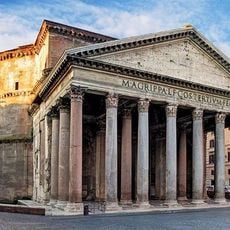
Romans nicknamed the Pantheon "la Rotonna", and the square's name comes from that popular form rather than from the church title Santa Maria Rotonda. Until 1847 the piazza hosted a fish and vegetable market despite repeated bans by the papal authorities, and in the 19th century bird-sellers arrived with caged parrots, nightingales and owls.
The square is easily reached on foot or by public transport and lies near several major monuments in Rome. The best times to visit are early morning or late afternoon when crowds are smaller and the light is gentler.
The obelisk in the fountain comes from a temple of Ramses II and was found nearby in the 14th century. The poet Torquato Tasso once lived in a building on the square, linking this place to Italy's literary history.
The community of curious travelers
AroundUs brings together thousands of curated places, local tips, and hidden gems, enriched daily by 92,740 contributors worldwide.