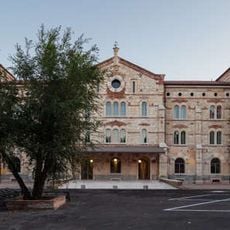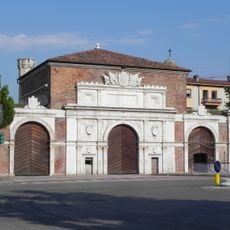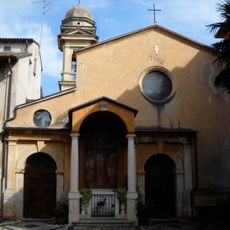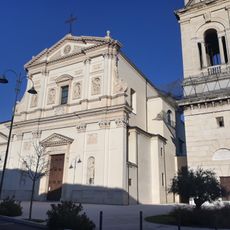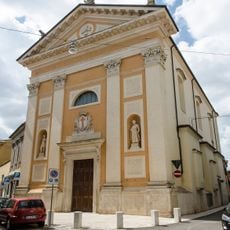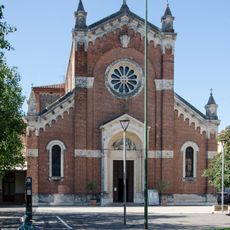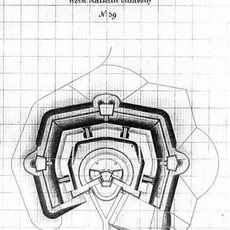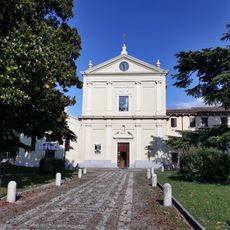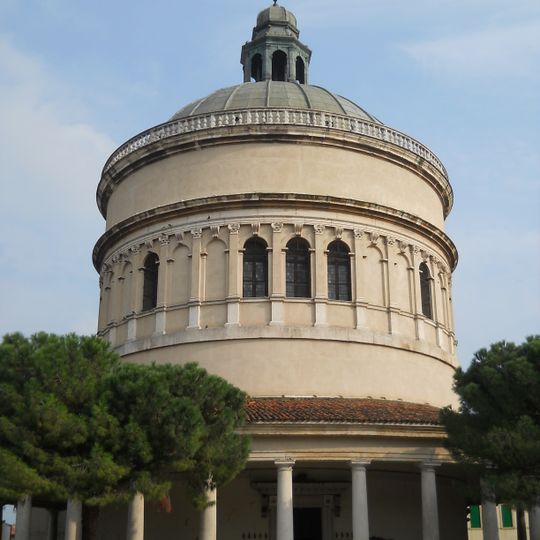
Madonna di Campagna, Minor basilica in Verona, Italy.
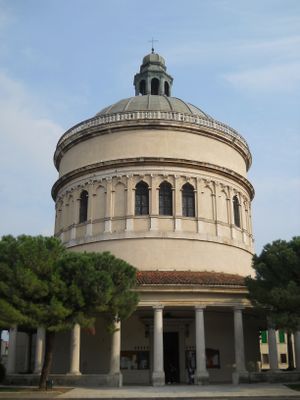
The Madonna di Campagna is a Renaissance shrine in Verona featuring an octagonal interior plan that contrasts with its circular exterior form, supported by Tuscan columns at three covered entrances. The compact yet well-proportioned design creates distinct spaces for worship and devotion.
Construction began in 1559 under architect Michele Sanmicheli and was completed in 1589, with Bernardino Brugnoli and Francesco Ronzani contributing significantly to the project. The building reflects the architectural confidence of the Renaissance period.
The shrine was built following a reported apparition of the Virgin Mary, drawing pilgrims who continue to seek spiritual connection at this location. Local devotion to this place runs deep through generations of visitors and worshippers.
The shrine is open to visitors and works well for those interested in Renaissance architecture or spiritual sites, with access available when services are not in progress. Quiet times allow for peaceful observation of the interior spaces without distraction.
The building features two domes: a large eight-segment dome above the interior drum and another covering the presbytery, creating a rare double-dome structure. This dual arrangement creates visual complexity that plays against the orderly Renaissance design in unexpected ways.
The community of curious travelers
AroundUs brings together thousands of curated places, local tips, and hidden gems, enriched daily by 60,000 contributors worldwide.