Porta Vescovo, Verona, City gate in Verona, Italy
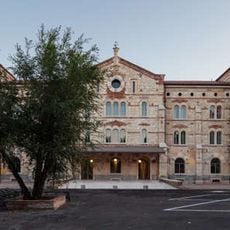
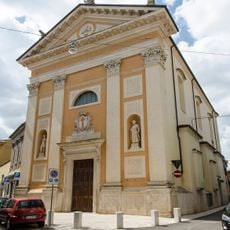
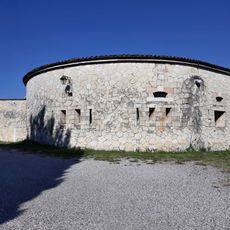
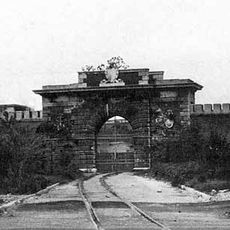
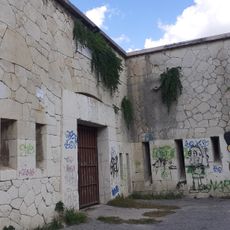
Porta Vescovo is a gate on Verona's magistral walls, on the left bank of the Adige. Its 1520 Renaissance front toward the countryside keeps a central triumphal arch and two small side portals in smooth white stone of Doric order; the 19th-century additions added two large lateral arches and neoclassical turrets. The city side is clad in tuff and brick in Rundbogenstil, with hanging arches and polygonal merlons.
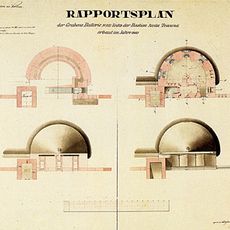
The first gate was built between 1287 and 1289 under Alberto della Scala. In 1520 a new gate replaced it, traditionally attributed to Giovanni Maria Falconetto, not Teodoro Trivulzio. The Imperial Royal Fortifications Office enlarged it between 1840 and 1850 and heavily transformed it between 1862 and 1863 to a design by Anton Naredi Reiner.
The gate shows the clean lines and stone detailing typical of Renaissance design, with a central arch that frames the road passing through it. Locals and visitors alike use it as a daily crossing point, giving it a living presence in the city rather than a purely ceremonial one.
The gate sits right next to Verona Porta Vescovo train station, making it easy to reach on foot from the platform. From there, the historic center is a short walk away, and stretches of the old city walls are visible along the route.
The origin of the name is uncertain: one explanation links it to the toll rights the Bishop of Verona held in the communal age over goods entering the city through this gate; another holds that bishops arriving from Venice passed through it under Venetian rule. The gate also gave its name to Verona's first railway station, opened in 1847 nearby.
The community of curious travelers
AroundUs brings together thousands of curated places, local tips, and hidden gems, enriched daily by 92,789 contributors worldwide.