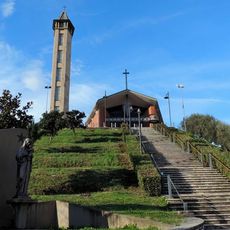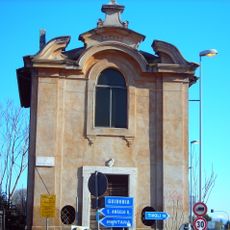
Catacombs of Sant'Alessandro, Early Christian catacombs on Via Nomentana, Rome, Italy
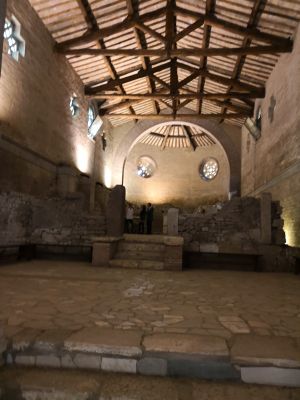
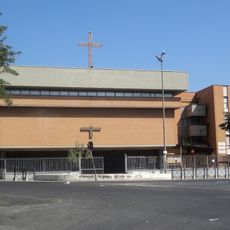
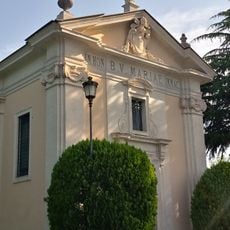
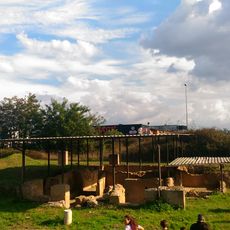
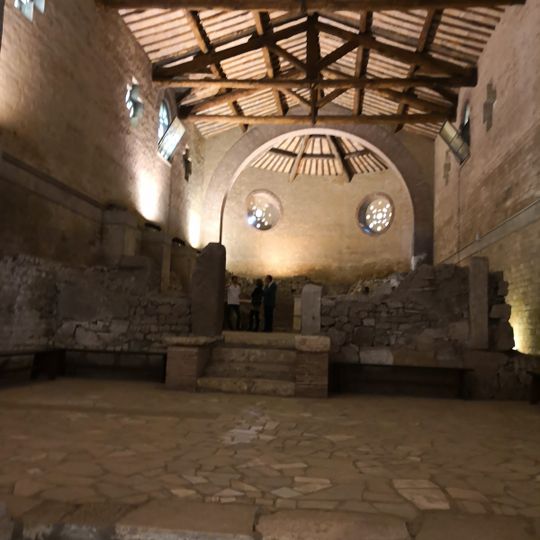
The Catacombs of Sant'Alessandro lie at the seventh mile of Via Nomentana and were uncovered by archaeological excavations in 1854, together with the remains of a martyr basilica. The galleries develop on a single floor. The basilica was built at the start of the 5th century by Urso, bishop of Nomentum, during the time of Pope Innocent I, and includes an entrance atrium, two rooms with the tombs of the three martyrs and various funerary structures.
The burial ground began in the 2nd century and was used as a cemetery until the 5th century, when Roman law prohibited burials within the city. These underground spaces were created during a time when early Christianity was spreading throughout Rome.
The burial chambers display early Christian symbols and inscriptions on gravestones that reflect the faith of the ancient community. Visitors can still see these religious marks on the walls today and get a sense of personal prayers and names of the deceased.
The complex lies at the seventh mile of Via Nomentana, northeast of the Aurelian Walls, in the zone named Sant'Alessandro after it. The catacomb galleries occupy a single level, so the visit stays on one floor. The site was uncovered by excavation in 1854, and the basilica and catacombs were heavily damaged in the Greek-Gothic War.
The dedication to Alexander comes from an inscription found inside the complex naming him with his companions Eventius and Theodulus, all three probably killed in Diocletian's persecution, though another reading places their deaths in 116 under Trajan. The complex gave its name to the surrounding neighbourhood.
The community of curious travelers
AroundUs brings together thousands of curated places, local tips, and hidden gems, enriched daily by 94,406 contributors worldwide.