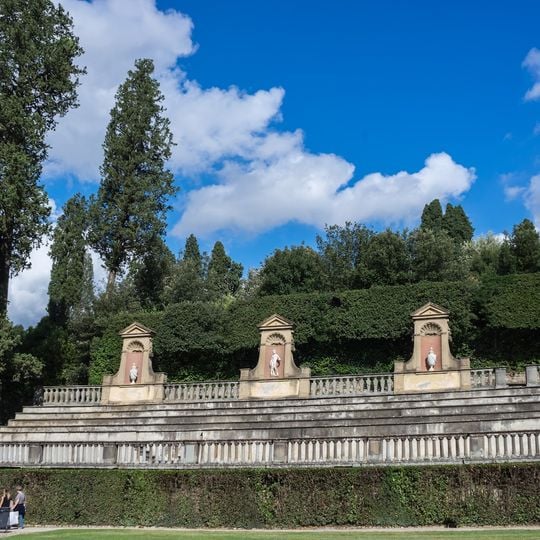
Artichoke Fountain, Fountain in the Boboli Gardens, Florence, Italy
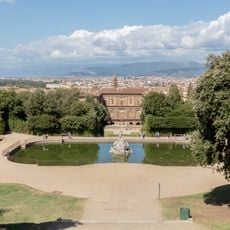
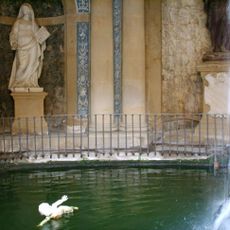
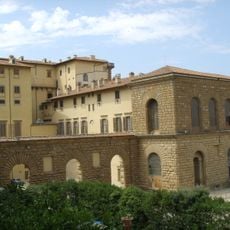
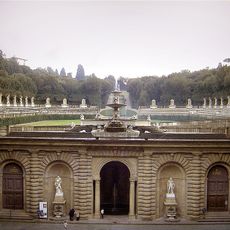
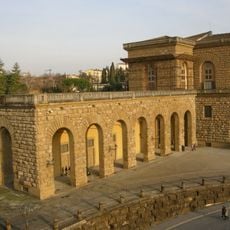
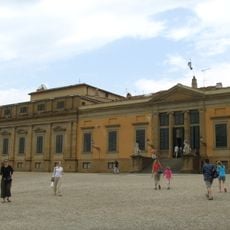
The Artichoke Fountain (Fontana del Carciofo) is a 17th-century fountain set on a terrace of Palazzo Pitti in Florence, facing the Ammannati courtyard. Its octagonal limestone basin has white marble corners and supports a candelabrum-shaped structure in the center, with grey granite bowls, inlaid marble, and figures of Tritons and Nereids.
The fountain was built between 1639 and 1641 by Giovan Francesco Susini, Francesco del Tadda, and Andrea di Michelangelo Ferrucci, on the orders of Grand Duke Ferdinando II of Tuscany. It replaced an earlier Juno fountain by Bartolomeo Ammannati, and several of its sculptures came from other garden features that were dismantled at the time.
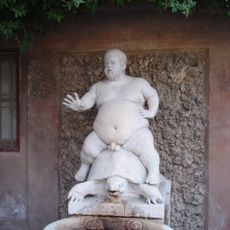
The name Fontana del Carciofo comes from the layered, leaf-like forms of the central sculpture, which call to mind a real artichoke plant. Around the basin, small marble figures of putti sit on shells, turtles, and swans, giving the fountain a playful quality that visitors can appreciate up close.
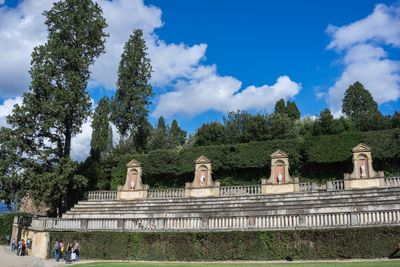
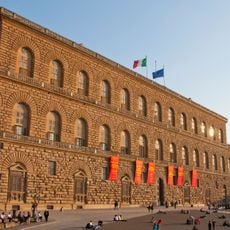
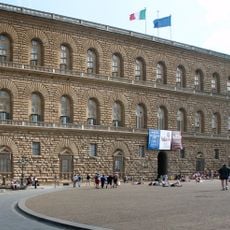
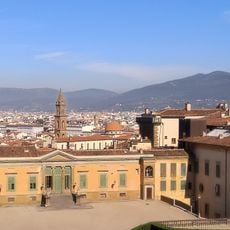
The fountain sits on the terrace of Palazzo Pitti, above the Grotto of Moses, and is reached through the Boboli Gardens entrance. Going in the morning or late afternoon makes it easier to look closely at the sculpted figures without too many people around.
Originally, the fountain was topped with a bronze lily that served as the water spout and gave the structure its first name. That bronze flower is no longer there, which is why early documents refer to the fountain under a different name than the one visitors know today.
The community of curious travelers
AroundUs brings together thousands of curated places, local tips, and hidden gems, enriched daily by 60,000 contributors worldwide.