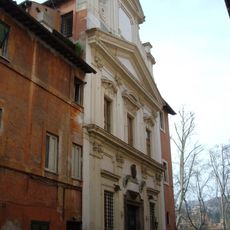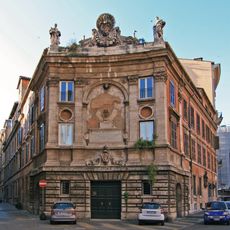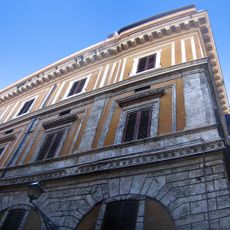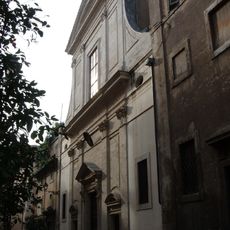
San Giovanni dei Fiorentini - Museum, Sacred art museum in Rome, Italy
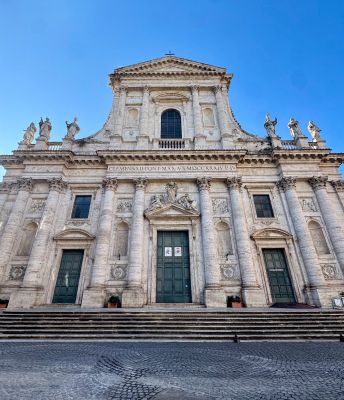
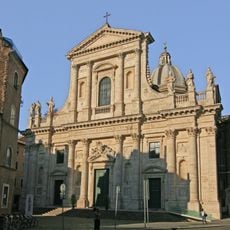
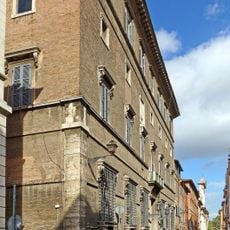
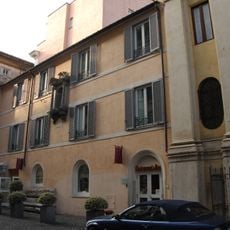
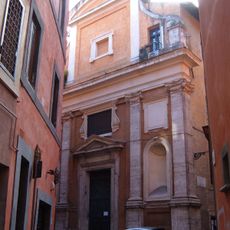
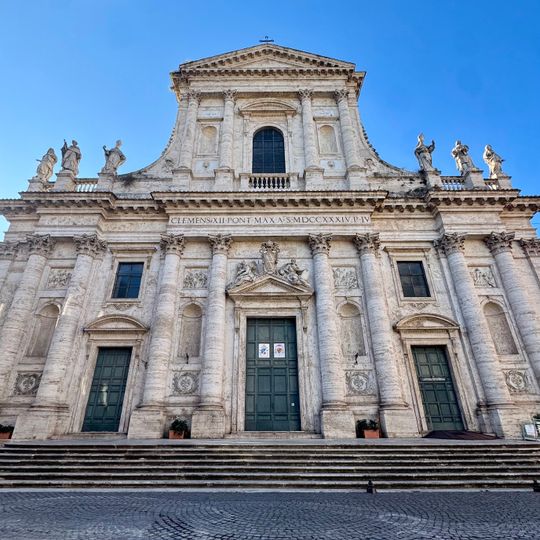
The Museo di arte sacra San Giovanni de' Fiorentini occupies converted spaces of the Basilica of San Giovanni Battista dei Fiorentini, including the attic above the right nave, at Via Acciaioli 2. Its galleries, levelled by wooden-floored floors, keep the original timber trusses visible, and skylights light the rooms. It is reached from the church or from the independent entrance of the Palazzo dell'Arciconfraternita della Pietà dei Fiorentini.
The museum opened in 2001 after three years of work, converting hidden spaces such as the attic of the church's right nave; it was the first museum created after the establishment of the Roman museum pole. Its collection gathers works from the church and from the Oratory of Sant'Orsola della Pietà and the Hospital of the Nation, demolished between the late 19th and early 20th centuries during urban clearances. Restoration of the busts of Antonio Coppola and Antonio Cepparello uncovered documents attributing them to Giovan Lorenzo Bernini.
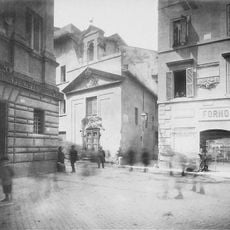
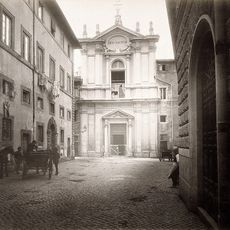
The museum keeps the memory of the Florentine nation's social and devotional life in Rome: its works came from the church, the Oratory of Sant'Orsola della Pietà and the Ospedale della Natione, demolished between the late 19th and early 20th century. The collection includes a 12th-century English bronze bell by Magister Petrus and a silver reliquary of the foot of Mary Magdalene whose base is attributed to Benvenuto Cellini.
The museum is reached from inside the Basilica of San Giovanni Battista dei Fiorentini or through the independent entrance of the Palazzo dell'Arciconfraternita della Pietà dei Fiorentini, at Via Acciaioli 2. Its rooms occupy the attic over the church's right nave, connected by level floors laid with wood decking, with the original timber trusses left visible and skylights giving daylight.
The museum's best-known piece, a marble San Giovannino, was reattributed to the young Michelangelo during restoration; it now stands on a base designed by sculptor Gino Giannetti. Restorers also found original documents confirming two busts as works by Gian Lorenzo Bernini.
The community of curious travelers
AroundUs brings together thousands of curated places, local tips, and hidden gems, enriched daily by 92,842 contributors worldwide.