Mercato delle vettovaglie, Covered market hall in Livorno, Italy
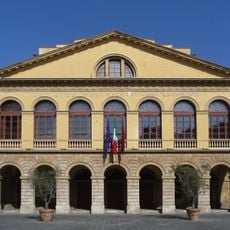
Mercato delle Vettovaglie is a covered market hall in Livorno built with metal trusses, glass ceilings, and large arched windows typical of Neoclassical design. Inside, separate sections are dedicated to fresh produce, seafood, meats, and local products.
The market was designed by Angiolo Badaloni and built between 1889-1890 and 1894, promoted by mayor Nicola Costella as one of Livorno's major post-Unification public works. It rose on the site of the former Medici fortifications, later occupied by an arena for daytime shows. Its size and cost of about 4 million lire drew criticism at the time.
The caryatids inside the main hall were carved by Lorenzo Gori; the source places them in the interior, not on the facades. The hall is lit by a skylight made by the Gambaro firm, restored after the 1943 bombings, and roofed by floral-patterned metal trusses about 35 metres above the floor.
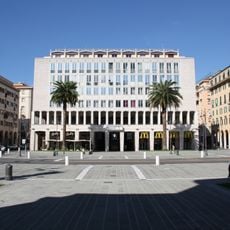
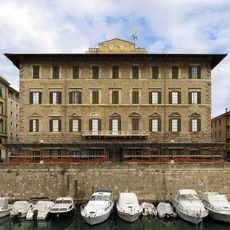
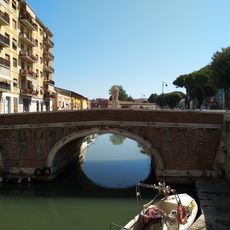
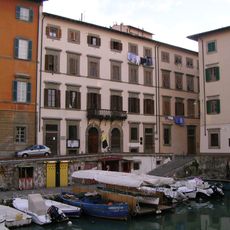
The main front on the Fosso Reale is 95 metres wide, with four columns framing the entrance; the smaller and rear facades face Via Buontalenti. The two side halls held the fish trade, with 22 marble counters, and the sale of vegetables, eggs and poultry. The basement warehouses, 92 cellars, connect directly to the Fosso Reale and reach street level by ramps.
According to the Livorno painter Filippelli, around 1909 Amedeo Modigliani rented a large room on the upper floors of the market, at the corner of via Gherardo del Testa, and carved stone heads there. It is said that on his return to France these works were thrown into the Fosso Reale, where in 1984 some fake heads made by young Livorno residents were found.
The community of curious travelers
AroundUs brings together thousands of curated places, local tips, and hidden gems, enriched daily by 94,617 contributors worldwide.