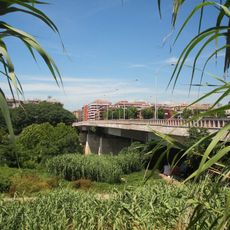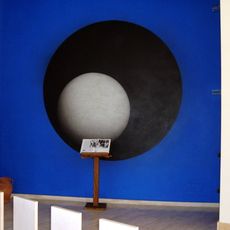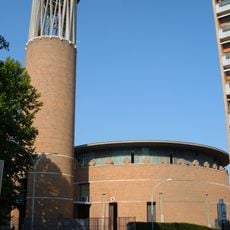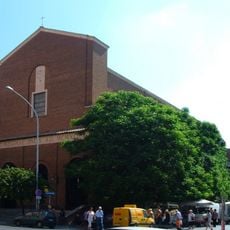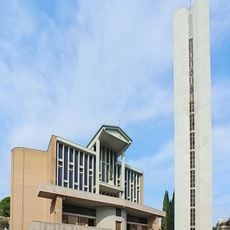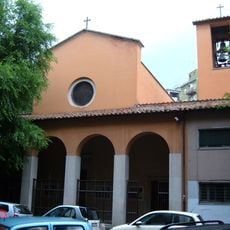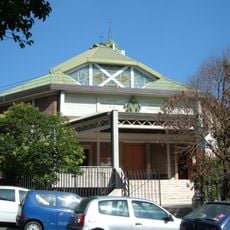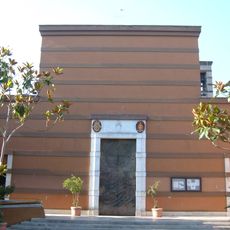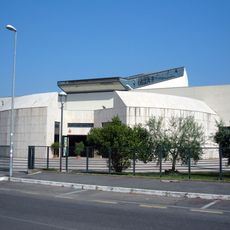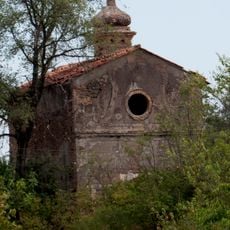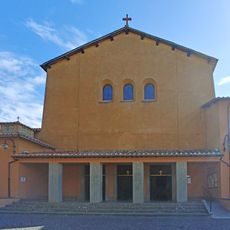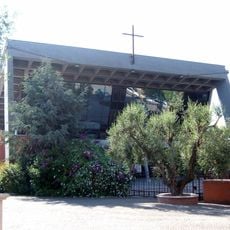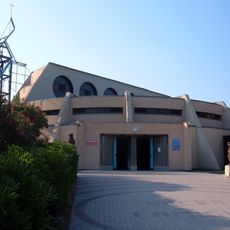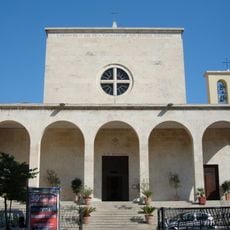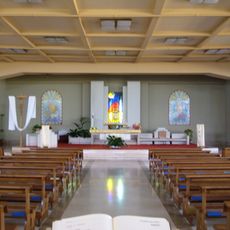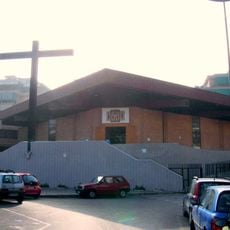
Ospedale Carlo Forlanini, former hospital in Rome
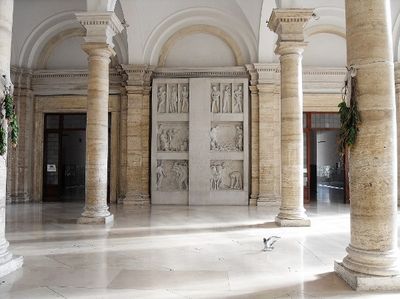
The ospedale Carlo Forlanini is a large hospital complex in Rome that opened in 1934 and sprawls across extensive grounds with multiple wings, laboratories, surgical areas, and rehabilitation spaces. The buildings are arranged in a horseshoe shape designed to allow fresh air and sunlight to reach each patient room, with wide walkways connecting the various sections.
The facility was built in the early 1930s and named after Carlo Forlanini, a physician who invented a method to help people with lung problems. It became Europe's largest center for treating lung diseases and played a key role in fighting tuberculosis until antibiotics like penicillin revolutionized treatment outcomes, causing the hospital to shift its functions over time.
The hospital was more than a medical facility - it functioned as a small city within Rome, complete with theaters, cinemas, and reading rooms where patients could find comfort during recovery. These spaces reflect how society in the 1930s understood healing as a holistic process that went beyond mere medical treatment.
The facility has been closed since 2015 and stands largely vacant, with many rooms lacking water or electricity, making access difficult. Visitors should exercise caution as the structure is in decay and a phone light is needed to navigate the dark interior spaces.
The hospital was officially opened in 1934 by Italian leader Benito Mussolini, and two years later King Vittorio Emanuele III and Queen Elena visited, underscoring its national significance. Photographers like Guido Gazzilli later documented the facility's decay after closure, capturing how nature gradually reclaims concrete and steel.
The community of curious travelers
AroundUs brings together thousands of curated places, local tips, and hidden gems, enriched daily by 90,885 contributors worldwide.