Palazzo Giacomo Lomellini, UNESCO World Heritage palace in Genoa, Italy
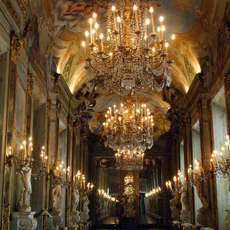
Palazzo Giacomo Lomellini at Largo Zecca 2 was rebuilt between 1619 and 1623 by Giacomo Lomellini, later Doge of Genoa, merging two family properties. Its plan and facade pursue ostentatious symmetry, and a triforium courtyard forms a regal entrance ending at a small nymphaeum, now lost but partly visible in the Rubens edition.
Construction took place between 1619 and 1623 under the commission of Giacomo Lomellini, who later served as Doge from 1625 to 1627. The palace was built during a period when Genoa was consolidating its power and prosperity through trade and political alliances.
The interior walls feature frescoes by Domenico Fiasella showing scenes from the story of Esther, reflecting political struggles and external pressures that shaped Genoese leadership. These painted scenes serve as a visual record of the conflicts and negotiations that defined the republic's power dynamics.
The building has served as military headquarters since 1945 and is not open to the public. Visitors can view the facade and exterior from Largo Zecca to appreciate the palace's architectural features from the street level.
The corner removed to widen the street between Largo della Zecca and Piazza della Nunziata was cut after the Municipality of Genoa bought the palace from Fausto Patrone in 1897, not in 1927. The 1923 work by Antonio Orazio Quinzio instead walled the loggia courtyard, adding two columns and new vaults.
The community of curious travelers
AroundUs brings together thousands of curated places, local tips, and hidden gems, enriched daily by 93,924 contributors worldwide.