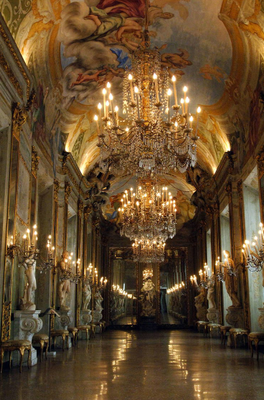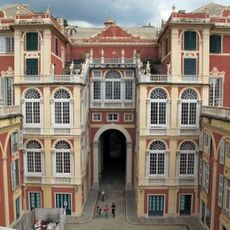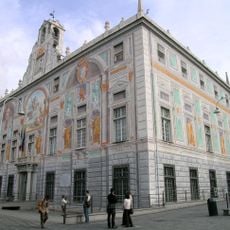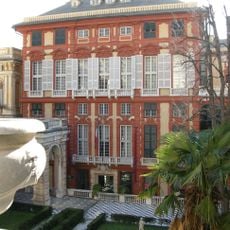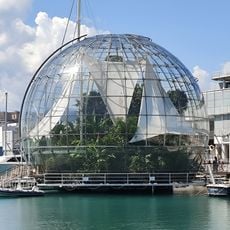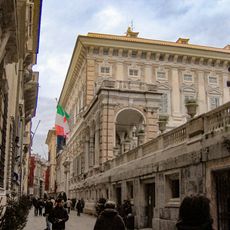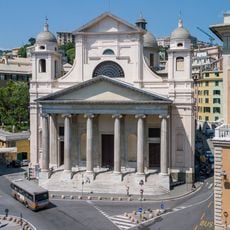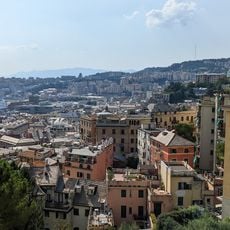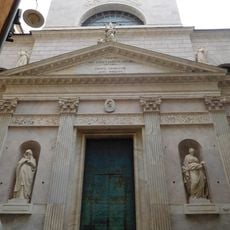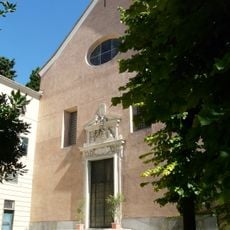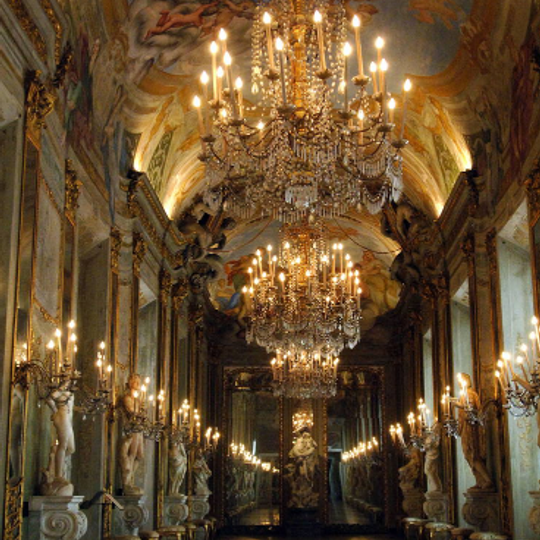
Genoa: Le Strade Nuove and the system of the Palazzi dei Rolli, Renaissance palaces in Via Garibaldi, Genoa, Italy
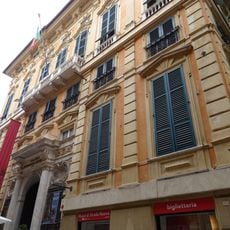
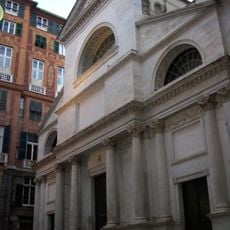
Le Strade Nuove comprises Via Giuseppe Garibaldi (1558–1583, formerly Strada Nuova), Via Balbi (1602–1620) and Via Cairoli (1778–1786), lined with late-Renaissance and Baroque palaces of three or four floors. Their stepped atrium, courtyard, staircase and garden layout, with open loggias, was published by Rubens in his 1622 Palazzi di Genova. Forty-two of the 163 Rolli palaces form the UNESCO site listed in 2006.
These streets and palaces emerged in the 16th century as Genoa sought to consolidate its power as a trading republic and wealthy families built new residential districts. The city established a new urban planning model that influenced European city development.
The name "Rolli" comes from the lists drawn up by the Genoese Senate from 1576, on which palaces were entered by category and assigned to state guests by public lottery. Rubens published his Palazzi di Genova in Antwerp in 1622, using these residences as models of the ideal gentleman's house. Stendhal, visiting almost three centuries later, complained of the difficulty of entering the noblest homes.
The best viewpoints and starting points lie along the main streets, which are easy to explore on foot. Many of these buildings now house museums or public spaces, though some areas may have restricted access times.
The 'rolli' system was a registry that determined which palace would host each visitor based on rank and importance. This made hospitality a matter of public order that the state carefully managed.
The community of curious travelers
AroundUs brings together thousands of curated places, local tips, and hidden gems, enriched daily by 92,834 contributors worldwide.