Castle of Badia, Medieval castle in Poggibonsi, Italy
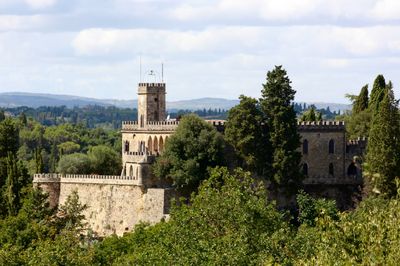
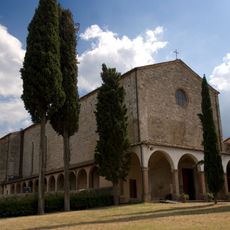
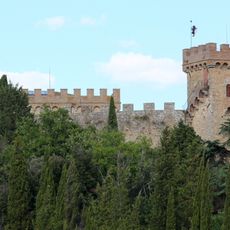
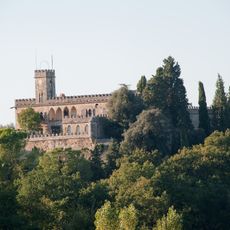
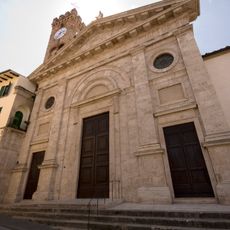
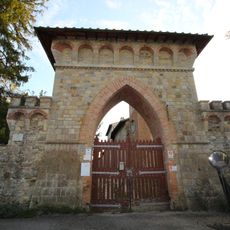
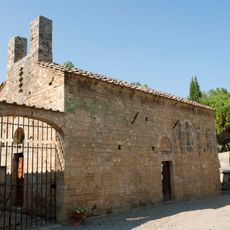
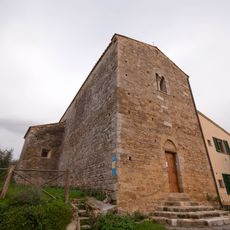
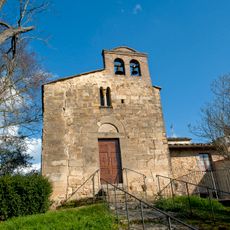
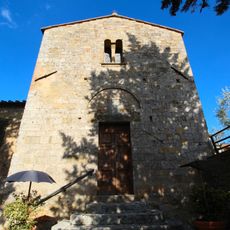
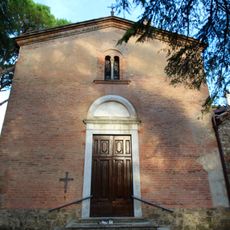
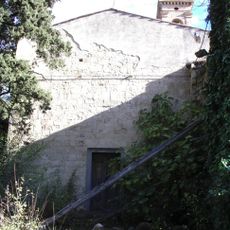
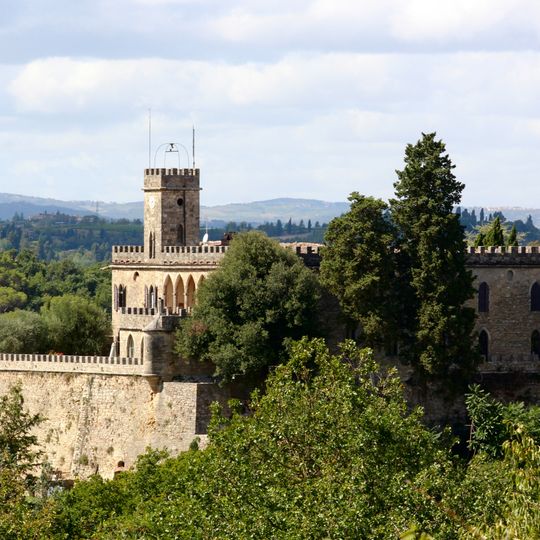
The castle of Badia is a fortified structure perched on elevated terrain with stone walls, multiple towers, and building elements spanning different historical periods. The varied construction phases have created a structure where several architectural styles coexist within the same complex.
The first mention of the complex dates to a document of 25 July 998, when Ugo II of Tuscany gave the abbot Bonomio the adjacent castle of Marturi and scattered holdings. Some scholars consider the act a later forgery. The monks held the castle until the 15th century; in 1479 troops from Poggio Imperiale destroyed much of its walls. In 1886 Marcello Galli Dunn bought the ruins and rebuilt a neo-Gothic castle, finished in 1896.
The abbey's name survives in the castle's name, and the complex grew around a monastery dedicated to Saint Michael the Archangel, first documented on 25 July 998 when Ugo II of Tuscany gave the abbot Bonomio the neighbouring castle of Marturi. In 1444 Pope Eugene IV united the abbey with the Florentine convent of Santa Brigida al Paradiso, ending its independence. The 11th-century Breviary of Poggibonsi, now in the Medicea Laurenziana library, is a surviving trace of the monastery's artistic wealth.
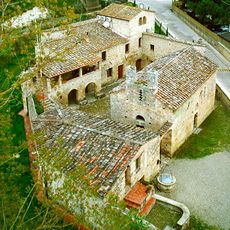
The property operates today as an agricultural business while preserving its historical structures. Visitors should expect that parts of the grounds remain active work areas for food and wine production.
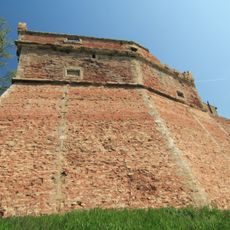
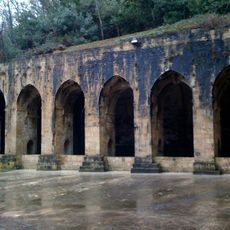
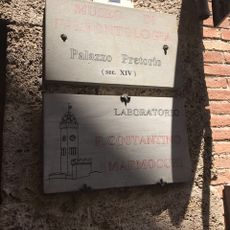
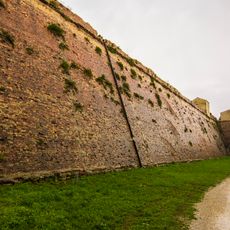
The cloister and part of the wall base are the only substantial original elements left after the 1479 attack from Poggio Imperiale and the long neglect that followed. The rest of the complex, including the U-shaped main building and its clock tower, dates to Marcello Galli Dunn's neo-Gothic rebuilding, finished in 1896 and marked by a commemorative plaque.
The community of curious travelers
AroundUs brings together thousands of curated places, local tips, and hidden gems, enriched daily by 92,993 contributors worldwide.