Archaeological park of Poggibonsi, Archaeological museum and historical site in Poggibonsi, Italy
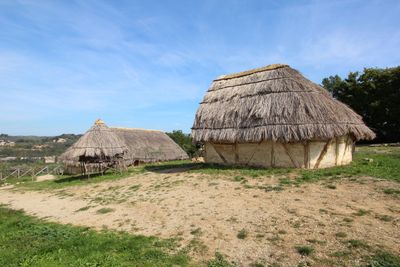
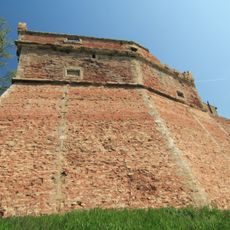
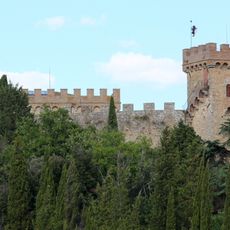
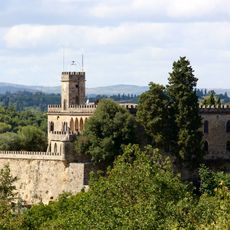
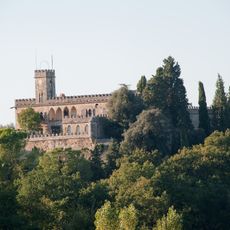
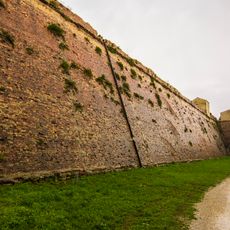
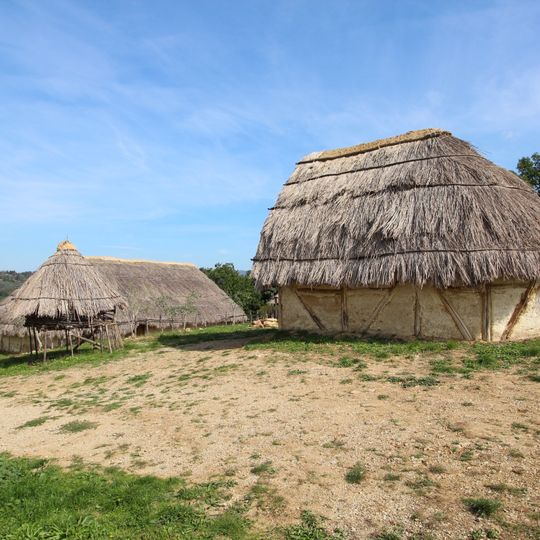
The Archaeological Park of Poggibonsi occupies the summit of Poggio Imperiale, encircled by the walls of the Fortezza di Poggio Imperiale, a defensive work built in 1472 for Lorenzo de' Medici. Inside, the park contains the excavated remains of a high medieval village and the 1:1 reconstruction of a Carolingian curtis at the Archeodromo, Italy's first open-air museum devoted to the early Middle Ages. A panoramic walkway along the fortress walls links the excavation areas and their information panels.
The hill was occupied from the 5th–6th century AD, evolving from an Ostrogothic-phase settlement into a Carolingian curtis in the 9th–10th century. Poggio Bonizio, founded in 1155 and destroyed in 1270, was followed by the Fortezza di Poggio Imperiale, designed by Giuliano da Sangallo for Lorenzo de' Medici and dated 1472. Excavations from 1993 to 2009 uncovered these layers.
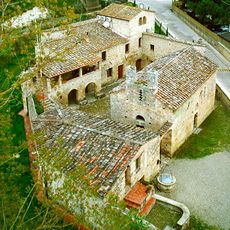
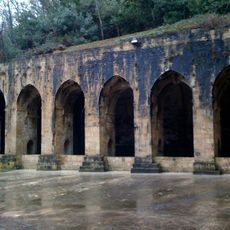
The name comes from Poggio Imperiale, the hill where the site stands, and the grounds show how people lived here across many centuries. Visitors see reconstructed buildings and fortifications that give insight into daily life during different periods.
The park has regular opening hours, and a good network of paths leads across the grounds with information boards to help with orientation. Comfortable shoes matter since you walk through hills and over old stone foundations.
One section called the Archeodromo features a full-scale recreation of a 9th-century village where people in historical clothing demonstrate how life unfolded there. This living reconstruction makes past times directly experienced rather than simply explained.
The community of curious travelers
AroundUs brings together thousands of curated places, local tips, and hidden gems, enriched daily by 94,680 contributors worldwide.