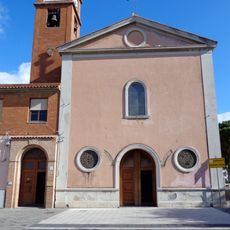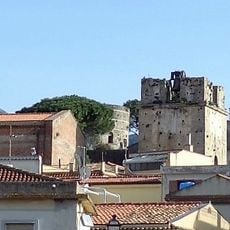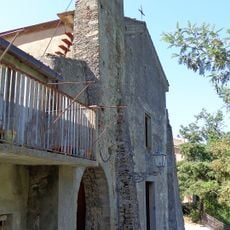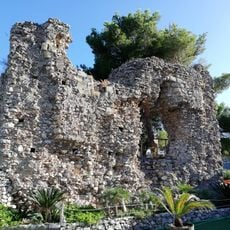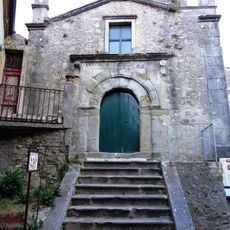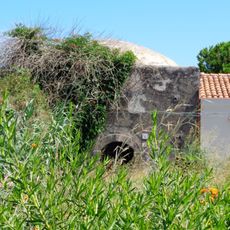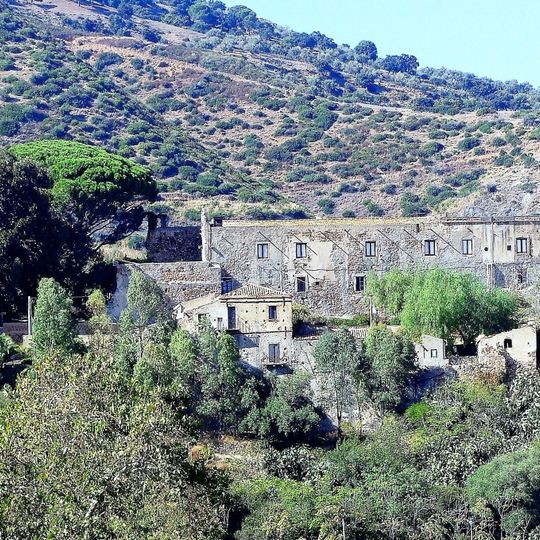
Castello di Oliveri, Castle in Oliveri, Italy
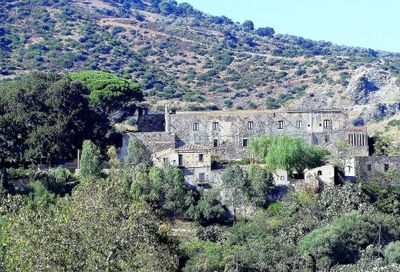
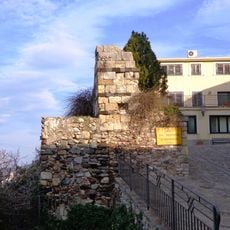
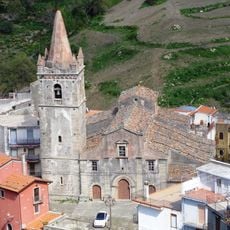
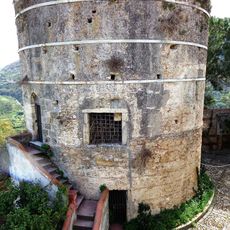
Castello di Oliveri, also called Labiri or Liviri, is a fortification set on a low hill in Oliveri, in the metropolitan city of Messina. It stands above the coastal plain near Tindari and the historic tuna traps (tonnare) it was built to control. The sources record no courtyard or Aragonese tower; they describe a fortress documented from the 12th century.
The castle, called Labiri by the geographer Idrisi, was built in the 12th century under the Great Count Roger and documented after 1145. A feudal holding between the Secrezia di Patti and the Vallo di Milazzo, it passed through the Gioeni and Ardoino families; in 1622 Vincenzo La Grua Talamanca held castle, tonnara and trappeto. Nearby Belvedere, an Arab-era fortification of 1038-1043, served as its prison.
The name appears in medieval forms Labiri, Liviri and Liveri; the Arab geographer Idrisi, writing for Roger II after 1145, described Labiri as a fine casale with a great castle on the shore, houses, good arable land, perennial streams turning mills, and a harbour with abundant tuna fishing. The castle and its tonnara stayed in the same hands for centuries, passing by marriage from the Gioeni to the Ardoino in 1542 and by dowry to Francesco Ardoino in 1608.
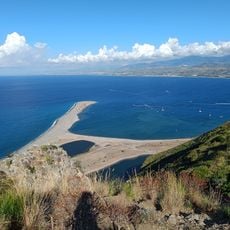
The castle sits on a low hill above Oliveri, near the road that leads toward the Tindari promontory; the site is reached on foot from the village. The sources record no opening hours or guided visits, so check locally before climbing up. The position overlooks the historic tonnare and the sea approach below.
The castle controlled the historic tonnare documented in the Arab-Norman period, and in 1398 Raimondo de Xamer held it together with the tonnara below. A medieval tonnara at Oliveri is recorded in 1148, and a 1622 owner, Vincenzo La Grua Talamanca, held castle, tonnara and trappeto together.
The community of curious travelers
AroundUs brings together thousands of curated places, local tips, and hidden gems, enriched daily by 93,528 contributors worldwide.