Mausoleum of Maxentius, Ancient imperial mausoleum on Appian Way, Rome, Italy
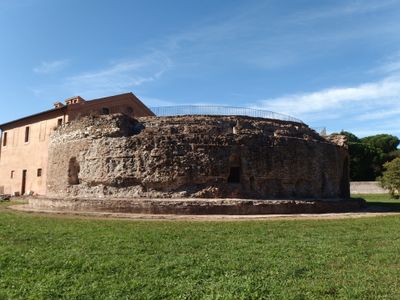
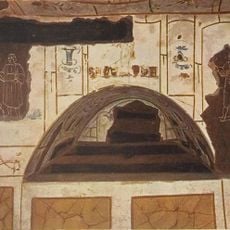
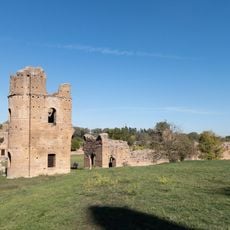
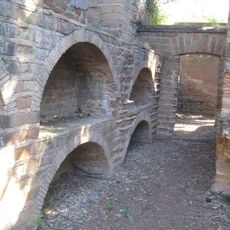
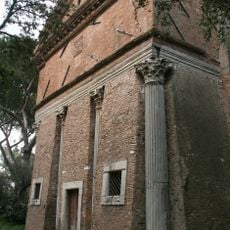
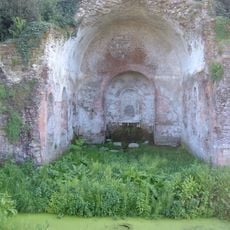
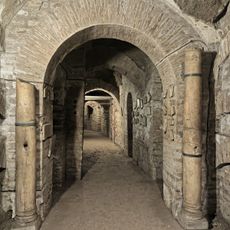
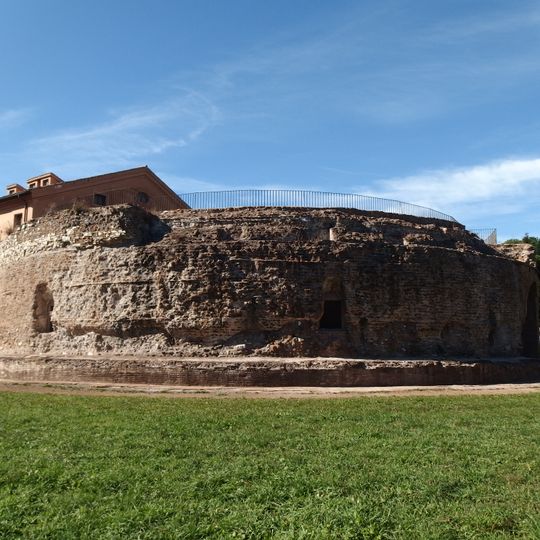
The Mausoleum of Maxentius is a circular funerary structure on the Appian Way with a central octagonal pillar surrounded by a vaulted passageway. The passageway was approximately 23 feet (7 meters) wide and held niches designed for sarcophagi.
Emperor Maxentius built this family tomb between 306 and 312 AD as the burial place for his son Valerius Romulus. The structure originally rose as a two-story rotunda, but only the underground level survives in its complete form today.
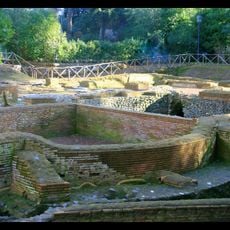
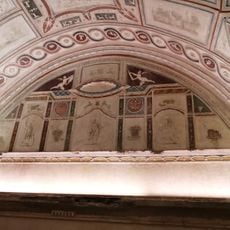
The site reflects Roman burial customs that required tombs to be located beyond city walls near underground burial chambers. Visitors can observe how families marked their status and honored their deceased through the space.
The site is accessible through the Aperti per Voi program, which offers guided tours led by volunteers familiar with the ancient structure. Advance booking is recommended to learn about access times and arrange a guided experience through the underground chambers.
The underground floor plan measures roughly 35 meters in diameter and remains completely intact beneath ground level. This spacious circular design reveals the scale of investment that wealthy emperors made to commemorate their deceased loved ones.
The community of curious travelers
AroundUs brings together thousands of curated places, local tips, and hidden gems, enriched daily by 91,866 contributors worldwide.